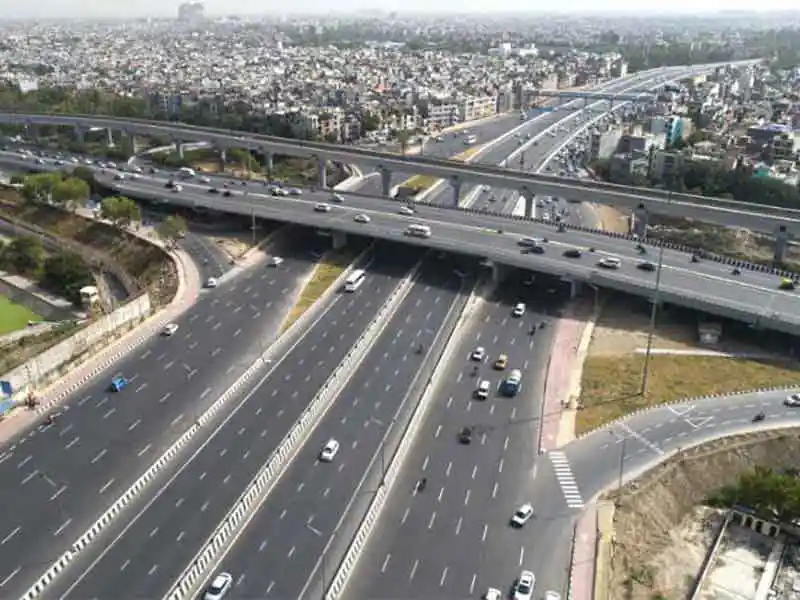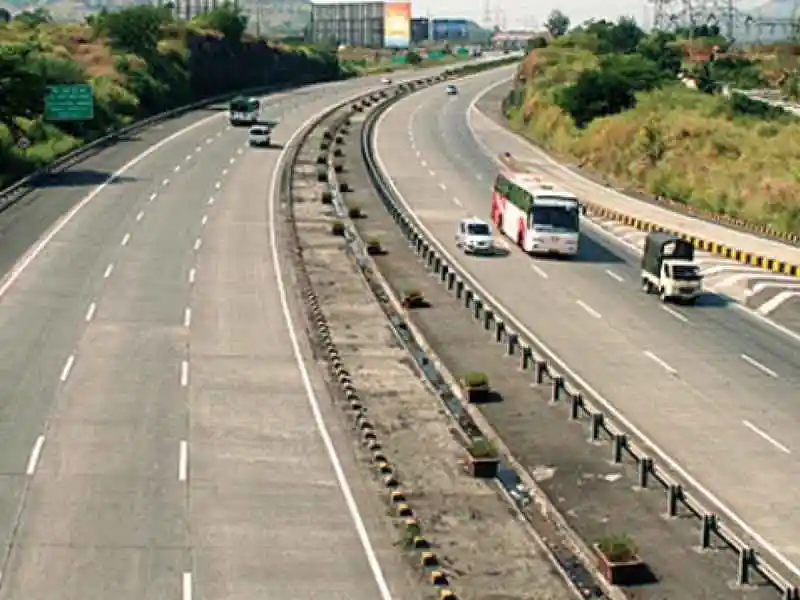

This reduction is achieved by eliminating major urban choke points such as Meerut, Muzaffarnagar, and Roorkee bottlenecks, via elevated corridors, bypasses, and multi-lane express stretches.
Gadkari cited improvements in highway connectivity between Delhi and other cities, noting that travel time between Delhi and Meerut had reduced from around three-and-a-half hours to 40–50 minutes. He also said the Delhi-Dehradun route, which earlier took around seven hours, could now be covered in approximately two hours.
The minister highlighted the role of highway infrastructure in supporting tourism and generating employment. He said improved road connectivity could increase visitor numbers at religious destinations and create economic opportunities for local communities.
On the Char Dham road project, Gadkari said 80–85% of the work had been completed and that traffic from Delhi to religious destinations in Uttarakhand had increased threefold. He also referred to road development projects in Ayodhya and Maharashtra, including the Pandharpur Palkhi Marg, which are intended to improve access for pilgrims and support regional economic activity.