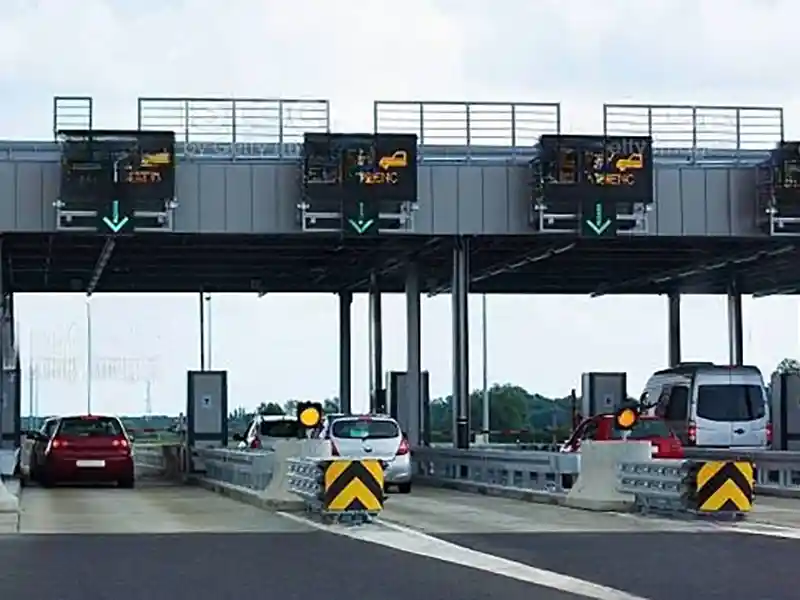

The new section will bypass the Lakhanpur toll plaza, helping motorists save time on the route. Union Minister of State for Science and Technology and Earth Sciences Jitendra Singh shared the update on social media platform X.
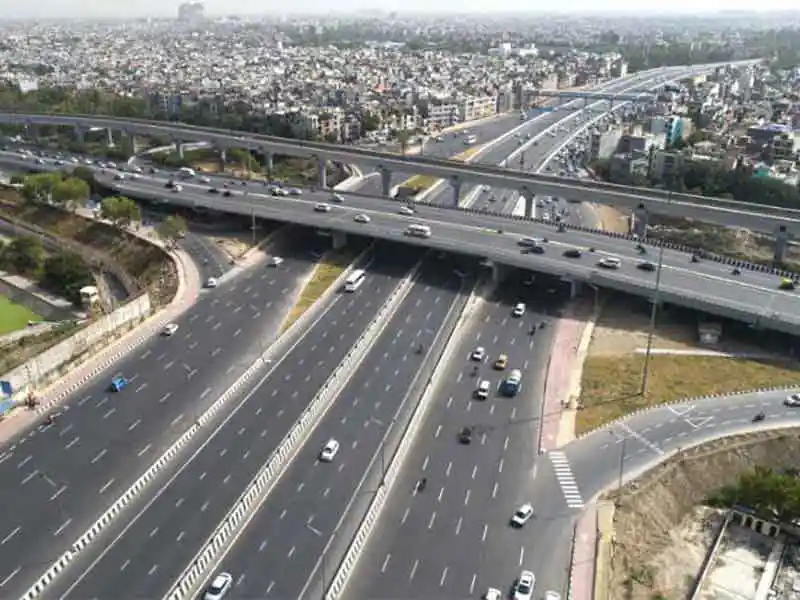
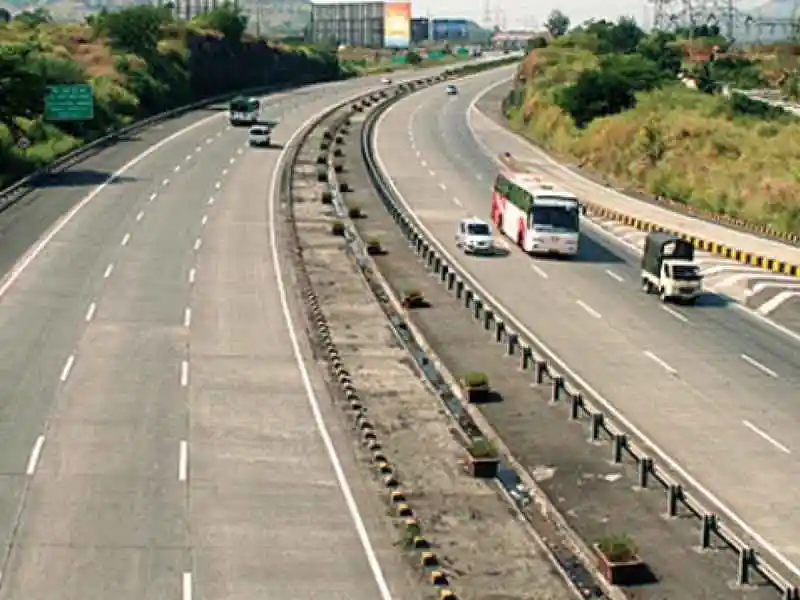
The 669 km Delhi-Amritsar-Katra Expressway is a greenfield infrastructure project being developed at an estimated cost of Rs 40,000 crore. It begins at the Kundli-Manesar-Palwal Expressway and passes through Haryana, Punjab and Jammu and Kashmir. Of the total length, approximately 137 km falls in Haryana, 399 km in Punjab and 135 km in Jammu and Kashmir.
Once fully operational, the expressway is expected to reduce travel time between Delhi and Amritsar to around four hours and between Delhi and Katra to approximately six hours. It will also shorten the Delhi-Katra road distance by 58 km, from the existing 727 km.
In July 2026, a 157.92 km, four-lane, access-controlled section covering Packages 1 to 5 was dedicated to the nation. The section was developed at a cost of approximately Rs 9,680 crore.
The expressway is expected to reduce pressure on National Highway 44 by providing an alternative route for long-distance traffic. Improved connectivity could support smoother movement of passenger and commercial vehicles across the region.
The corridor will also improve road access to important religious destinations, including the Golden Temple in Amritsar and Shri Mata Vaishno Devi shrine in Katra. Other destinations along the wider route include Sultanpur Lodhi, Goindwal Sahib, Khadoor Sahib and Gurdwara Darbar Sahib in Tarn Taran.
The expressway will pass through industrial centres such as Ludhiana, Jalandhar, Patiala, Sangrur, Malerkotla, Kapurthala and Gurdaspur. Better road connectivity is expected to support goods movement between these centres and major markets, benefiting logistics and regional trade.
A key engineering feature of the project is a 1,300-metre cable-stayed bridge over the Beas River, described in the project information as Asia's longest of its kind.
The upcoming Pathankot-Dayalachak section is expected to improve cross-border state connectivity and provide motorists with a faster alternative to the existing route as work on the wider expressway progresses.