
MB Crusher Buckets Boost On-Site Aggregate Production for Hill Road Projects in North India
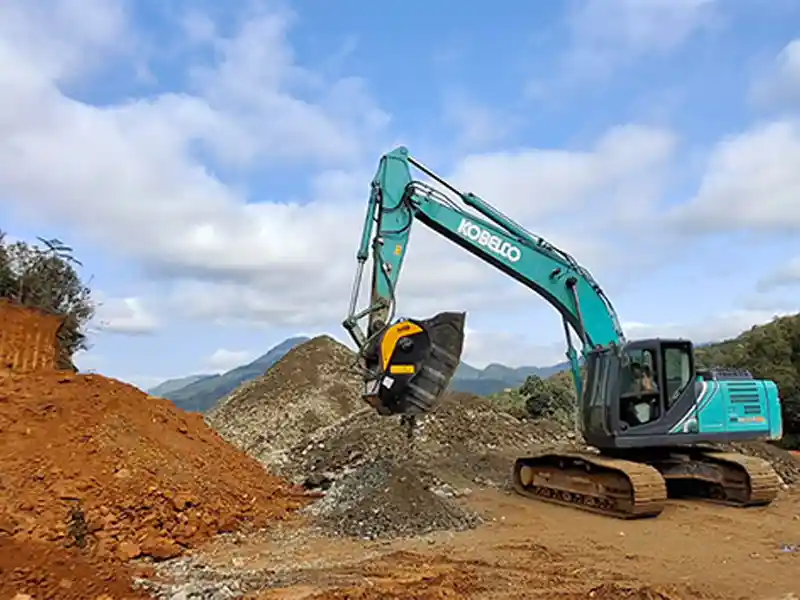
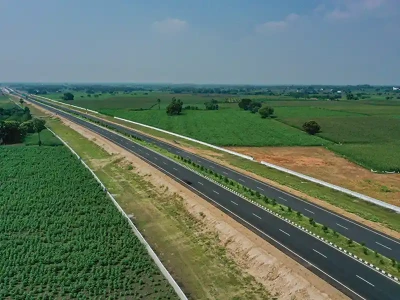
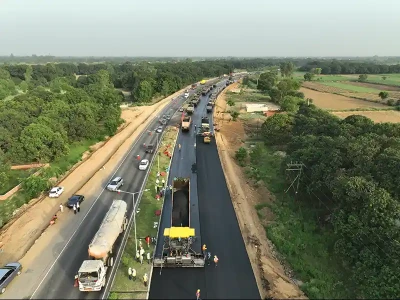
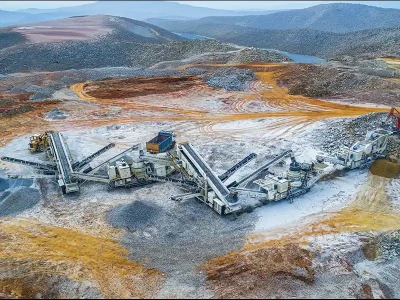
Across several road construction packages in northern hill states, contractors deployed the MB Crusher BF90.3 jaw crusher bucket on 20–23 tonne class excavators to produce aggregates directly at site. These projects featured road alignments of 19 to 26 km and material handling volumes of over 30,000 cubic meters, consisting mainly of hard hill rock and mixed mountain rubble. The ability to crush material on-site reduced transportation requirements, minimized dependence on external quarries and helped maintain productivity in difficult-to-access zones.
Context: Road Building in Difficult Terrain
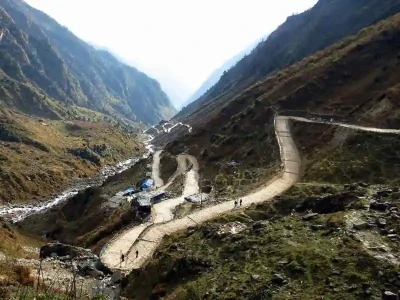
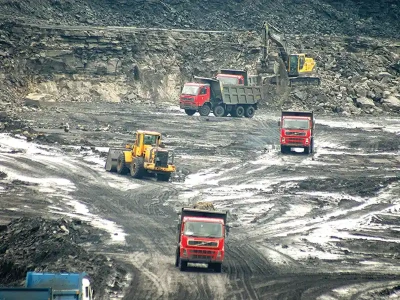
Hill road projects in North India face a unique mix of constraints. Static crushing plants are often located 25–30 km away from project sites, connected through narrow, winding roads with load and movement restrictions. Transporting aggregates under these conditions leads to high diesel consumption, frequent breakdowns, and schedule uncertainty. In several locations, contractors were purchasing aggregates at prices touching ₹1,400 per cubic meter, excluding transport risk and delays.Attempts to use small on-site crushers or mobile plants proved inefficient. Frequent choking, low throughput on hard rock, additional manpower requirements, and limited working space made conventional solutions difficult to sustain.
On-Site Crushing Approach
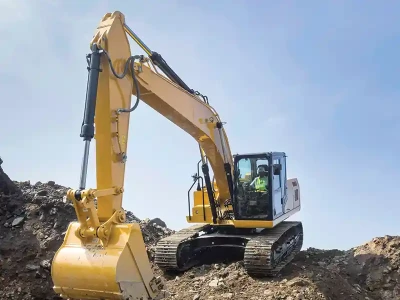
To overcome these challenges, contractors integrated the MB BF90.3 crusher bucket with their existing excavator fleets, including CAT, Komatsu, and Kobelco machines. The attachment was configured to process 250–300 mm hill rock and produce GSB-compliant output sizes below 50–60 mm, suitable for sub-base and road-layer applications.Installation required no civil foundation or permanent setup. Operators were trained on feed control and jaw adjustment, allowing the attachment to be commissioned within days.
Operational Performance
The crusher buckets operated continuously as the road alignment progressed, eliminating the need for aggregate transportation from distant plants.Key operational outcomes observed across the sites included:
- Complete elimination of aggregate haulage from external crushers
- Significant reduction in diesel consumption linked to transport
- Lower manpower deployment, with a single excavator operator managing crushing
- High equipment uptime with minimal stoppages
- Consistent material availability supporting uninterrupted road works
Business Impact
The shift to attachment-based crushing delivered direct business benefits. Contractors achieved tighter cost control, reduced dependency on external suppliers, and improved predictability in execution schedules. Equipment utilization improved as excavators performed dual roles, and projects aligned better with environmental and C&D material reuse expectations increasingly emphasized in public infrastructure works.For road projects in remote or sensitive regions, the approach also reduced traffic movement and site congestion, supporting safer and more compliant operations.
Market Insight
These projects underline a clear trend in Indian hill infrastructure development: on-site aggregate production using excavator-mounted crusher buckets is emerging as a practical alternative to fixed or mobile plants. For contractors working in terrain-constrained environments, this model offers flexibility, faster mobilization, and stronger control over project economics.As road connectivity programs expand into remote geographies, attachment-based crushing is likely to play a growing role in how contractors plan material processing on site.
Published on:
23 January 2026
Share:
We Value Your Comment