
The Ministry of Housing and Urban Affairs (MoHUA) said urban flooding is largely caused by high-intensity rainfall over short durations, with the problem exacerbated by unplanned urbanisation, encroachment of natural water bodies, inadequate sewerage systems and insufficient stormwater drainage infrastructure.
The ministry clarified that pre-monsoon activities such as cleaning and desilting of drains are undertaken by ULBs, and details of funds allocated, released and utilised for these activities are not maintained at the central level.
To strengthen urban flood resilience, MoHUA has issued several policy documents and technical guidelines, including the Urban and Regional Development Plans Formulation and Implementation (URDPFI) Guidelines, the Standard Operating Procedure for Urban Flooding, River-Centric Urban Planning Guidelines, the Guidance Document on Creation of Rainwater Harvesting Parks and the Manual on Storm Water Drainage Systems.
Under the Atal Mission for Rejuvenation and Urban Transformation (AMRUT), launched in 2015, states and Union Territories have undertaken 838 stormwater drainage projects worth Rs 3,022.39 crore to improve drainage infrastructure and reduce urban flooding.
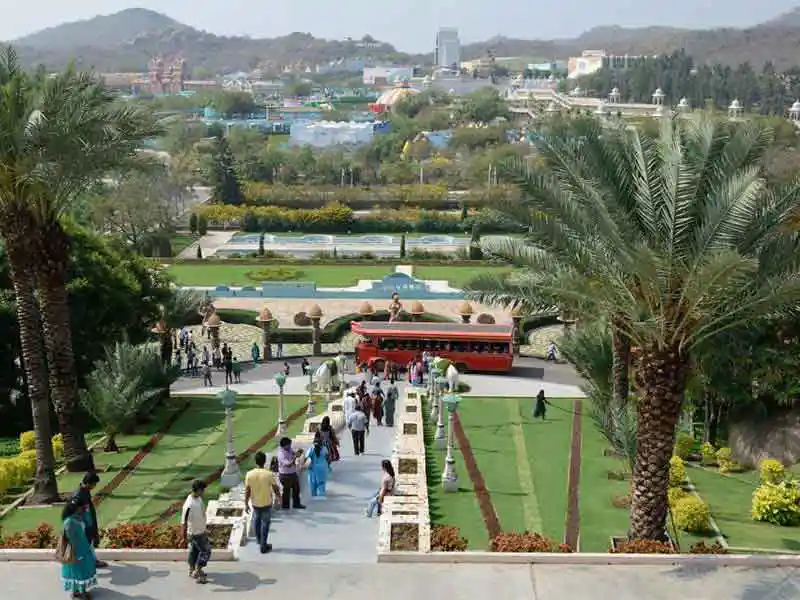
The ministry said 2,522 green space and park projects worth Rs 1,604.13 crore have also been implemented under AMRUT, resulting in the development of around 5,400 acres of permeable green spaces that support groundwater recharge and improve urban water management.
Under AMRUT 2.0, the Centre has approved 2,951 water body rejuvenation projects worth Rs 6,003.34 crore covering approximately 1.21 lakh acres, along with 1,649 green space and park projects worth Rs 1,087.12 crore spanning about 12,750 acres.
In addition, sewerage and septage management projects under AMRUT and AMRUT 2.0 are expected to improve stormwater evacuation by expanding urban sewer networks. Under AMRUT, 888 sewerage and septage projects have been grounded, creating approximately 22,539 km of sewer network, while AMRUT 2.0 includes 605 projects covering an additional 40,021 km of sewer infrastructure.