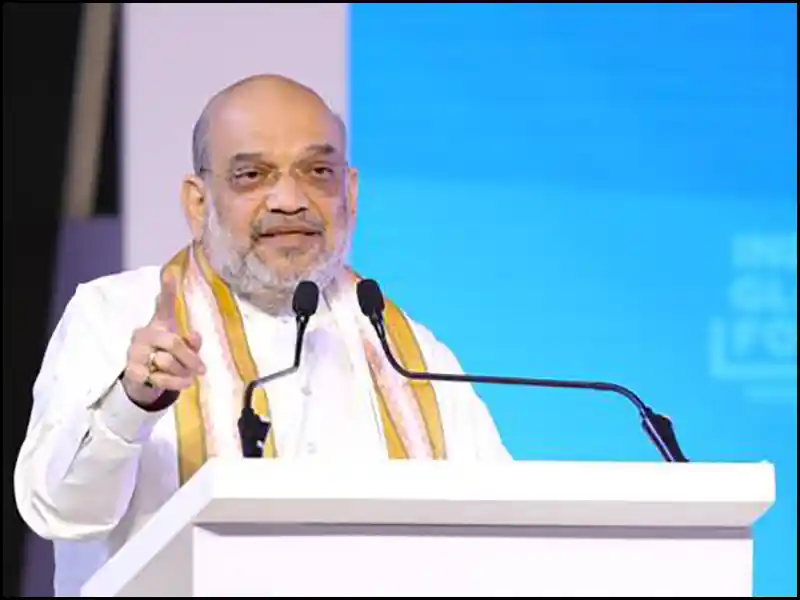

Speaking at the ninth edition of the FICCI Urban Infrastructure and Innovation Summit, Thara said the rapid approvals reflect strong interest in the fund, which aims to accelerate urban infrastructure development through blended financing.
She noted that non-banking financial companies (NBFCs) account for 44% of the financing for the approved projects, while public-private partnerships (PPPs) contribute 22%. Bonds make up 5-7% of the funding, with the remaining share coming from commercial banks.
The financing mix highlights the increasing role of private capital and innovative funding mechanisms in supporting urban infrastructure projects across the country.
Sanjay Kulshrestha, Chairman and Managing Director, HUDCO, noted that cities generate 60 to 70 per cent of India's GDP from barely 3 per cent of its land, and characterised the Urban Challenge Fund as marking a shift from subsidy-based programmes to a challenge-based model. Viability gap funding under the scheme can cover up to 50 per cent of project cost, split evenly between the central and state governments, with the balance to be raised by lenders and private equity.
Jagan Shah, Professor of Practice at IIT Delhi's Transportation Research and Injury Prevention Centre, argued that the private sector, rather than government, should drive the ‘imagination’ behind urban renewal, pointing to local capacity constraints in India's tier-two and tier-three towns.
JVS Ramakrishna, Lead, FICCI Core Group on Urban Development & CEO, ParadigmIT Cybersecurity, framed 2026 as a turning point in which economic activity should be organised around city economic regions rather than municipal boundaries, with success measured by their ability to attract investments, generate employment, foster innovation and create sustainable economic value.
FICCI Director General Jyoti Vij said that urban development now extends well beyond physical infrastructure to governance, technology and finance.