Tunnel safety demands more than compliance—it requires risks to be anticipated, managed and monitored throughout a tunnel’s service life. Drawing on engineering practices and lessons from tunnel incidents, R.K. Dhiman, President, and M. Jain, Tunnelling Expert, Tunnelling Association of India, examine how geotechnical risk assessment, ground control, emergency preparedness and advanced monitoring systems can strengthen safety across the planning, design, construction, operation and maintenance stages of road, railway and metro tunnels.
Abstract
Tunnelling, by its very nature, entails significant inherent risks. Ground collapses, equipment failures, hazardous gas exposure, and flooding are persistent threats that demand the highest safety standards. Tunnel safety demands more than compliance; it requires risks to be anticipated, managed and monitored throughout the life of a tunnel.Tunnel safety is inherently multi-dimensional, encompassing meticulous planning, disciplined construction practices, vigilant operational protocols, and sustained maintenance in alignment with international standards. The safety focus varies by tunnel typology: road tunnels prioritize fire safety, traffic management, and smoke control; rail tunnels integrate advanced train control systems with dedicated evacuation provisions; and metro tunnels address the challenges of large passenger volumes, frequent train movements, and complex station interfaces.
The construction phase translates these protocols into real-time worker protection and hazard mitigation. The operation phase applies intelligent technologies, monitoring systems, and emergency procedures to safeguard users. Finally, the maintenance phase preserves, tests, and enhances safety features to extend resilience over decades. Best practices and innovations including rigorous geotechnical risk assessment, probabilistic hazard analysis, and the deployment of IoT-enabled monitoring and early warning systems demonstrate that modern tunnels can achieve exceptional levels of safety. Nevertheless, lapses during construction in recent projects have highlighted critical gaps. Rescue missions in such cases are time-consuming, resource-intensive, and financially burdensome. To mitigate this, comprehensive training of all personnel, strict enforcement of safety drills, and a culture of procedural discipline must become non-negotiable norms.
Robust emergency response strategies, coupled with frequent disaster simulations, are essential to ensuring preparedness. This paper discusses all critical aspects of tunnel safety spanning conception, design, construction, operation, and maintenance with a particular emphasis on regulatory compliance, skill development, and technological innovation.
Cultivating a safety-first culture within the tunnelling industry requires coordinated efforts across all stakeholders. Stringent regulatory frameworks, rigorously enforced by competent authorities, form the bedrock of a safe working environment.
Introduction
Tunnels represent critical infrastructure for road, rail, and metro systems, but their enclosed geometry poses unique safety challenges. Ensuring safety across the full lifecycle from planning and design through construction, operation, and maintenance is essential not only to safeguard human life but also to protect substantial infrastructure investments. Past high-profile tunnel incidents worldwide have demonstrated the catastrophic consequences of inadequate safety provisions, reinforcing the need for stringent standards, robust design frameworks, and the adoption of international best practices.Planning and DPR Preparation
Early-stage risk identification: Safety was considered at the feasibility and design stages through early risk identification. Effective tunnel safety begins at the planning and feasibility study stage, where rigorous risk assessments form the foundation of design. Comprehensive geotechnical investigations including soil borings, rock sampling, and groundwater analysis are conducted to map subsurface conditions and identify hazards such as fault zones, weak strata, or high groundwater tables.Variability in geological conditions presents significant risks: unexpected soft ground or water ingress can lead to subsidence, collapses, or flooding. Detailed geotechnical surveys, supported by non-invasive methods such as ground-penetrating radar (GPR) and utility mapping, are therefore indispensable. These measures help avoid conflicts with existing underground infrastructure, including water mains, gas lines, and building foundations. Early hazard identification and corresponding design adjustments are proven to significantly enhance both safety outcomes and project reliability.
Regulatory compliance: At the Detailed Project Report (DPR) preparation stage, tunnel projects must demonstrate strict compliance with both local regulations and international safety standards. This includes securing permits, incorporating environmental safeguards, and embedding a comprehensive safety plan within the DPR. The plan must address structural integrity, fire and life safety systems, and emergency egress provisions.
For tunnels exceeding 500 m in length, adherence to international norms such as the NFPA 502 Standard for Road Tunnels or the EU Directive on Minimum Safety Requirements for Tunnels is often mandated. Non-compliance can result in costly delays, regulatory penalties, and reputational risks.
Risk assessment and safety strategy: A formal Safety Management Plan (SMP) is prepared during the planning phase. This involves systematic hazard identification, risk quantification, and the development of mitigation strategies. Worst-case scenarios such as tunnel collapse, fire, or flooding are assessed through methodologies including Fault Tree Analysis (FTA) and probabilistic risk modelling. The outputs inform prescriptive design requirements: for example, increasing lining thickness in weak zones, incorporating explosion-proof ventilation fans in methane-prone areas, or integrating smoke extraction systems for long road tunnels.
Operational safety considerations are also embedded at this stage. Road tunnels must ensure safe traffic flow through adequate lane width, lay-bys, emergency exits, lighting, and signage. Rail and metro tunnels demand safe alignments, clearances to prevent derailments, and the inclusion of walkways, refuge niches, and cross-passages to facilitate evacuation.
Geotechnical Baseline Report (GBR) and cost-safety optimization: One of the most critical planning deliverables is the GBR, which establishes anticipated ground conditions as a contractual and safety reference. A robust GBR reduces disputes over "differing site conditions" by clearly defining geological expectations. Where actual ground conditions deviate unfavorably from the GBR, risks are contractually transferred to the project owner, incentivizing thorough investigation during design.
Well-prepared GBRs and 3D ground models significantly reduce construction risks, safeguard workers safety, and prevent delays. Industry studies confirm that insufficient ground investigation remains a leading cause of cost overruns in tunnelling projects. Cost optimization during planning is therefore achieved not by reducing investigation, but by strategically allocating resources to risk mitigation measures with the highest safety payoff. This includes value engineering of safety features and comparative analysis of design alternatives for risk versus cost efficiency.
Case histories illustrate this principle. In a high-speed rail tunnel near Mumbai, geological conditions closely matched the GBR, facilitating predictable construction outcomes. Conversely, in an eastern India rail project, deviations between actual geology and the GBR led to unanticipated safety and cost challenges, underlining the importance of thorough baseline definition.
DPR sets the safety blueprint for the project by integrating feasibility findings, risk assessment, regulatory compliance, and cost-efficient safety strategies into a coherent, resilient design.
Safety During Construction
Once tunnelling transitions from design to execution, the focus shifts to implementing on-site safety measures to protect workers and ensure structural stability. Tunnel construction remains one of the most hazardous civil engineering activities due to confined spaces, variable ground conditions, and the use of heavy machinery. Safety management during this phase requires a combination of engineering controls, procedural discipline, and continuous monitoring. The principal considerations include maintaining ground stability, mitigating fire and flooding risks, ensuring effective ventilation, and providing robust worker protection and emergency escape provisions.Worker safety and site management: Construction crews work in restricted underground environments where exposure to noise, dust, vibration, and equipment hazards is inevitable. To address these risks, contractors develop a project-specific Health, Safety and Environment (HSE) plan, aligned with international best practices (e.g., ITA-COSUF, OSHA, IS codes). The plan specifies hazard controls, training requirements, and emergency response protocols.
All site personnel undergo mandatory safety induction and periodic refresher training, covering hazard recognition, evacuation drills, and equipment handling. The use of personal protective equipment (PPE) including hard hats, high-visibility clothing, steel-toed boots, gloves, eye protection, and respiratory gear wherever required is strictly enforced.
Daily toolbox talks, weekly safety audits, and incident reporting systems ensure that risks are continuously identified and addressed. Modern tunnelling projects increasingly employ digital safety management systems, including wireless underground communication, personnel tracking via RFID, and real-time environmental sensors for gas detection and air quality monitoring. These measures provide continuous oversight and enable rapid response in case of emergencies.
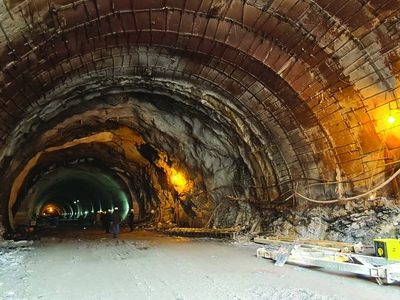
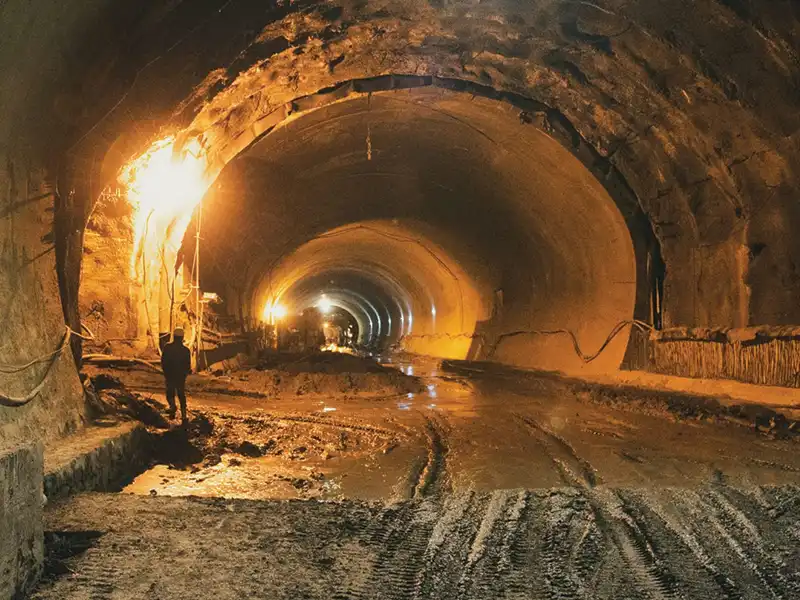
Structural stability and ground control: Ensuring ground stability is a primary safety concern during tunnel excavation. Uncontrolled ground movement can lead to collapses, entrapment of workers, equipment loss, and significant project delays. As excavation progresses, engineers implement immediate ground support measures to stabilize the exposed surfaces. Depending on geology and excavation method, this includes:
- Rock bolts and soil nails to provide local reinforcement.
- Steel ribs, lattice girders, or segmental lining systems for structural support.
- Wire mesh and shotcrete (sprayed concrete) to secure freshly exposed surfaces against rock falls or spalling.
- Systematic monitoring of tunnel convergence, settlement, and deformation through instrumentation (e.g., extensometers, inclinometers, total stations, and automated data loggers).
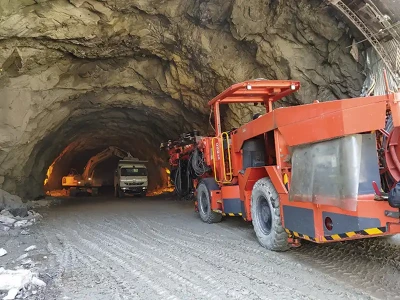
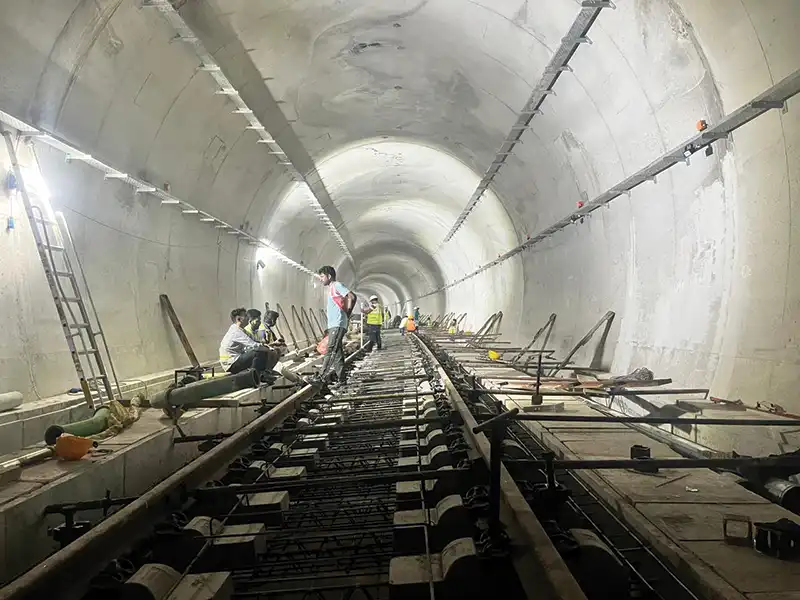
TBM excavation and segmental lining safety: In Tunnel Boring Machine (TBM) excavation, safety is fundamentally governed by controlled machine operation and the immediate installation of ground support. As the TBM advances, precast concrete segmental lining rings are erected directly behind the cutterhead, providing continuous and timely confinement of the excavated ground. This systematic approach limits deformation, controls convergence, and ensures overall tunnel stability throughout the excavation cycle.
A critical element of TBM safety management is systematic geological face mapping conducted at regular intervals. Detailed documentation of lithology, discontinuities, rock mass quality, and groundwater conditions enables early identification of adverse geological features such as faulted zones, weak or fractured strata, cavities, and water-bearing formations. When such conditions are encountered, pre-emptive stabilization measures including fore poling, consolidation grouting, probe drilling, or localized ground treatment are implemented to mitigate risks of collapse, excessive deformation, or uncontrolled inflow.
Tunnel stability is further ensured through continuous geotechnical and structural monitoring. Typical instrumentation includes extensometers to measure ground deformation, laser-based convergence monitoring systems to detect tunnel closure, and seismic or vibration sensors to assess face stability and stress redistribution. Automated data acquisition systems provide real-time feedback and generate early-warning alerts when monitored parameters approach predefined trigger values. Where trigger levels are exceeded, excavation is immediately suspended and the support strategy is reassessed, reinforcing the principle that safety takes precedence over advance rate.
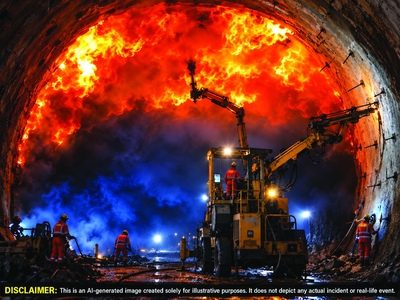
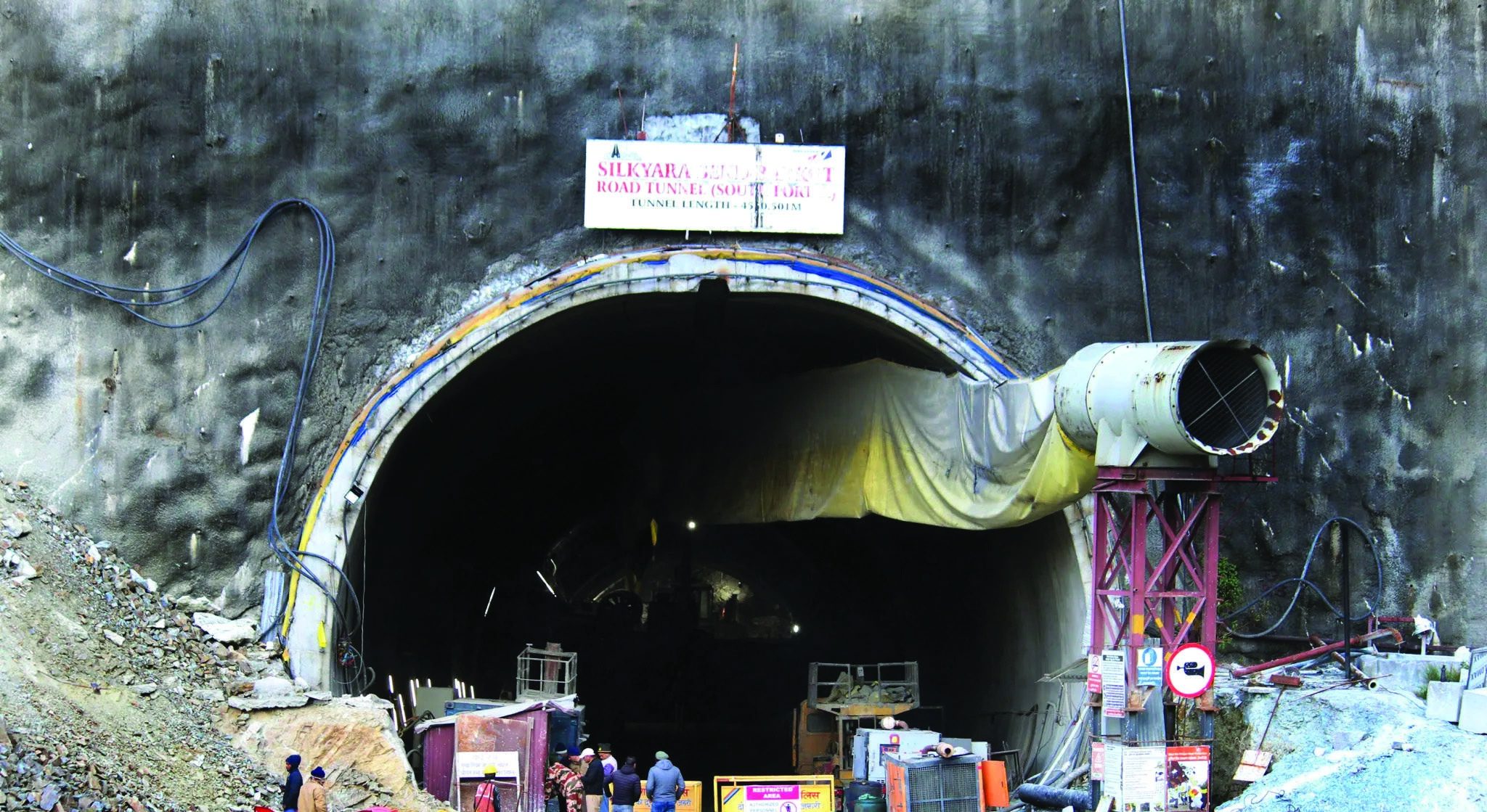
Recent tunnel incidents have underscored the importance of such vigilance. The Silkyara Bend-Barkot tunnel collapse in Uttarakhand (November 2023), which occurred in unstable geological conditions and trapped 41 workers, highlighted the consequences of inadequate ground control in weak rock. Although all personnel were successfully rescued through a coordinated multi-agency effort, post-incident investigations reaffirmed the critical necessity of rigorous geological assessment, continuous monitoring, and strict adherence to safety protocols during tunnelling operations. Subsequent completion of the tunnel under enhanced safety compliance further reinforced these lessons (Refer Figures 1 and 2).
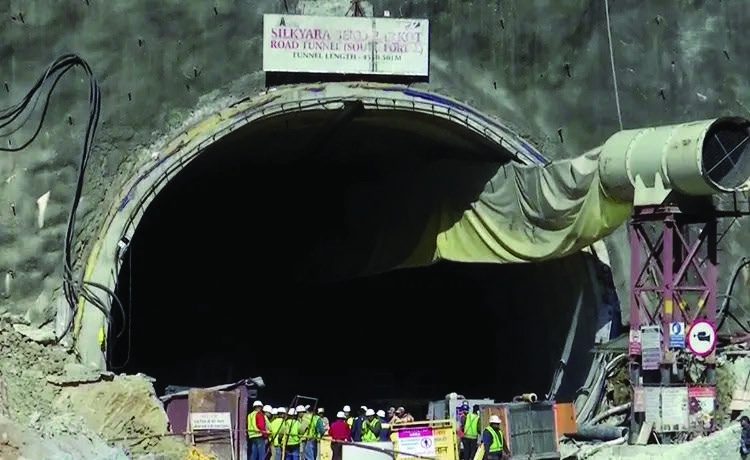 Figure 1: Rescue mission under progress
Similarly, the SLBC Tunnel collapse in Telangana demonstrated that mechanized excavation alone does not eliminate geological risk. Sudden ingress of debris, despite TBM deployment, emphasized the need to integrate predictive ground investigation techniques such as probe drilling and geophysical surveys with real-time TBM monitoring and adaptive support measures. These case experiences collectively demonstrate that effective TBM-driven tunnelling relies not only on advanced machinery but equally on proactive ground prediction, responsive support design, and continuous observational control.
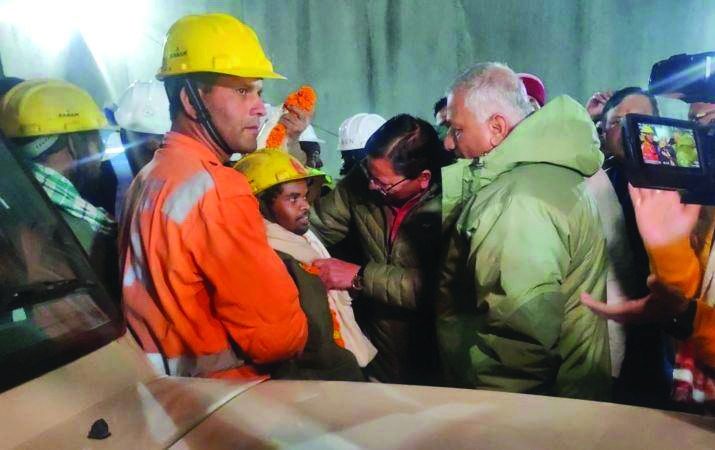 Figure 2. Worker taken out after successful rescue mission at Silkyara
By integrating automated excavation, immediate segmental support, real-time monitoring, and forward-looking geological assessment, modern TBM tunnelling can achieve high levels of safety, reduced downtime, and improved construction efficiency, even under complex and unpredictable ground conditions.
Ventilation and hazardous gas control: Underground construction environments inherently present air quality and hazardous gas challenges. Excavation activities generate dust, diesel fumes from machinery, and may release hazardous gases such as methane (CH4) or carbon monoxide (CO) from soil and rock strata.
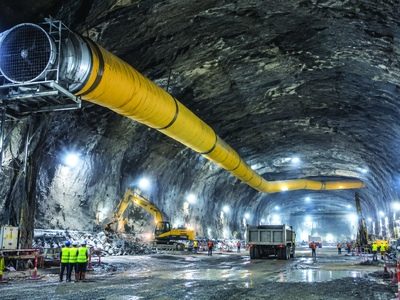
In the absence of effective ventilation, these conditions can lead to worker asphyxiation, poisoning, or explosive hazards. To mitigate these risks, a positive ventilation system is installed from the outset of construction. High-capacity axial or jet fans deliver fresh air to the tunnel face and extract stale air, often through dedicated ventilation ducts extending to the excavation front. This continuous airflow not only supplies breathable air but also dilutes and removes airborne dust and exhaust gases, thereby maintaining safe working conditions.
Air quality monitoring is integral to ventilation control. Sensors installed throughout the tunnel measure oxygen concentration, toxic gas levels, and dust concentration in real time. These systems are typically linked to automated control units that trigger alarms and adjust ventilation rates when hazardous conditions are detected such as sudden methane ingress or low oxygen levels allowing for immediate evacuation and remediation.
Fire prevention and protection: Fire represents one of the most severe hazards during tunnel construction due to confined spaces and limited escape routes. Potential ignition sources include construction machinery, electrical systems, and explosives. Preventive measures therefore include strict no-smoking policies, control of ignition sources, and rigorous maintenance to prevent fuel or hydraulic oil leaks. Where practicable, fire-resistant hydraulic fluids, cables, and construction materials are adopted to reduce fire load.
Fire-protection provisions typically include portable fire extinguishers at regular intervals, fire hoses or water pipelines, and fixed suppression systems such as sprinklers or foam units in high-risk areas including fuel storage zones. All major equipment, including TBMs, is fitted with onboard fire-suppression systems. Workers receive training in basic firefighting and emergency response procedures.
In the event of a fire, rapid evacuation is critical. Emergency drills ensure personnel are familiar with escape routes and muster points, while portals, adits, and interim shafts serve as emergency exits and are kept continuously accessible. Large projects may provide underground rescue chambers or havens with independent fresh-air supply for situations where evacuation is temporarily obstructed. Alarm and gas-monitoring systems provide early warning to trigger immediate evacuation. Historic incidents such as the 1999 Mont Blanc Tunnel fire have reinforced the importance of regular drills and robust fire preparedness, even during the construction phase.
Emergency escape provisions: Unlike open-air construction, underground works have inherently limited egress options; therefore, the planning and maintenance of emergency escape routes is a critical construction-phase requirement. In short tunnels, the entry portal may serve as the primary escape route, whereas longer tunnels typically require intermediate shafts or adits to reduce evacuation distances. Where excavation proceeds from multiple faces, portals and adits function as alternative emergency exits for personnel working in each heading.
For extended tunnels, temporary refuge bays or cross-passages between parallel headings are provided to enable safe relocation in the event of an incident. Adequate emergency lighting, illuminated exit signage, and directional markers are installed to guide personnel during conditions of darkness or smoke. Regulatory frameworks such as OSHA mandate the provision of self-rescue devices and the availability of trained rescue teams. Accordingly, many projects deploy dedicated tunnel or mine rescue crews, either on-site or on standby, equipped to operate in smoke-filled environments.
Reliable communication systems, including fixed telephones and radio repeaters, are integrated to ensure immediate contact with the surface during emergencies. Regular emergency drills involving workers and local emergency services are conducted to familiarize responders with tunnel layouts, access points, and rescue procedures. Collectively, these overlapping measures ground support, ventilation, fire protection, communication, and evacuation planning have significantly reduced accident rates compared to historical tunnelling practice.
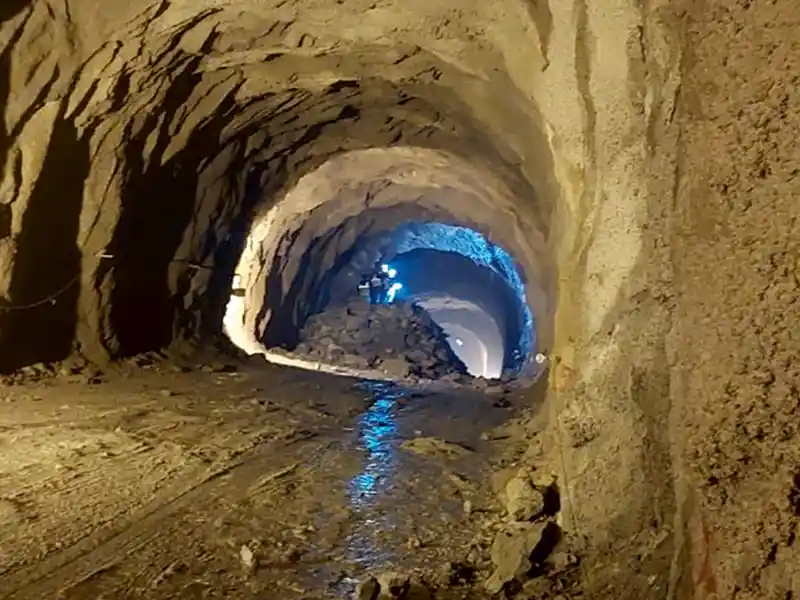
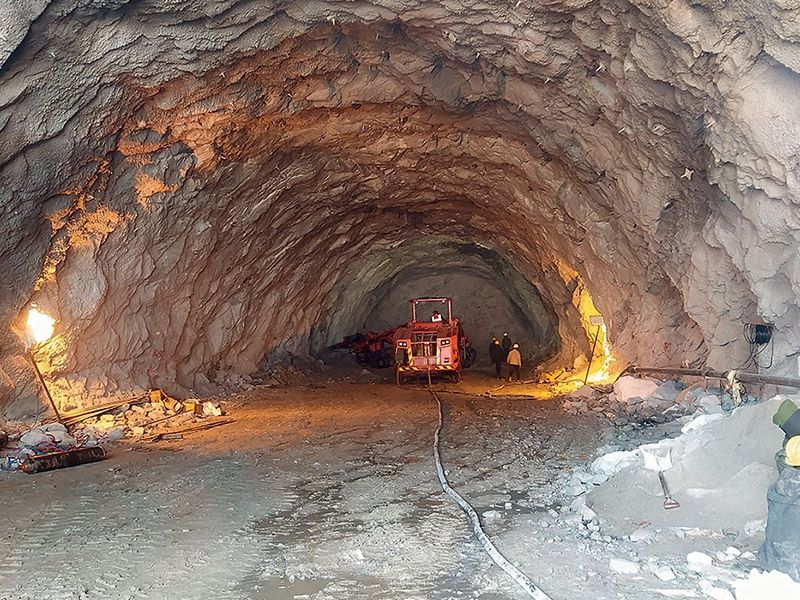
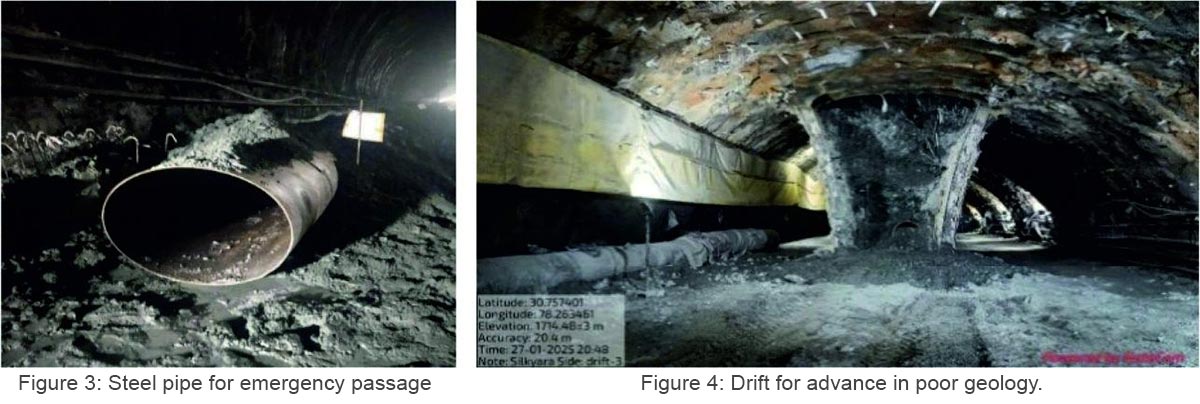
In addition to modern mechanization and automation, recent experience, such as the Silkyara rescue mission, has demonstrated the importance of providing emergency escape passages using steel or Hume pipes of approximately 1 m diameter. Under poor ground conditions, cautious advancement through pilot drifts further enhances personnel safety (Refer Figures 3 & 4).
Operation and Maintenance
Once a tunnel is constructed and opened to traffic or trains, maintaining a high level of safety is an ongoing process. Operational safety involves real-time systems and procedures to prevent accidents and respond to emergencies, while maintenance ensures that the tunnel's structure and equipment remain in safe working order throughout its service life. Road, rail, and metro tunnels each have specific operational considerations, but they share common safety strategies such as continuous monitoring, ventilation management, emergency preparedness, and periodic inspections.Traffic and train operations: During operation, managing the movement of vehicles or trains through the tunnel, safely is paramount. Road tunnels use traffic control devices (signals, variable message signs, speed controls) to regulate vehicle flow and reduce collision risks. Operators may impose speed limits and safe following distances; in some cases, automatic incident detection cameras will alert the control centre to stop vehicles or congestion so they can intervene (e.g. by closing entrance gates to prevent pileups).
Hazardous goods transport is often restricted or requires special permits in road tunnels due to fire and explosion risk. For rail and metro tunnels, operational safety is maintained by signaling systems and train control. Modern metros use automated train control to maintain safe spacing and speed.
Monitoring systems and tunnel control centers: Almost all major operational tunnels are equipped with integrated monitoring, surveillance, and control systems linked to a centralized control room. Continuous CCTV coverage enables real-time detection of incidents such as vehicle breakdowns, obstructions, or unauthorized access. Fire detection is provided through smoke detectors and linear heat detection cables installed along the tunnel crown, allowing rapid identification and localization of fire events. For road tunnels, air-quality sensors monitor carbon monoxide concentration and visibility, automatically triggering ventilation when predefined thresholds are exceeded.
Communication systems are a critical component of tunnel safety. In road tunnels, radio rebroadcast systems allow emergency messages to be transmitted directly to drivers, supplemented by public address systems and emergency telephones installed at regular intervals for direct contact with the control centre. In rail and metro tunnels, operators maintain continuous communication with train drivers, while station announcements and tunnel loudspeakers are used for passenger information during incidents.
All subsystems are integrated through a SCADA-based control architecture, enabling operators to monitor conditions and initiate predefined response scenarios. The Channel Tunnel between the UK and France exemplifies this approach, with tens of thousands of sensors monitoring ventilation, fire safety, train operations, and intrusion detection. The service tunnel is maintained under positive pressure to prevent smoke ingress during a fire, a function continuously regulated through pressure sensors and automated controls.
Such "smart tunnel" systems are now standard practice, enabling rapid operator intervention, remote activation of safety systems, traffic or train control, and clear communication with users to ensure effective incident management and life safety.
Emergency egress and response preparedness: Ensuring long-term tunnel safety requires systematic inspection, monitoring, and maintenance of structural and operational systems. Periodic inspections, similar to bridge management programs, cover tunnel linings, drainage, ventilation, lighting, and fire-life safety installations. Identified defects such as cracking, spalling, or water ingress are recorded and prioritized, as minor deficiencies can escalate into structural or operational risks if left unaddressed.
Modern tunnels increasingly adopt structural health monitoring, using embedded sensors and periodic LiDAR surveys to detect deformation trends over time, particularly in urban or seismically sensitive environments. Routine maintenance includes cleaning, testing of emergency systems, scheduled operation of ventilation fans, backup power supplies, and upkeep of drainage and pumping systems. For metro tunnels, track and power rail inspections and verification of smoke extraction systems are integral.
Condition-based maintenance, supported by IoT-enabled monitoring of assets such as jet fans and pumps, allows early fault detection through analysis of temperature, vibration, and runtime data. This approach reduces unplanned failures, enhances safety, and optimizes asset life.
Maintenance and inspections: Ensuring ongoing tunnel safety requires diligent maintenance of all structural and system elements. Our regulations often mandate periodic inspections of tunnels like bridge inspection programs. These inspections cover the tunnel lining including cracks, spalling, and water leakage; the roadway or track; drainage systems, ventilation fans, lighting, fire alarms, extinguishers, and more. Any defects are recorded and prioritized for repair. A small issue such as water leakage, if left unaddressed, can worsen and compromise structural integrity or electrical systems.
Structural health monitoring is also utilized in many tunnels. Embedded sensors (strain gauges, tilt meters) or periodic LiDAR scans detect subtle movements or deformation of the tunnel lining over time, which could indicate problems. If a tunnel passes under a busy city, for example, continual monitoring ensures it isn't being affected by new construction or seismic activity. Maintenance crews perform tasks like cleaning the tunnel to remove exhaust soot which can reduce visibility and corrode fixtures, testing emergency systems monthly test of emergency lights, quarterly full-scale fan test and servicing mechanical components. Ventilation fans and backup generators are run on a schedule to verify that they will function in an emergency. Pumps for sumps to remove water ingress are also critical to keep operational, lest flooding occurs.
For metro tunnels, maintenance includes track inspection and ensuring the power rail is in good condition, as well as checking that station smoke extraction systems are functional. Predictive maintenance is an emerging approach where data from sensors is used to predict when equipment will fail or needs service, rather than on a fixed schedule. IoT technology now enables tunnels to continuously track the condition of assets like jet fans, lighting, and pumps.
By analysing temperature, vibration, or runtime data, the system can predict potential failures before they occur, allowing maintenance to be performed just in time This condition-based maintenance prevents unexpected breakdowns which could be safety-critical, like a fan failing during a fire and can extend the life of components by avoiding unnecessary over-maintenance.
Conclusion
Tunnel safety is a multi-faceted endeavour that encompasses careful planning, disciplined construction practices, vigilant operations, and proactive maintenance, all underpinned by regulatory standards. The focus of safety differs across tunnel types: road tunnels require heightened emphasis on fire safety, ventilation, and traffic management due to vehicle fuels and high traffic volumes; rail tunnels prioritise integration of train control systems and dedicated evacuation provisions; while metro tunnels address the complexities of managing large passenger volumes, frequent train movements, and station interfaces.Each phase of the tunnel lifecycle imposes distinct safety responsibilities. The planning phase sets the safety blueprint through regulatory compliance, comprehensive geotechnical risk assessment, and design adaptation to anticipated hazards. The construction phase translates these safety requirements into practical measures to protect workers and maintain structural stability. The operation phase leverages advanced technologies, monitoring systems, and protocols to safeguard users, while the maintenance phase preserves and enhances safety features over the long service life of the tunnel.
By adopting best practices and innovations, from rigorous geotechnical baseline investigations to state-of-the-art IoT-enabled monitoring systems, agencies can ensure tunnels remain among the safest modes of transport. Balancing safety with cost clearly shows that investment in tunnel safety is not only an ethical necessity but also an economic imperative. Preventing catastrophic failures mitigates enormous costs, safeguards human life, and sustains public confidence in these vital infrastructures. With thoughtful planning, adaptive engineering, and modern technology, today's road, rail, and metro tunnels can achieve safety levels that far surpass those of previous decades, making underground travel safer and more reliable than ever before.
References
- Bureau of Indian Standards. (n.d.). JS 4756: Safety code for tunnelling work. BIS.
- Bureau of Indian Standards. (n.d.). JS 5878: Code of practice for construction of tunnels. BIS.
- European Parliament & Council of the European Union. (2004). Directive 2004/54/EC on minimum safety requirements for tunnels in the Trans- European Road network. Official Journal of the European Union.
- French Ministry of Interior, & Italian Ministry of Public Works. (1999). Joint report of the administrative commissions of enquiry into the Mont Blanc Tunnel fire of24 March 1999.
- Tnternational Tunnelling and Underground Space Association (TTA-COSUF). (n.d.). Publications on operational safety of underground facilities. ITA-AITES.
- Ministry of Home Affairs. (2025). Situation report of tunnel collapse incident in Telangana dated 07 April 2025. Government of India.
- National Disaster Management Institute. (n.d.). Lessons learnt from Silkyara and other tunnel collapse incidents. NIDM, New Delhi.
- National Fire Protection Association. (2023). NFPA 502: Standard for road tunnels, bridges, and other limited access highways. NFPA.
- Tolia Academy of Public Administration R. S. (2023). Silkyara tunnel section collapse: A case study.
About the Authors:
Er. Mukesh Jain* is an eminent civil engineer and tunnelling professional who served BRO for over 32 years. Associated with Himalayan tunnel planning, he contributes extensive field experience to strategic infrastructure development. He serve as member of , the IRC H-10 Committee, and as Chief Consultant, Programme Monitoring Unit, Ministry of Home Affairs, inspiring young engineers nationwide.Er. R. K. Dhiman, ADG (Retd.), AVSM, VSM*, is a distinguished engineer of Border Roads Organisation and has extensive experience in strategic infrastructure development, he has contributed to challenging road, bridge and tunnel projects in the Himalayan region. He is associated with pioneering work on bouldery-bed scour and bridge engineering.As a president of TAI tunnel safety cost optimization is his thrust area.