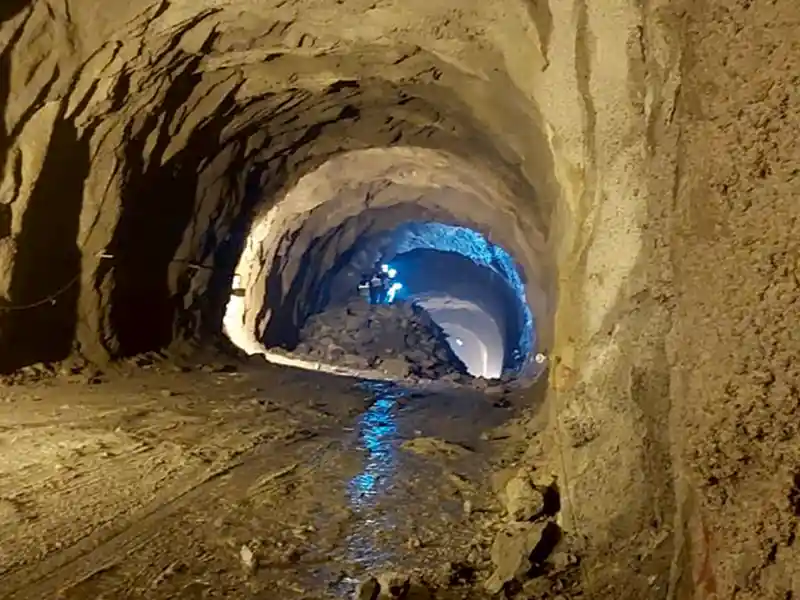
Construction of Tunnel T-49A on Dharam – Qazigund Section of USBRL Project in Highly Adverse Geological Conditions : A Case Study

tunnel-t-49
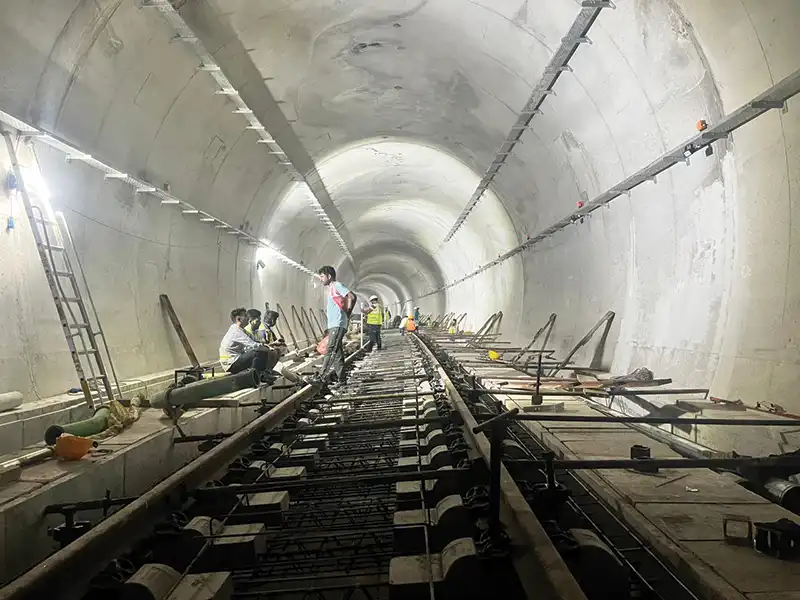
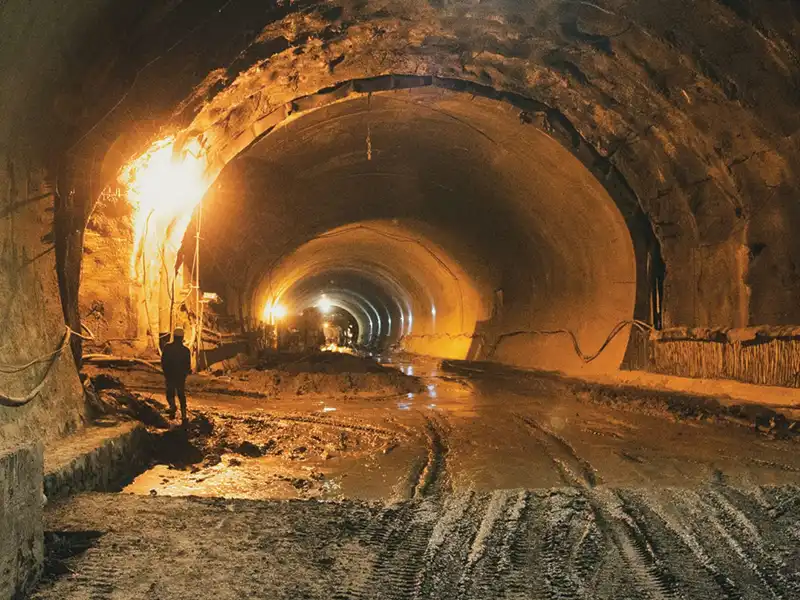
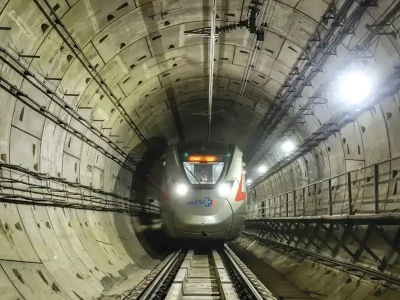
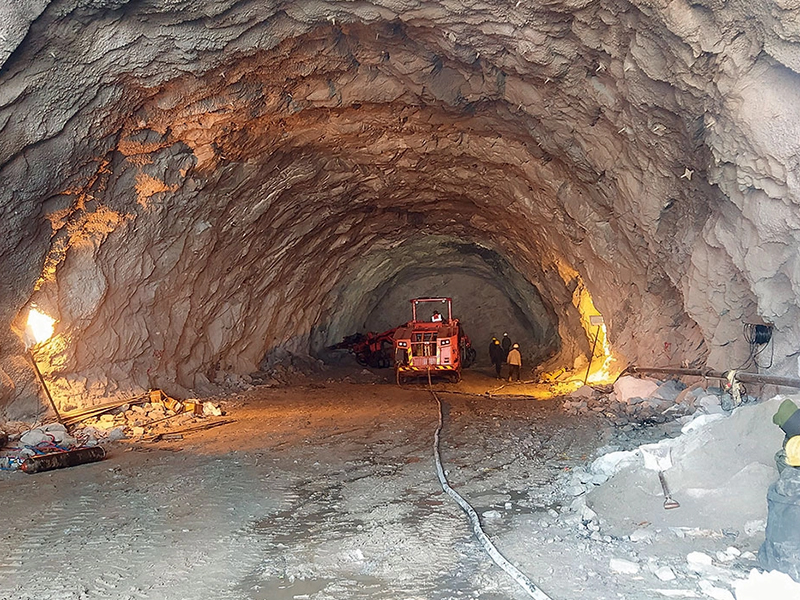
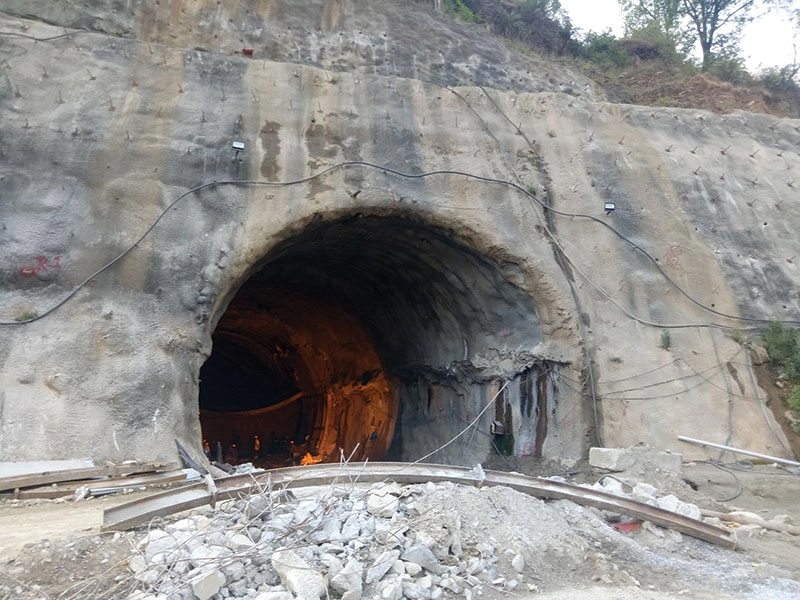
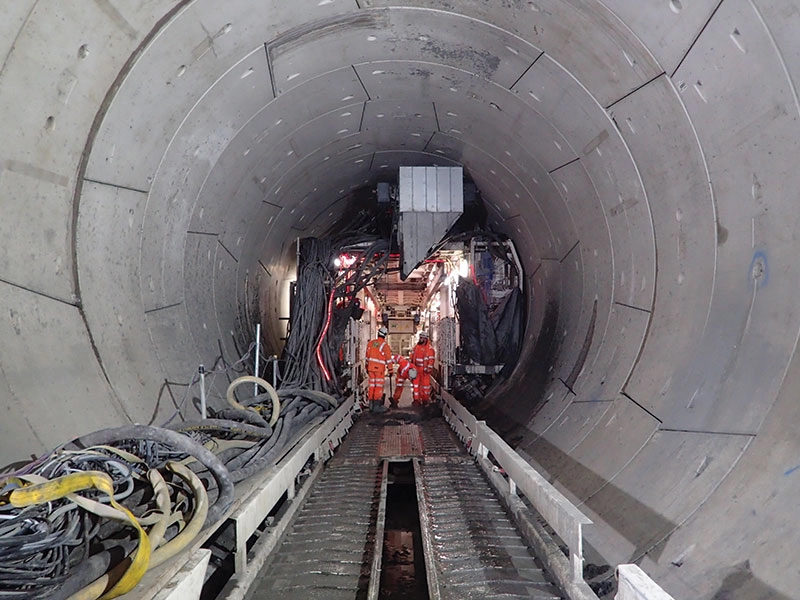
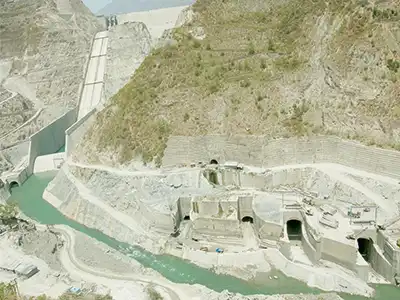
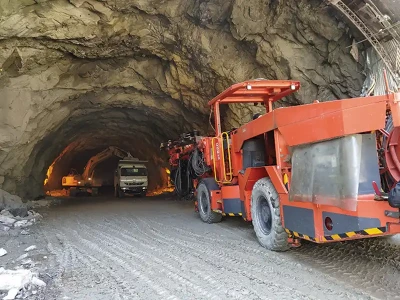
A number of challenging tunnelling projects are under-construction, connecting significant though remote places to the rest of the country. In the heart of the Himalayas, where geology tests engineering to its limits, the construction of Tunnel T-49A under the Udhampur–Srinagar–Baramulla Rail Link Project (USBRL) stands as a testament to innovation, perseverance, and teamwork. Dr. R.K. Khali, Vice President Operations-Tunnel & UG Works, G R Infraprojects, and Sharanappa Yalal, Cluster Head, J&K, Hindustan Construction Company, share firsthand insights into overcoming extreme geological challenges, pioneering solutions like the introduction of an additional adit, and ensuring timely delivery of this project of national importance. The article details the planning process, highlights the execution challenges, the innovations, simultaneous working of various activities, and the extremely poor road conditions. Overcoming all these obstacles, the project’s supply-chain management was key to its success.

With the intent to ease the day–to-day life of the people of Jammu and Kashmir and to connect them through a railway network to the world outside the valley, it became necessary to create a passage through the mountains. Hence, the Indian Railways decided to implement the most economic rail linking project, officially known as the Udhampur Srinagar Baramulla Rail Link Project (USBRL), in which the entire track passes through an insurmountably adverse Himalayan geology. About 70% of the track is covered by a series of tunnels between Udhampur and Qazigund, with lengths ranging from a few hundred meters to 12.78 kms.
📅 Published on: 07 November 2025
📖 Published in: NBM&CW NOVEMBER 2025
🔗 Share:
We Value Your Comment
How useful is this information?

NBM Media

30+ years of reporting on infrastructure, construction, architecture, & real estate across print, digital, and social media.