Design and Construction of Low Overburden High-Speed Rail Tunnel in India

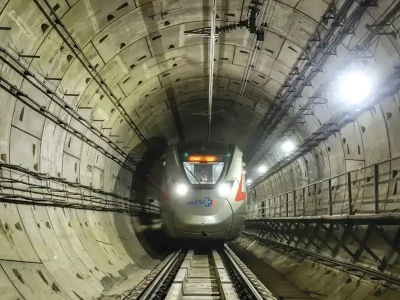
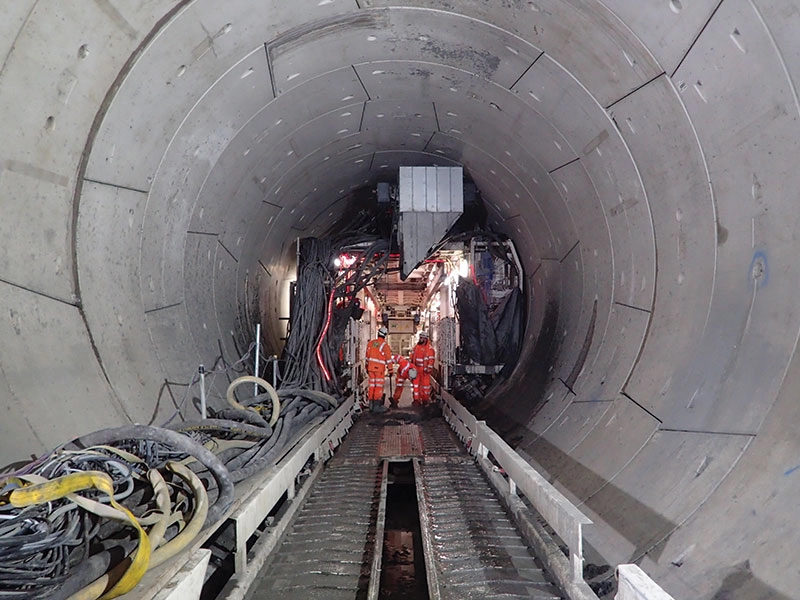
Uday Prasad Singh, Principal Chief Project Manager, Mumbai, Krishan Singh, Deputy Chief Project Manager-Civil, and Animesh Sharma, Assistant Manager-Civil, National High-Speed Rail Corporation Ltd., detail the design and construction of a large-diameter tunnel beneath a very low overburden under existing major utilities, including water and gas pipelines and an operational road, for India’s first High-Speed Rail Project.
High-Speed-Rail-tunnel
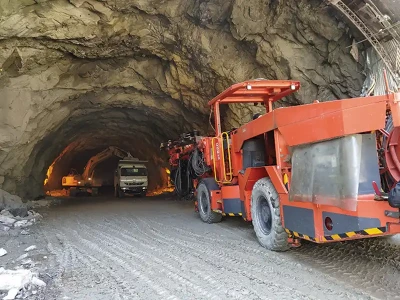
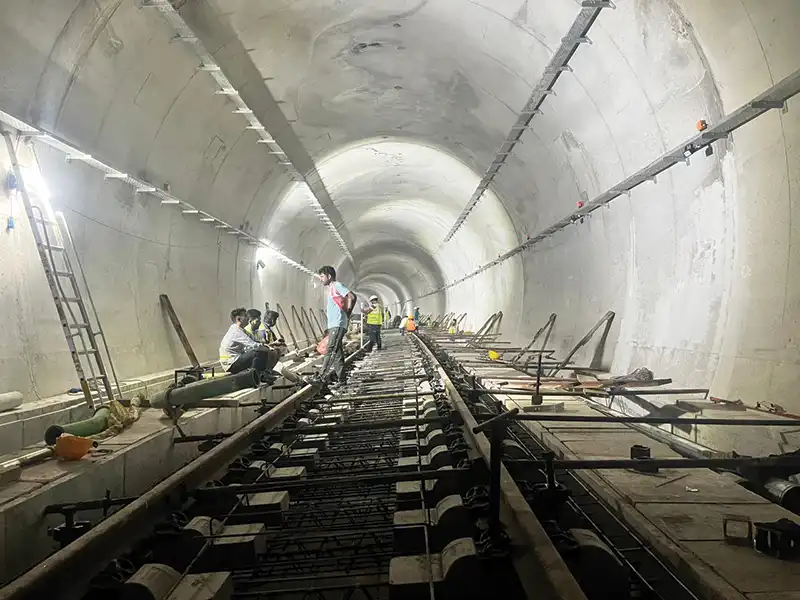
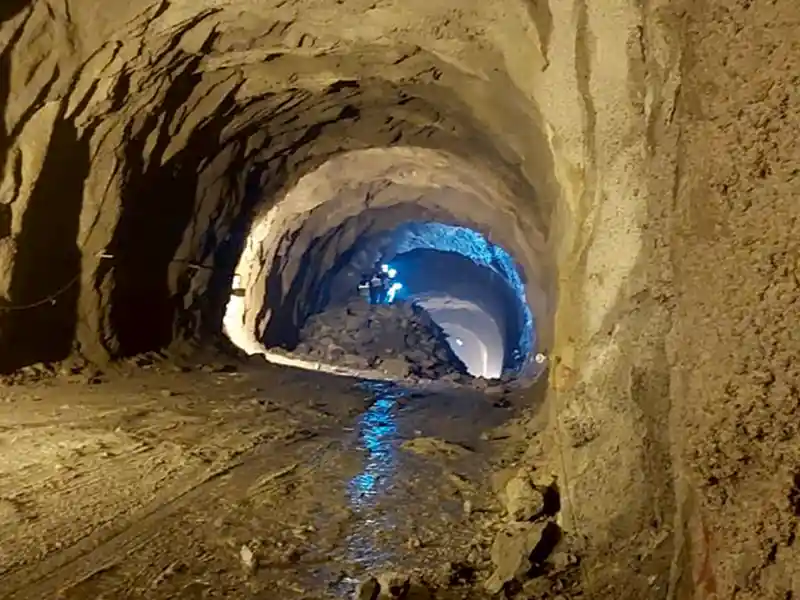
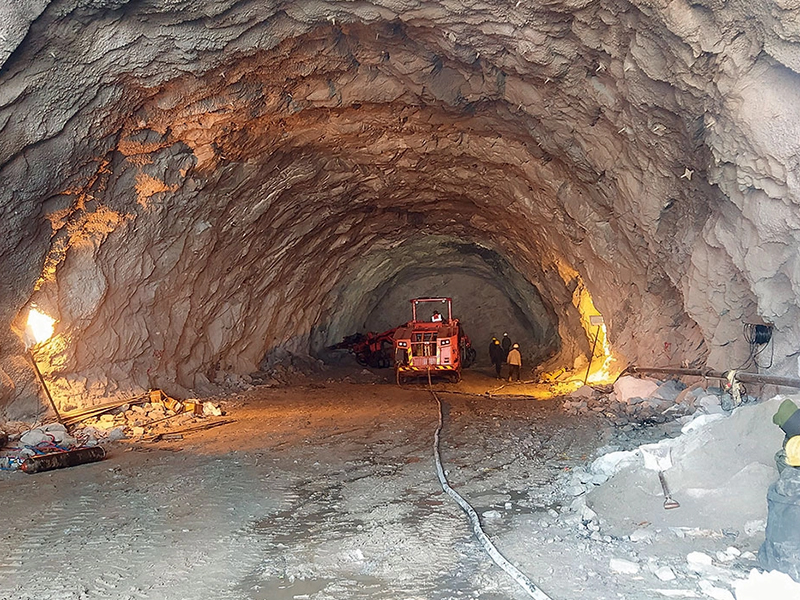
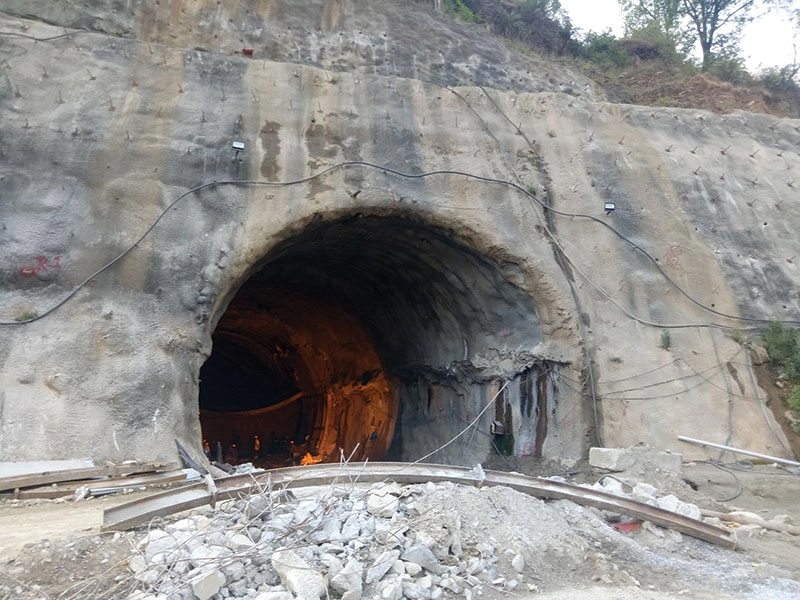
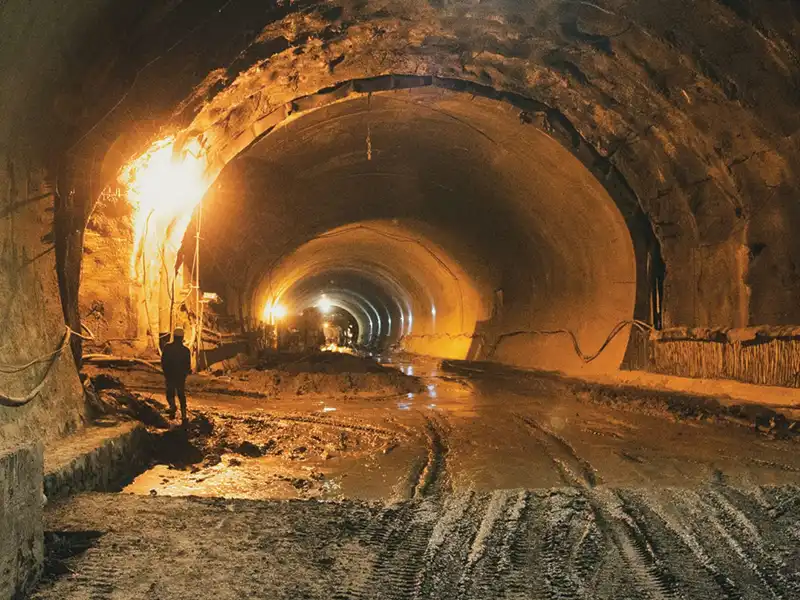
The design and construction of shallow tunnels is a challenging aspect of urban tunnel construction. The current study details the design and construction of a large-diameter tunnel underneath a very low overburden beneath existing major utilities, including water and gas pipelines and an operational road, for India’s first High-Speed Rail Project. The study elaborates on the aspects of design and construction undertaken using the New Austrian Tunneling Method (NATM), along with the pre-support measures considered. The study details the design aspects associated with tunnel stability, both without and with pre-support measures, using the project case study of the Mumbai–Ahmedabad High-Speed Rail Project. The study further validates the findings and compares them with field observations. Based on the undertaken analysis, the study confirms and demonstrates the application of NATM with the umbrella arch method for large-diameter tunneling in shallow ground conditions.

📅 Published on: 14 May 2026
📖 Published in: NBM&CW MAY 2026
🔗 Share:
We Value Your Comment
How useful is this information?

NBM Media

30+ years of reporting on infrastructure, construction, architecture, & real estate across print, digital, and social media.