
NHAI Inks MoU with Norwegian Geotechnical Institute for Consultancy Support in Tunnel Engineering, Slope Stability & Capacity Building
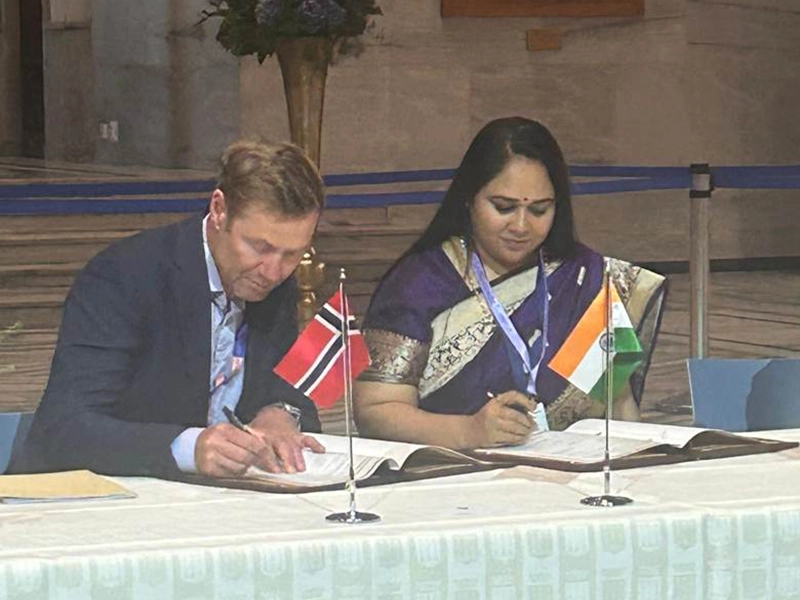
The MoU aims to leverage advanced international expertise to support planning, design, assessment and monitoring of critical infrastructure projects in the areas of tunnel construction, slope stability analysis, monitoring of slopes as well as institutional capacity building. Under the MoU, NGI will provide various consultancy services that include site characterization for tunnel projects, preparation of feasibility studies and Detailed Project Reports (DPRs) for upcoming tunnel projects, structural assessment and safety audits of operational tunnels as well as advanced slope stability assessments for identifying potential hazards and recommending suitable mitigation measures. The collaboration will also include analysis and interpretation of InSAR data for slopes and development of early warning systems aimed at improving infrastructure safety.
In addition, the MoU emphasizes institutional capacity building and knowledge exchange. Both organizations will collaborate on research and development initiatives related to reduction of natural hazards. The highway sector's technical capabilities will be scaled up through joint workshops, seminars, technical training programs, and the publication of specialized technical literature.
While both organizations will endeavor to work together in the identified areas, the arrangement remains non-exclusive, and on a project-to-project basis allowing each party the flexibility to independently collaborate with other organizations as required. The MoU shall remain valid for a period of five years.
The collaboration between NHAI and NGI will strengthen technical capabilities in the development of safe, sustainable and world-class National Highway infrastructure. The partnership also reflects the growing cooperation between India and Norway in the field of infrastructure development, technology exchange, and sustainable engineering practices, further deepening bilateral ties and promoting long-term institutional collaboration.
Published on:
25 May 2026
Share:
We Value Your Comment