The current phase of economic slowdown and novel coronavirus—Covid-19- spreading to nearly 200 countries, including India, is keeping everyone on edge. Going by the reports both from the formal as well as informal sectors of Indian economy - trade, commerce, business and infra sector- have been ravaged by these events, resulting in economic, trade and business disruptions, affecting the supply chains, leading to a slump and forcing these sectors to scale down their operations and concentrate on containing these developments. The government has finalized plans to provide fiscal stimulus to jumpstart these sectors. It is indeed an irony that when the core sector growth was picking up, Covid-19 has dashed all hopes of an early economic recovery.
Highway Sector
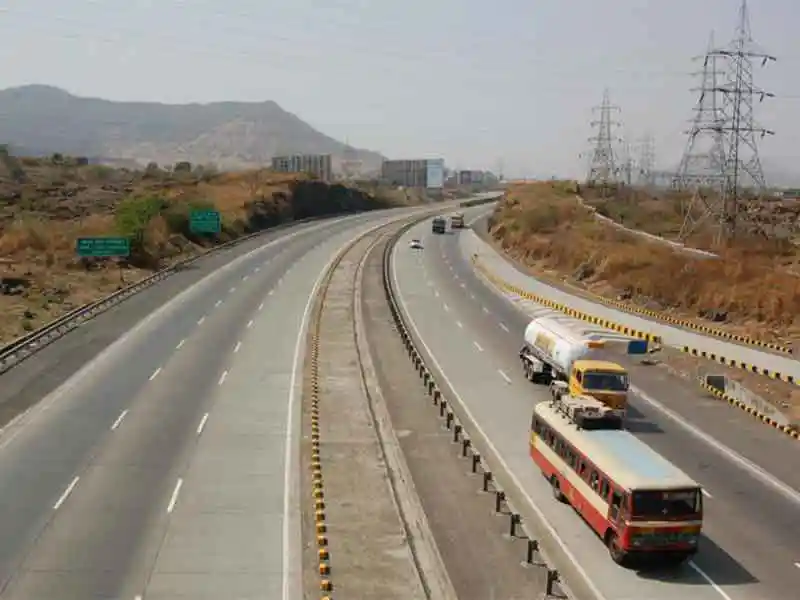
The infrastructure sector in general and the highway sector in particular are under severe pressure. While some of the pressures and headwinds facing it are their own creation, others are induced by the slowdown and the impact of Covid-19.
The major problems facing the highway sector are due to reduction of credit intakes from the banks and financial institutions becoming averse to lending. After 2019, the banks and the financial institutions have become very cautious in lending money to this sector, which has undertaken extravagant expansion plans and was squandering the capital on projects that appeared to be more optimistic on paper than on the ground.
The highway construction wing of the government is weighed down by a debt of almost Rs. 2 lakh crore due to lack of timely financial closure of projects and faulty land acquisition policy. Added to this are claims amounting to Rs. 80,993 crore and counter claims amounting to Rs. 48, 321 crore due to 286 pending unresolved arbitration matters for years, leading to reluctance by highway players to participate in highway construction business. Payments to contractors who have completed their projects need to be made promptly to motivate and sustain their business interest in the highway sector.
Delays, Time and Cost O.verruns
According to government sources, highway projects worth Rs 2.71 lakh crore have run into delays. A total of 773 highway projects spanning a length of 28,432 km are facing time and cost overruns. These projects are delayed mainly due to land acquisition, shifting of utilities, non-availability of sand/aggregate, poor performance of contractors, environmental , forest and wild life clearances, road over bridges , public agitation, arbitration etc. The concerned ministry is trying its best to streamline the various issues, said a senior official in the ministry
Highway Construction Losing Pace
The daily pace of construction of highways has lost its momentum. The year may end with a figure of around 26 km per day. At the current pace of construction, in FY 20 it may touch around 9,720 km , which is short of the ministry's target of 11,000. Market watchers attribute this to frequent public agitations. Now, with the countrywide lockdown, it may dip further.
Acute shortage of workforce in the post-virus phase will put a break on construction work. The 3-week long nationwide lockdown has already put many restrictions on movement for workers and staff members, which would also hamper many operations. Re-organising construction sites will have to be done from scratch. Getting smooth supply of construction material will be a serious problem and that too on credit.
In the wake of Covid-19 pandemic fear, tens of thousands of workers have left the construction sites and walked back to their native villages, thus making the availability of workforce uncertain in times to come. This will not only have a serious impact on the daily pace of highway construction, which is already down from the last pace of FY 19 record of 29km per day, but will trigger business concerns of companies associated with this sector in terms of shortfall in revenues, and eventually losses on important highway projects. The financial stress upon these companies and on the construction sector is expected to get very serious over the coming years, says the Shapoorji Palonji Group.
TOT - 4 Projects on Hold
The country's road asset monetization plan introduced in 2016 to monetize publically funded highway projects has taken a hit with investors turning away following the Covid -19 outbreak. Investors are seeking more time amid the market crash and the pandemic scare. Due to this, NHAI had to extend the fourth round of auction to monetize operational highways to April . Simultaneously, the scheme has been tweaked, allowing flexibility to draw more players. Through this, the government plans to monetize 100 highway projects to garner Rs. 1.5 lakh crore to complement budgetary outlays to boost allocation in the highway sector for future projects.
Concerns Addressed
In his interaction with the media, Nitin Gadkari, Union minister for roads, shipping and MSMEs addressed the main concerns relating to the problems being faced by the highway sector. "To speed up highway projects, we are trying to streamline the land acquisition and environment clearance processes, working in close coordination with other ministries, revamping the dispute resolution mechanism and holding frequent review meetings with various stakeholders including contractors. Various issues confronting the sector will be resolved sooner rather later as new initiatives are being taken," he said.
"The government is set to issue tenders for 3,000 km of roads on build-operate –and transfer (BOT) and EPC model where we expect that the private sector will invest in greenfield projects, despite the prevailing conditions and risks aversion. All these projects will be economically viable," he added.
Recently, NHAI cleared contractors bills worth Rs. 25,000 crore and an aggressive drive has been launched to ensure that all the pending bills are cleared. The minister disclosed that in FY20, toll collection has grown. "With the recent introduction of Fastag on national highways, we are seeing a sharp uptick in toll collection. With Fastag, toll income has gone up to Rs. 98 crore per day from Rs. 68 crore per day. Our target is to make this 1 trillion in five years, so that we have no financial problems to finance future highway projects.. In the coming year we intend to raise Rs. 15,000-20,000 crore in the NHAI maiden InvIT," said Gadkari.
The government is betting big on infrastructure projects with an investment of Rs. 102 trillion in the next five years. These projects will be implemented under the National Infrastructure Pipeline (NIP) mechanism. The focus would be on reforming project planning, execution and implementation under public –private partnership (PPP). Dispute resolution process would be in sharp focus under the system. "One hopes some of the problems and issues confronting the sector will get resolved once NIP mechanism is in full operation," he added.
Cheap Credit & Deferment of Loan Payments
The government is seriously looking at easing the liquidity constraints of construction companies. Both the government and the RBI are pulling all stops to increase liquidity and stabilize the financial market through various financial instruments and policy reforms. Heeding to the calls of lenders and industry steps are on to enhance the flow of cheap credit and defer payment of long duration loans to affect Rs 50,000 to Rs 60,000 crore of loans to bring financial relief to the industry. RBI has infused Rs. 3.74 lakh crore of liquidity to reassure and stabilize the country's financial system to mitigate the financial stress of various sectors, including the highway sector.
"There are problems and challenges, but we are sensitive and will resolve them. There are always ups and down but one thing is clear, that in India's fastest growing infra sector, the highway sector will be an important component. These highways contributes a lot to the GDP growth , improve quality of life, which in turn improves the development Index, nationally and globally," said Gadkari.
The need of the hour is to develop more nuanced and sophisticated business models to attract new domestic and overseas players. To add momentum to its faster growth, the highway sector needs a more integrated approach and a more friendly-business model, which will help it to realize its full business potential.