By Jeet Singh
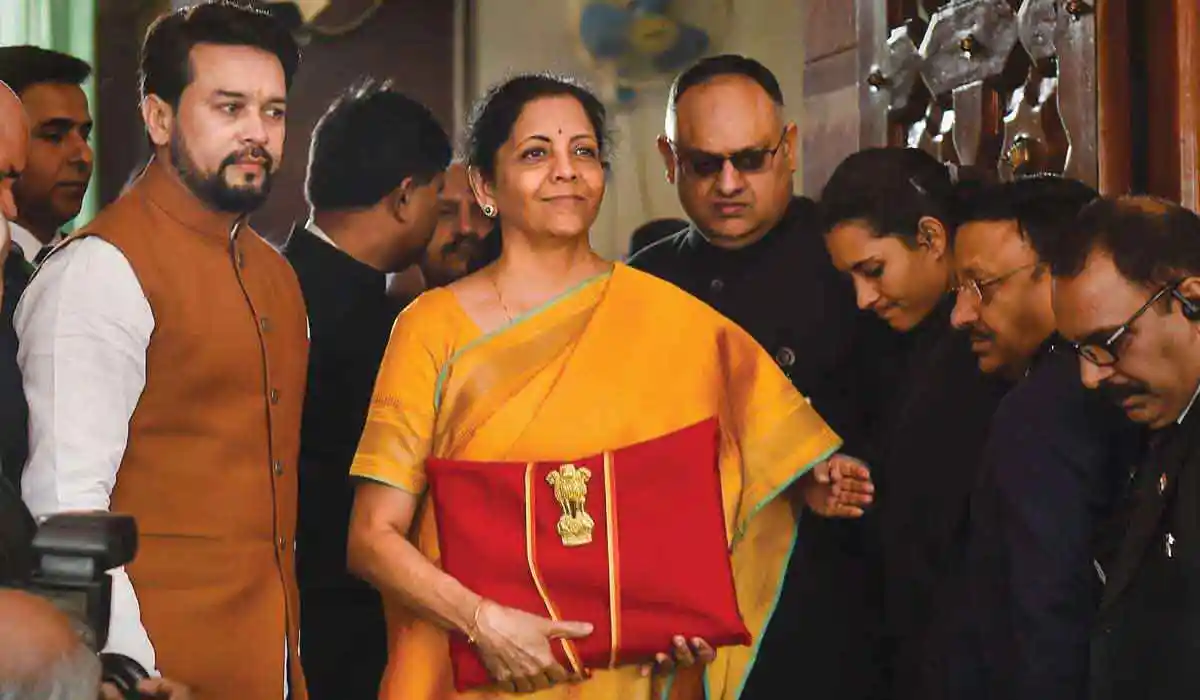
Rolling out a roadmap to build a $ 5-trillion economy by 2020-25, the Finance Minister in her 2020-21 Budget proposals has allocated a whopping ₹1.7 lakh crore for accelerated development of infrastructure, covering strategic roads & highways, economic & green corridors, coastal & inland ports. In its entirety, the Budget continues to focus on infra sector, which has potential to kickstart the economy, boost capex cycle, and generate jobs outside urban centres, and boost consumption. Moreover, given the size of the Indian economy, which is about $2.87 trillion (GDP in nominal terms in 2019-20), achieving the laid down targets may appear a distant dream, but it is still achievable through higher infra spend, streamlined project delivery, and speedy implementation mechanism.
Infra Sector
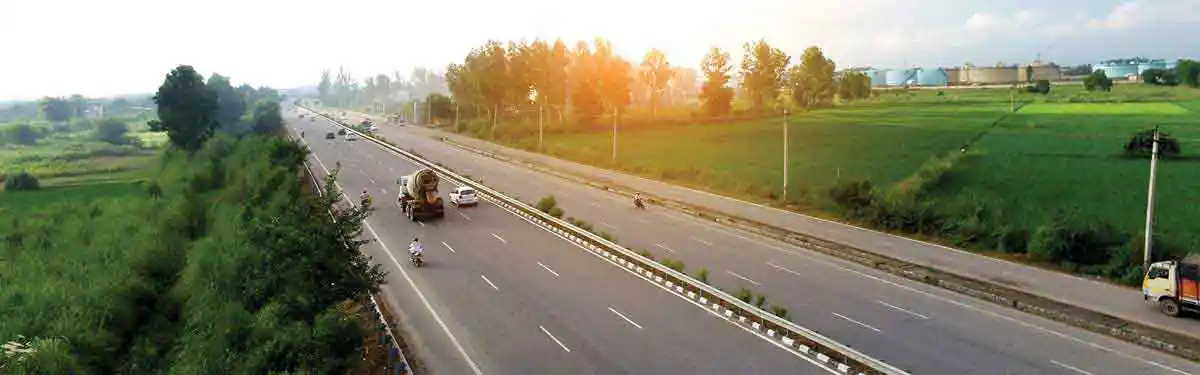
In a bid to ease financing challenges that have virtually crippled the infrastructure sector, the Budget has proposed an increased ₹1.7 lakh crore for transport infrastructure (up 23% y-o-y). About ₹22,000 crore has been allocated as equity infusion for Infrastructure Finance Companies such as IIFCL and a subsidiary of NIIF. They can now raise long-term debt of ₹1-lakh crore for financing the National Infrastructure Pipeline (NIP). In the NIP, the Centre has laid down a detailed five-year roadmap for the infrastructure spends in the country. The budgetary allocation for the infrastructure segment is collectively pegged at ₹1.9 lakh crore, ₹2.3 lakh crore, ₹2.7 lakh crore, ₹3.3 lakh crore and ₹4 lakh crore, respectively, over FY21 to FY25.
In addition, the Centre has also proposed to exempt all returns earned by foreign governments on their investments made in the infrastructure space by end-March 2024. Also, a lock-in period of three years has been made mandatory for such investments, to ensure continued free flow of funds.
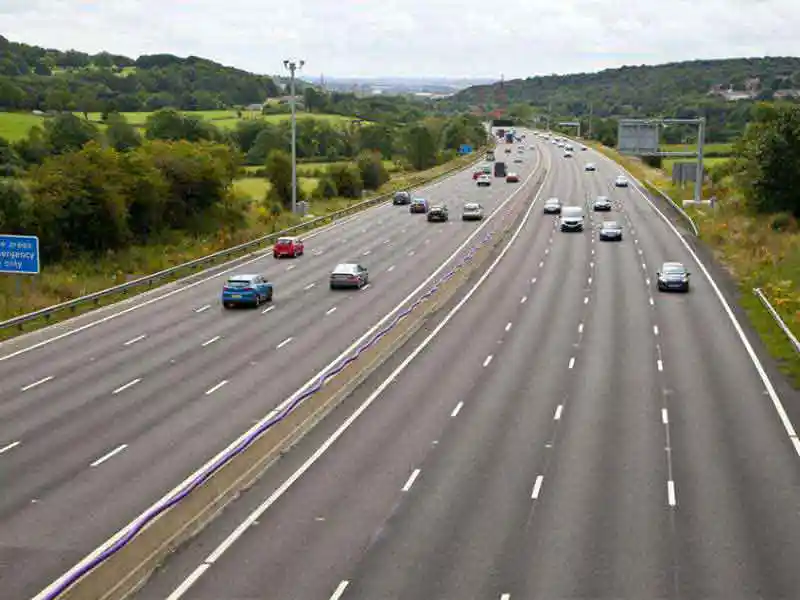
For the NHAI, the Centre has proposed to monetize at least 12 lots of highway bundles, covering over 6,000 km before 2024. The Budget also proposes accelerated development of highways — including the development of access control highways (2,500 km), economic corridors (9,000 km), coastal and land port roads (2,000 km) and strategic highways (2,000 km). The allocation of ₹100 lakh crore for infrastructure development in the next five years is a move in the right direction.

Rail, Metro & RRTS
For the current fiscal, the revised estimate for capital spending in the Indian Railways was ₹1.56-lakh crore against the 1.6-lakh crore capex, announced in the last Budget. The railways will get ₹70,000 crore in 2020-21 and an outlay for capital expenditure amounting to ₹1.61 lakh crore has been proposed. In a boost to regional connectivity in the NCR, the Centre has allocated ₹2,487 crore to the country’s first Regional Rapid Transit System (RRTS) in the Budget. A total of ₹20,000 crore has been allocated for the Mass Rapid Transit System, which includes all metro projects across the country and the RRTS projects. However, there is no separate allocation for Delhi Metro Rail Corporation, which has started work on its Phase IV project.
The Centre has provided a consolidated allocation for all metro projects and DMRC would ask for funds as per its requirement from the Union Housing and Urban Affairs ministry. Of the eight identified RRTS corridors to connect various NCR towns, three have been prioritized for implementation in Phase-I by the planning commission-appointed task force. These include the Delhi-Ghaziabad-Meerut corridor, Delhi-Gurgaon-Alwar corridor and Delhi-Panipat corridor. In order to encourage public private partnership (PPP) in the rail sector, the Railways plans to invite bids from private players for redevelopment of New Delhi and Mumbai’s Chhatrapati Shivaji Maharaj Termini in the next three months.
IRCTC will run a third ‘private’ train between Varanasi and Indore this month as part of the railway’s move to accelerate 150 passenger trains on PPP model. The process of inviting private participation is underway as more Tejas-type trains (chair-car only) will be introduced to connect tourist destinations, and the government will “actively pursue” the high-speed train between Mumbai and Ahmedabad. Railways will soon deploy a premium Humsafar train (with AC-3 tier and 3-tier sleeper-class) on the Varanasi-Indore route, which will be operated by IRCTC and run thrice a week — two days via Lucknow and one day through Prayagraj (Allahabad).
Real Estate
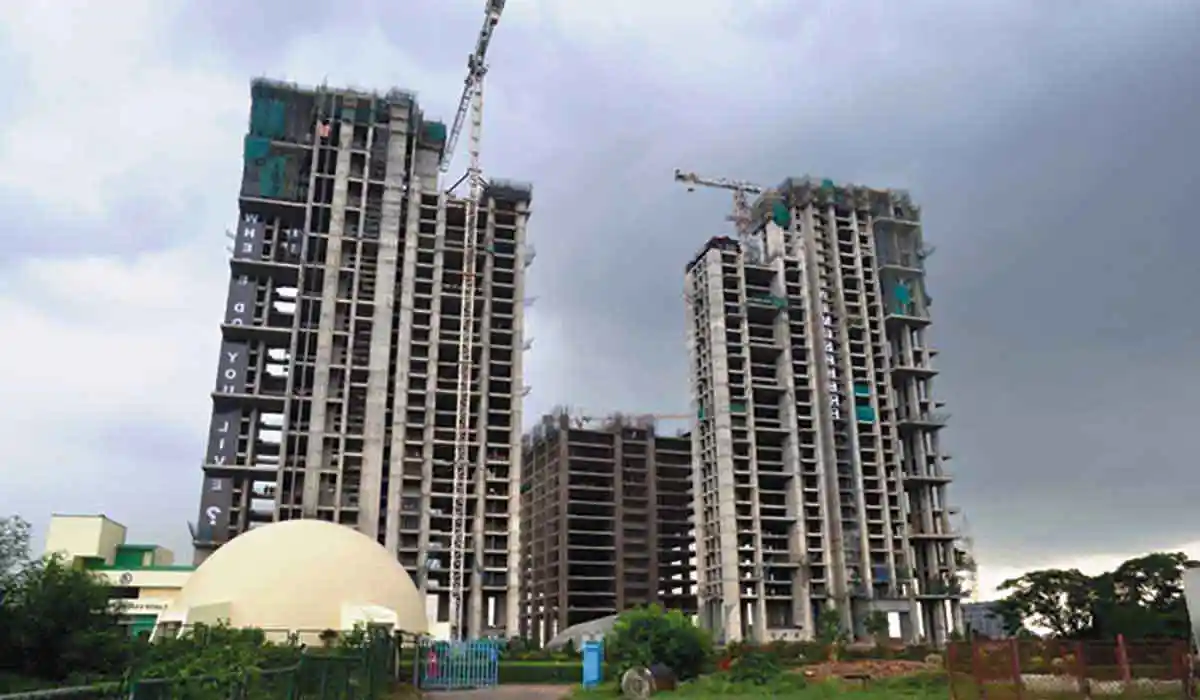
The Budget has continued its focus on the real estate sector, particularly, affordable housing segment and has favored both home buyers and developers. The additional deduction of up to ₹1.5 lakh for interest paid on loans taken for purchase of affordable homes has now been extended till March 31, 2021. Currently, while taxing income from capital gains, business profits and other sources in respect of transactions in real estate, if the consideration value is less than the circle rate by more than 5%, the difference is counted as income, both in the hands of the purchaser and seller. This limit is proposed to be increased to 10%. The tax holiday on profits earned by builders constructing affordable homes is also proposed to be extended by a year.
Expressing his disappointment, President, CREDAI National, Satish Magar, said that Budget 2020 has not been encouraging for the real estate sector, which needs immediate attention. Unfortunately, none of the issues like one-time restructuring of loans and enhancement of tax deductions on home loan have been addressed. MD of Hiranandani Group, Niranjan Hiranandani, commented that affordable housing remains the government’s favorite with previous exemptions for both homebuyers and developers. Commercial real estate segments may also witness a boost, with the focus on warehousing, schools, hospitals and hospitality.
Steel & Cement
India Inc. had already received a bonanza in the form of corporate tax rate cut in September last year and there isn’t much more that they would have expected by way of tax rate cut, but the increased capital expenditure could help infrastructure, capital goods, cement, steel and other allied sectors. The biggest challenge for Indian companies in recent times has been the collapse in consumption. Private final consumption’s year on year growth fell to 3.1% in June 2019. While there was an uptick to 5.1% growth in September 2019 quarter due to festival spending, high-speed indicators such as auto sales, credit growth indicate continued stress on companies. The cut in income-tax slabs announced in the Budget can put money in the hands of individual taxpayers. The revenue outgo of ₹40,000 crore may not be enough to spur growth in consumption demand.
The increase in allocation for PM-Kisan Yojana from ₹54,370 crore to ₹75,000 crore is one of the brighter spots for consumption. The Budget has tried to address this issue by allocating a higher amount towards capital expenditure for FY21. Share of capex to GDP has moved to 1.8% in FY21 from 1.6% in FY20. Against gross budgetary support of ₹3,48,907 crore in FY20, the capex in FY21 is budgeted at ₹4,12,085 crore. This bodes well for construction companies catering to Indian railways, real estate sector etc, and it is hoped that the higher capex spends by the government will have a positive cascading effect on cement and steel manufacturers.
Ports & Airports
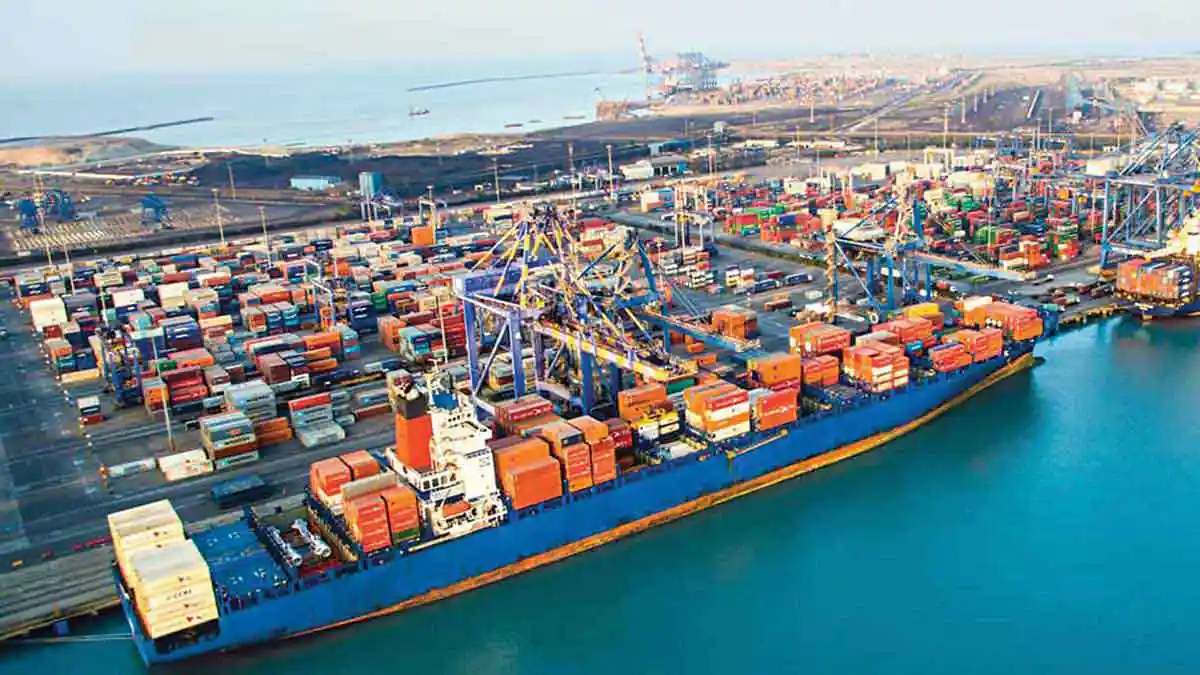
The government plans to corporatize at least one major port and list it on the stock exchange and efforts will be made to use technology to improve performance of ports. There is a need to put in place a governance framework in line with global benchmarks. Two big ports, Jawaharlal Nehru Port Trust and Deendayal Port Trust, owned by the government, have been shortlisted to be corporatized. The shipping ministry is already preparing the change in law to convert the port trusts which run them, into port authorities and the Major Port Authorities Bill is likely to be introduced during the ongoing Budget Session.
The FM also announced in the Budget that the Jal Vikas Marg on National Waterway-1 (Ganga) will be completed and the 890-km Dhubri-Sadiya connectivity in Assam will be achieved by 2022. The Budget saw the government more than doubling the allocation for the Chabahar port project in Iran. While the allocation in the last Budget was ₹45 crore, it has been increased to ₹100 crore this year. India’s total allocation for the immediate neighborhood (Afghanistan, Maldives, Bangladesh, Nepal, Bhutan, Myanmar and Sri Lanka) in 2020-21 is ₹5,084.65 crore.
For the aviation sector, the government has announced plans to develop 100 airports under the UDAN scheme by 2024 to promote domestic travel and connect more towns. Commenting on the move, former Chief Operating Officer, GoAir, Capt AK Sachdev said that the government should include all the stakeholders while putting this scheme into practice. It should allocate a specific budget for setting up each of these airports and prevail upon airports in major metros to set up secondary airports closer to the main ones. Most metro airports do not have enough slots to accommodate more flights, hence, regional airlines could look at operating red-eye flights. Major domestic airlines may not want to invest in smaller aircraft as their focus is now on expanding their network to international routes. Hence, only regional airlines could come forward and the government should support them, he said.
Power & Renewable Energy
Power and renewable energy got ₹22,000 crore budgetary allocation for FY20-21. While the allocation has largely been the same as in the last few years, the push towards Discom (power distribution company) reforms may lead to a shift in disbursals as the second leg of the power distribution company reforms found mention in the Budget. According to RK Singh, Minister of State (Independent Charge) for Power and New and Renewable Energy, the schemes will now be linked to the loss reduction performance of Discoms.
“The support under other schemes of the Ministry will be linked to the efficiency and loss reduction parameters. Taking electricity to every household has been a major reform of the government. However, the distribution sector, particularly the Discoms are under financial stress,” said the FM.
It is also proposed to expand the national gas grid from the present 16,200 km to 27,000 km. “This is, eventually, a positive for generators too who currently suffer delays of 6-8 months and are sitting on surplus capacity that could be sold if they had access to consumers,” said Leader - Government Reforms and Infrastructure Development, PwC India, Kameswara Rao.
Stress on Jal Jeevan Mission
The government’s ambitious program to provide tap-water to all households by 2024 costing a sum of ₹3.6 lakh crore, has been allocated ₹11,500 crore in the current Budget, marking an increase of 15% over ₹10,000 crore allocated in the previous Budget. Jal Jeevan Mission is aimed at increasing water available to households and to achieve this, government plans to augment local water resources by way of recharging the existing ones to promote water harvesting and de-salination. The program will focus on delivering water supply on regular basis, in adequate quantity and of prescribed quality. Cities with over a million people will be encouraged to meeting this objective of providing tap water during the current year itself. Safe drinking water and a comprehensive sanitation program are important for reducing the disease burden of the poor, the FM said.
Counterpoint
Infrastructure companies in the construction segment stand to gain from the ₹1.7 lakh crore outlays for road construction. But unless execution delays are addressed, they are unlikely to benefit. Not much has been done for the real estate sector, besides extending the deductions available to developers on profits and to investors on housing loan interest. The cut in fertilizer subsidy is not beneficial to fertilizer manufacturers. Many policy tweaks have been announced for banks and NBFCs but these do not add up in a material way to address the problems of stressed loan books that is hampering business growth.
Comments by the Industry
Shubham Jain, Group Head & Senior VP, Corporate Ratings, ICRA: Budget 2020-21 continued the Government’s boosting of the affordable housing sector. Segmental supply is also expected to be favourably impacted by the one-year extension in the tax holiday currently available to developers of affordable housing. Some positive impact is also expected on the warehousing segment, given the proposed announcement of a National Logistics Policy, availability of viability gap funding and focus on creation of efficient warehousing. The development of additional smart cities and the establishment of data center parks would also increase real estate activity. However, developer and investor community expectations on budget provisions pertaining to increased sectoral allocations and deductions remain largely unmet. Moreover, the non-applicability of the deduction on housing loans under the new optional individual tax structure can act as a significant deterrent for those contemplating availing housing loans.
Anshuman Magazine, Chairman & CEO - India, South East Asia, Middle East & Africa, CBRE: The latest Economic Survey tabled by the hon’ble finance minister in the Parliament is a testament to India’s resilience in the face of an economic slowdown. Although India’s GDP growth has moderated to less than 5% in 2019-20, what is heartening is that this slowdown would be short-lived, with 2020-21 growth expected to be in the range of 6-6.5%. Moreover, the government’s vision of delivering a USD 5 trillion economy seems intact despite the slower than expected GDP growth. This is because India is poised to rebound on the back of sustained infrastructure investment, demographic strength and macro-economic fundamentals.
Rajan Bandelkar, President, NAREDCO West & MD, Raunak Group: The Budget has only two positive proposals for the sector viz. one more year of extension for approval of affordable housing projects for availing a tax holiday and extension of additional ₹1.5 lakh tax benefit on interest paid on affordable housing loans. But the sector’s key demands such as allowing restructuring of loans, extension of a subvention scheme, raising the limit of ₹45 Lakh for affordable housing, scrapping of capital gains on sale of properties, extending the timeline of capital gains, are not met with. This core sector drives demand in ancillary sectors and creates employment opportunities. Not addressing the key issues will worsen the future and make the going unviable.
Kshitish Nadgauda, Senior VP & MD – Asia, Louis Berger: Continued planned investment in transportation infrastructure including roads and highways, aviation, urban metro rail and highspeed intercity rail is a welcome step. The nation’s economic development and growth is heavily dependent on robust infrastructure, and the announcements made by the FM are therefore commendable. However, special attention needs to be paid to both design and construction to boost safety and quality, building world-class transportation facilities which would also bring down the overall life-cycle costs for these projects. Along the 9,000 km economic corridors, new townships/nodes should be developed to create economic growth centers that would stem the flow into existing major cities.
Of the total 1.7 lakh crore allocation for the transport infrastructure, there needs to be a significant outlay for urban transportation infrastructure covering public transportation facilities (metro rail, light rail, trams, urban roadway interchanges, bus transport). Adequate focus should also be on improving the quality of life of daily commuters in urban centers by providing safe and efficient feeder networks and enhanced pedestrian facilities including wide sidewalks, landscaping and public conveniences. Overall, the budget is a step towards a strong, healthy and prosperous India having a positive long-term impact on the economy.
Sandeep Upadhyay, MD – Infrastructure, Centrum Capital: Tax concessions extended to Sovereign and Pension funds will go a long way in attracting long term financing solutions for infrastructure Sector. As the FM said, India continues to be a vibrant economy with strong macroeconomics fundamentals and an honest attempt to cleanse the Banking system through IBC, besides emphasising on the reduced Debt to GDP ratio between 2014-19 in comparison to 2009-14. Some of these parameters have been recently criticised with the spotlight shifting on the increased fiscal deficit. The premise that the Corporate tax cut would enable growth and more than offset the drag on the fiscal deficit, one has to still wait and watch to assess its impact, which I guess will only show up on a medium to long term. The fiscal deficit has been revised to 3.8% from 3.3% in FY 20 and projected as 3.5% in FY 21. This is certainly a departure from the kind of financial discipline exhibited during the NDA-I regime and shall continue to be widely debated.
Ranganath N. K, Area Managing Director, INDO Region, Grundfos: We welcome this year’s budget which focusses on issues that propel the growth of aspirational India. Addressing the challenges of severe water stress as one of its topmost agenda, the Budget proposes comprehensive measures for 100 water-stressed areas. Given that the budget also aims to empower famers by increasing their dependence on off-grid solutions with solarised grid-connected pumps through the PM Kusum Scheme, I think that this will act as a catalyst to sustainable irrigation solutions across the country. The foreseen investment in the renewable energy sector will enable the government to achieve its national action plan on climate change.
Amit Gossain, Co-Chairman, CII National Committee on Urban Development & Smart Cities & MD, KONE Elevator India: The Union Budget presents a strong focus on betterment of rural and infrastructure-related developments. The allocation of ₹103 lakh crore to boost infrastructure and the development of 100 more airports to receive support and development. The government continues its consistent approach towards affordable housing. The Affordable tax holiday is a good thing which is now extended till March 2021. For real estate, either industry status or liquidity should have been given. It is important to revive the real estate industry for economic development. Income tax which has been reduced for individuals will result in more disposable income so consumption will increase.
Madhusudhan G., CMD, Sumadhura Group: We view this Budget in positive light. The long awaited single-window clearance and industry status for real estate are not been addressed, however, developers expect the National Logistics Policy to be released by the Government soon, to help enable single-window clearance for projects. The Budget has also addressed the liquidity issue by informing that the Government will offer support by guaranteeing securities floated to enable liquidity support to NBFCs. A mechanism to provide liquidity to NBFCs and housing finance companies was also proposed.
Ichiro Oshima, CEO-DMICDC Logistics Data Services Limited (DLDS): With the Budget 2020-21, the government has announced spending Rs. 103 lakh crore over the next five years on National Infrastructure including logistics. The emphasis on proposing a National Logistics Policy to create a single-window e-logistics market is a positive and encouraging step for the industry. We welcome the government’s push for infrastructure and economic activities with a proposal of setting up a 9,000-km economic corridor and 2,000-km of coastal roads.
Jatin Shah, National Director, MD & Chairman, India Office, Colliers India: Building data centre parks throughout the country announced. All public institutions at gram panchayat with data connectivity will help setting up data centres across the country in a phased manner.
Himanshu Chaturvedi, Chief Strategy Officer, Tata Projects: The Union Budget 2020 has taken serious and concerted efforts towards creating an enabling environment that brings together public and private players for achieving national developmental objectives. More such initiatives towards ensuring better tendering processes, quicker payment mechanism and lower cost funds are needed to spur the infrastructure and construction sector, but this is a good beginning. We are certain that the government will chalk-out more such positive initiatives in near future after consultation with all industry stakeholders.
Mahendra Singhi, President, Cement Manufacturers Association, MD & CEO, Dalmia Cement (Bharat) Limited: The Cement Industry welcomes the Government’s intent to push infrastructure development, which captures the priorities of economic development and an aspirational India. We would hope that rural demand gets revived and it assists in job creation. We are actively engaged in dialogue with the Ministry of Commerce on the National Logistics Policy and would expect some of our considerations for upgradation and modernization of rail infrastructure are carried through. The Cement Industry has been an active partner to the Government in the Swachh Bharat Mission. Priority accorded to source segregation and processing should add to creating a more facilitating environment for the Cement Industry in waste management given that Polluter to Pay principle has been outlined in the National Resource Efficiency Policy. More policy interventions to revive real estate and housing, infrastructure development, new 100 airports and emphasis on road would go a long way to revive cement demand.
Neeraj Akhoury, VP, Cement Manufacturers Association, CEO & MD, ACC Limited: The special emphasis on infrastructure development that the Government has undertaken over the past few months has been strengthened in the Budget. The focus on infra projects and national logistics policy that will be released soon should have a positive impact on the economy. Budget 2020-21 aims at making growth more inclusive while retaining focus on the immediate priorities given to roads, railways, economic corridors, solar power, accelerated development of highways which would help boost development and wealth creation. The Cement industry is committed towards playing a strong role in the Government’s aspirational agenda for transformative economic growth.
Surendra Hiranandani, CMD, House of Hiranandani: While not giving direct benefits to residential real estate as a whole, the Budget has laid more focus on alternative segments within real estate – such as warehousing, data centres, schools, hospitals and hospitality, and plans to build Data Centre Parks across the country. Simultaneously, plans to develop five new smart cities in collaboration with the states in PPP mode will open avenues for employment and indirectly push real estate development. We were also hopeful that the budget would chart out fresh stimulus in terms of bold fiscal measures for real estate sector to outperform its growth traction. We had certain expectations such as Industry status, single window clearance, reinstatement of Input Tax Credit in GST, to cut GST rates to a single, standard rate, and not have multiple rates or taxes, which have not been fulfilled.
Dr. Niranjan Hirandani, President ASSOCHAM: The Budget overall was good in intent; all the important and necessary sectors were touched upon and a growth trajectory was chalked out. However, we the spending on each sector could have been doubled. Overall, I feel that the Finance Minister did not take the bull by the horns. The government’s commitment of doubling farm income by 2022 is a welcome step. Setting up standalone solar pumps will reduce power consumption by farmers by almost 50% and the government can expect to recover the cost of installation in the next two years. However, I doubt whether the budget allotted for water will solve the water crisis in every segment of society.
The FM has laid greater emphasis on quality of education where India had been failing so far. The idea of appointing fresh engineers in urban local bodies as apprentices is a welcome step. As an industry body we have found that workable skill sets are missing in most fresh graduates.
The thrust on urban infrastructure is inadequate. Roads which are being built at a rate of 35 km per day should have been at least 70 km per day, which is an achievable target. The turning point of the Budget was the focus on power sector. In view of the climatic change, we need to focus more on non-thermal power stations. For example, Dabhol Power Station which works only 3-4 months in a year can be made to work 365 days. Abolition of Dividend Distribution Tax (DDT) is a welcome move. However, the corporate tax reduction and the personal income tax slab under the tax regime need a lot of computing before we can fully understand the actual benefits. I think this change will benefit only a certain section of society.
Kaushal Agarwal, Chairman, The Guardians Real Estate Advisory
“The government has attempted to catch the bull by its horns. The budget demonstrates the government’s resolve to focus on demand generation, spurring jobs, increase infrastructure spends, attract foreign institutional investors and increase farm income. The decision to offer an optional tax regime that reduces the direct tax on personal income, will help increase the home loan EMI appetite of the consumers and will have a significant impact on generating demand for real estate. The government’s decision to further bolster the guarantee scheme for NBFC’s & HFC’s and offer subordinate debt to MSMEs, will to a certain extent, help bring liquidity in the market alongside the abolition of DDT. The tax holiday for developers of affordable housing and the extension of home loan interest benefit for affordable homes by another year is a welcome step for real estate. It is a positive step towards realizing the Prime Minister’s vision of housing for all by 2022. All in all - A good budget that rekindles hopes of a $5 trillion economy by 2024.”
Bikesh Ogra, Director and Global CEO, Sterling and Wilson Solar Limited.
“The Union Budget 2020, has taken a positive step to boost the energy and power sector. Renewables is the future and the emphasis on solar is encouraging for the sector. This year’s budget has shown the government’s commitment towards power and renewable sector. This definitely highlights India’s commitment to clean energy and strengthens our position as leading solar company to support the global outlook towards climate change. The company applauds 2020’s vision of clean energy generation. Clean energy is definitely a boost to the economy and industry. The new tax slabs further add to the welfare and since Companies will no longer be required to pay DDT, it will also make India an attractive investment destination.
We truly believe clean & renewable energy is the future and look forward to further growth in this sector”
Avneesh Sood, Director Eros Group
“The Union Budget 2020 has focused on the nation’s growth and brings a positive sentiment to the overall economy. India’s real estate sector has a reason to cheer as the Finance Minister has announced the Tax holiday on profits of developers involved in affordable housing projects will be extended by one year to March 2021 with a deduction of ₹1,50,000 will be extended to loan sanction by one year. This measure is expected to boost the affordable housing sector as well as investor sentiments in the near future and will provide ample opportunities for the home buyers to invest. A massive boost for infrastructure with the National Infrastructure Pipeline (NIP) captures the infrastructure vision of the country for the period FY20-25. It has projected a total infrastructure investment of 102 lakh crore during FY20 to FY25 in India, will not only benefit the realty sector but also help other industries and create large scale employment in the economy. The government’s focus on infrastructure development of tier 2 and 3 cities will surely make these cities ready for the next round of urbanization.
In general, this year’s Budget is optimistic for the sector as it will provide ample opportunities for the home buyers to invest. Enhancing the exemption limit for the general category of individual taxpayers will increase the buying capacity of the potential home buyer thereby providing a boost to achieve ‘Housing for All’. We believe that the move to reduce the Tax rate to 10% from 20% for incomes between ₹5 lakh to ₹7.5 lakh is a very positive move. This is a helpful step towards increasing disposable income for a first-time buyer planning to purchase a real estate asset.
Going forward, we expect continued momentum for Indian realty to attract new investments into the sector and hope the step taken by the government by reducing tax exemptions and National Infrastructure Pipeline (NIP) brings positive measures for the holistic growth of the Indian real estate sector, imperative to fuel India’s growth engine. In conclusion, it can be said that the budget 2020 has set the stage for the economy and hope to grow positively and achieve new heights through its reform measures”.