
Dr. Dinesh Sati Geology & Geotechnical Consultant shares views on L1 Bidding System
The L1 system often encourages unrealistically low bids; however, a bidding system based on a Geotechnical Baseline Report (GBR) would ensure contractors understand project risks and allocate resources properly for safe, high-quality construction.
Dr. Dinesh Sati
Geology & Geotechnical Consultant

India’s Infrastructure Growth and Investment
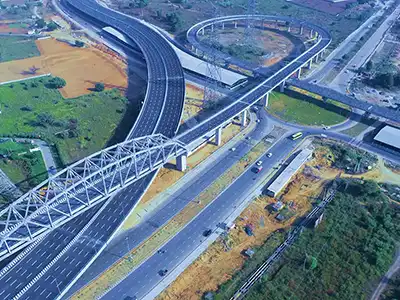
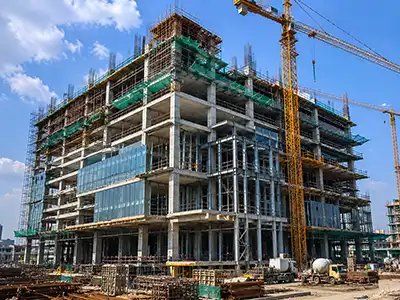
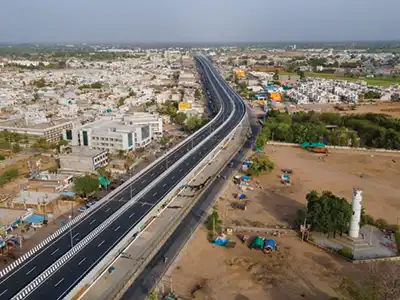
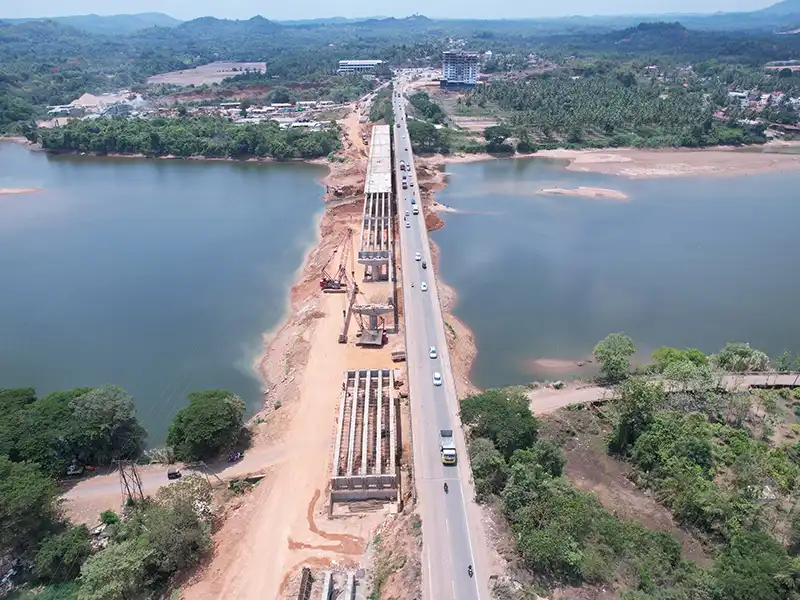
India’s infrastructure development is progressing rapidly, particularly in highway and railway corridors as well as hydropower projects, especially Pumped Storage Schemes Projects (PSPs). Nationwide development of such facilities helps reduce logistics costs, facilitates urbanization, and promotes industrial growth by encouraging private sector investment in setting up industries and plants, thereby generating employment opportunities. Funding for major projects is primarily through Public-Private Partnerships (PPP), although private investment is increasingly promoted and incentivized. Technological solutions, such as automated collection of parking fees in cities and toll taxes on highways and expressways, are also being implemented to make operations more efficient and hassle-free for users.
Inadequacies in L1 Bidding
In my view, the L1 bidding system is unjustified and should be discouraged. Often, clients hide behind L1 as a justification for inadequacies in site-specific geological and geotechnical investigations, which can lead to incorrect assessments of ground conditions. In underground construction, such awards have previously resulted in major mishaps, unnecessary delays, and cost overruns. With cost-cutting budgets, the men and machinery employed cannot always follow proper procedures, leading to poor workmanship, compromised quality, and safety risks. Unforeseen ground conditions in hilly or complex terrains further exacerbate these risks, making the long-term stability of such constructions questionable.Towards a More Balanced Bidding Process
Bidding companies are aware of the greater weight given to technical credentials initially and often engage partners with strong expertise in geology and geotechnical studies to strengthen their bids. However, accepting the lowest financial bid as L1 frequently causes problems. The bidding process needs a more balanced approach, establishing a clear link between the client’s offered price and the contractor’s bid. Cost-effective construction should not imply bids significantly below the client’s estimate, as this may indicate uncertainty or gaps in the DPR.A bidding system based on a Geotechnical Baseline Report would encourage more realistic pricing. Contractors familiar with the GBR can better understand project risks, avoiding unrealistically low bids and ensuring resources are appropriately allocated for safe and effective construction. Many EPC-mode projects awarded on low bids have experienced issues with investigation, design, construction, and safety due to budget constraints. Aligning bids with project realities through technical and geotechnical assessments would foster sustainability, improve quality, and enhance long-term project safety.
Published on:
10 October 2025
Published in: NBM&CW OCTOBER 2025
Share:
We Value Your Comment