
Anuj Narula from Techhub Engineering shares views on L1 Bidding System
L1 alone cannot be blamed for poor quality in infrastructure; the bigger issue lies in weak DPRs, inadequate planning, and the mindset of contractors who prioritize survival over sustainability.
Anuj Narula
Managing Director
Techhub Engineering

Fixing the Flaws in L1
While the L1 bidding system certainly impacts the quality of infrastructure projects, it cannot be solely blamed for poor construction outcomes and failures. Multiple factors contribute to the overall quality of infrastructure, and the mindset of contractors often plays a larger role in undermining projects. A policy guideline should be framed to define a threshold line for L1 bids, below which tenders must be carefully examined to prevent unsustainable practices.The tight margins associated with L1 bidding divert contractors’ focus towards survival and cost mitigation, rather than encouraging the adoption of new technologies or innovative construction techniques. This compromises the sustainability of projects. If new technologies are implemented with strong intent and without fear of the initial investment, they can significantly enhance the long-term quality of infrastructure.
DPRs: The Weakest Link in Project Preparation
With over two decades of experience in the sector, I have observed that no specific standards for DPRs have yet been defined, despite several technical circulars issued by MoRTH. As a result, the quality of DPRs depends largely on the individual company’s methodology and approach. Due to heightened competition in recent years, consultancy rates for DPR preparation have drastically reduced, leading to a decline in quality.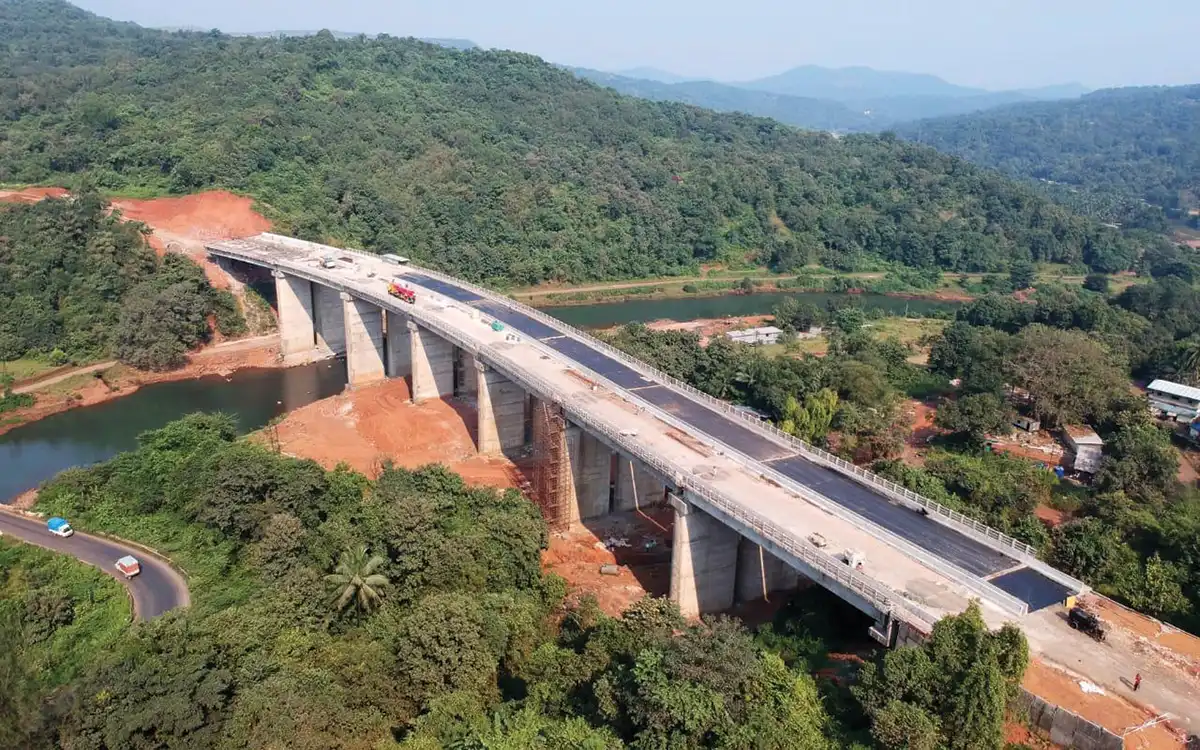
In many instances, DPRs have been found missing critical information or presenting erroneous data. Utilities such as high-tension and underground lines have been overlooked, and incorrect elevations of hills and valleys have distorted cost estimates. In hilly areas, the absence of thorough geological studies and geotechnical investigations at the DPR stage has prevented accurate assessment of landslide risks. These gaps later lead to severe slope failures due to inadequate protection measures. Such deficiencies not only inflate costs and cause delays but also pose risks to safety and sustainability.
Balancing Cost Efficiency with Quality and Sustainability
Changes in the current bidding system are necessary to strike a balance between cost competitiveness and quality, safety, and sustainability. All key professionals should be thoroughly involved in DPR preparation, with IITs and NITs engaged at critical levels to review important proposals. Dedicated teams from NHAI, MoRTH, PWD, and BRO must be assigned to monitor DPRs and facilitate detailed discussions. Research inputs from institutes such as CSIR - CRRI should be integrated to explore alternative and new technologies. Consultants should be provided with adequate timeframes for submissions at different stages of DPR preparation.Fast and rational decision-making by authorities is equally critical to avoid delays and rework. Another major issue lies in DPR consultants outsourcing work to freelancers without ownership or accountability, which affects the quality of submissions. Monitoring mechanisms must ensure that qualitative and accountable outputs are delivered.
Refining Evaluation Mechanisms for Projects
Globally, the QCBS system has proven effective, especially for projects ranging from ₹50 crore to ₹200 crore. For larger projects above ₹200 crore, however, past performance and the maintenance record of existing projects should also be given weightage in evaluation. Similar to consultancy tenders, construction projects should mandate the involvement of qualified professionals from the industry, with strong academic and professional backgrounds.The bidding system should also include a separate score for training and skill development of the construction workforce. This will ensure that capacity building becomes an integral part of procurement, fostering long-term improvements in project execution.
Published on:
10 October 2025
Published in: NBM&CW OCTOBER 2025
Share:
We Value Your Comment