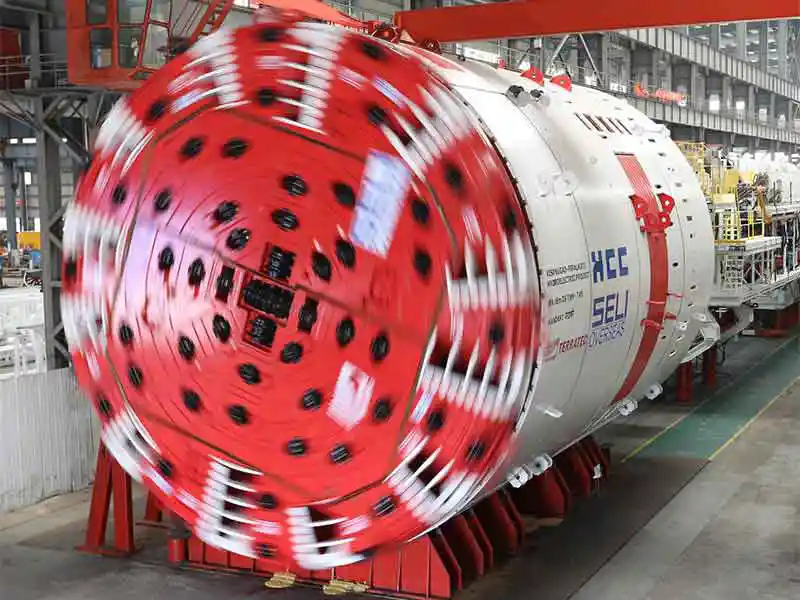
The ministry said the measures are intended to safeguard China's national security and interests. They also cover walking excavators, plateau-type wet shotcrete machines and specified dredging equipment and components.
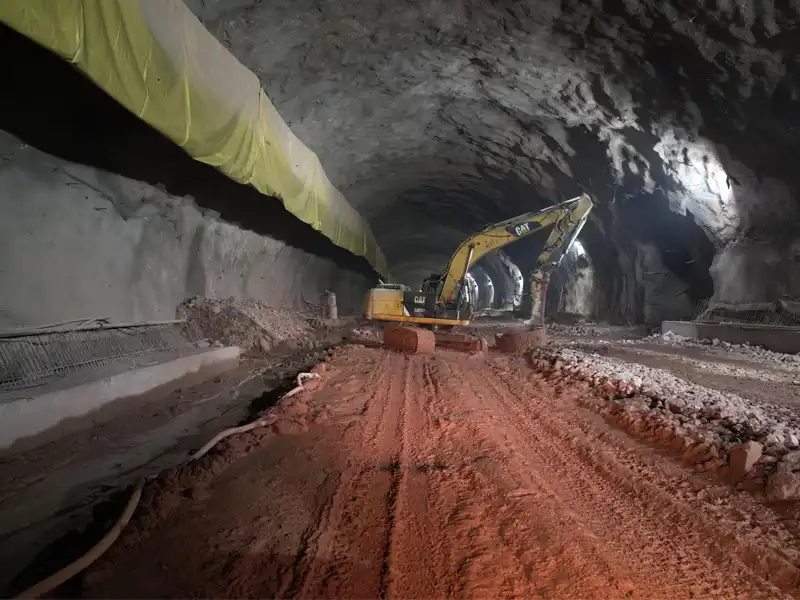
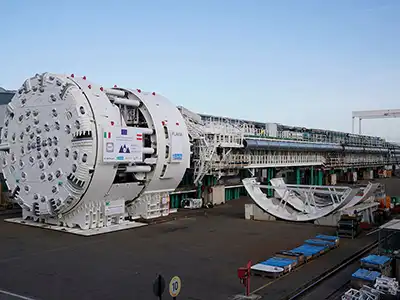
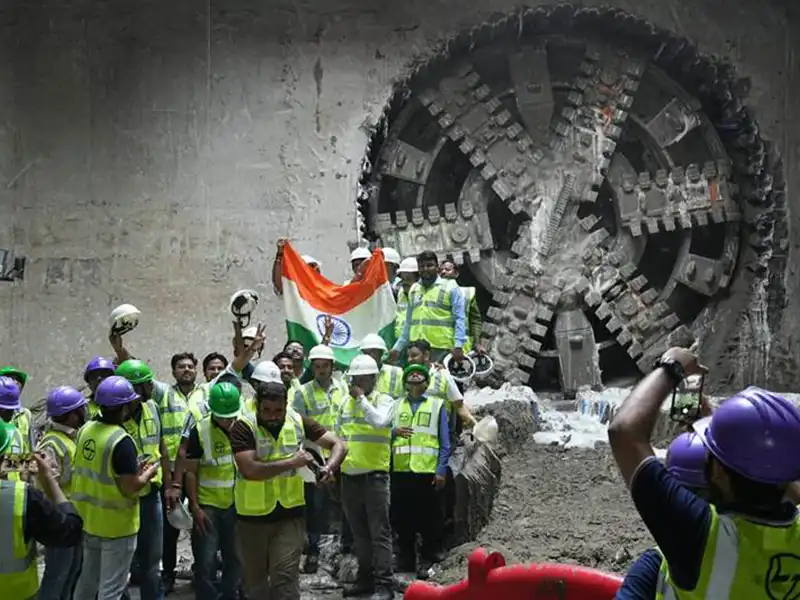
The restrictions could have implications for Indian infrastructure development, given the use of specialised machinery in tunnelling and underground construction. China has restricted TBM exports to India in previous years as well. In 2024, Commerce Minister Piyush Goyal told Germany's then Vice Chancellor Robert Habeck that Beijing was not permitting a German company manufacturing TBMs in China to export the machines to India.
Walking excavators, which use a combination of working attachments, outriggers or wheels to move across difficult terrain, are designed for excavation in challenging locations. Plateau-type wet shotcrete machines are used in high-altitude areas to transport and spray concrete mixtures onto surfaces using compressed air and an accelerating agent.
The new measures also revise export controls on specified dredger-related equipment, including slurry pumps, dragheads and cutterheads that meet defined technical thresholds.
For slurry pumps used in dredging, the controls cover equipment with an inlet diameter of at least 0.55 metres and a maximum rotational speed of no more than 400 revolutions per minute. Certain components are also covered, including pump casings with an inner diameter of at least 1.3 metres and impellers measuring at least 1.3 metres in diameter.
The restrictions extend to dragheads used in trailing suction hopper dredgers, where the suction pipe diameter is at least 0.55 metres, and cutterheads used in cutter suction dredgers with an outer cutter ring diameter of at least 2.1 metres.
Under the new rules, exporters of the specified items must obtain licences from MOFCOM in accordance with China's Export Control Law and its regulations governing dual-use items. Exporters must also identify controlled products accurately and declare the relevant dual-use export control codes in customs documentation.
For products that are not controlled but have similar technical specifications or performance, exporters must provide detailed technical parameters to support their declarations. Customs authorities may seek further verification where the accuracy, completeness or authenticity of declared information is in doubt. Shipments will not be released while such verification is underway, according to the announcement reported by state-run Global Times.
The announcement follows a separate draft plan released by MOFCOM on Friday proposing export restrictions on 14 technologies across sectors including artificial intelligence, biotechnology and photovoltaic solar power.
The latest controls add to the regulatory requirements governing China's exports of specialised industrial machinery and technology. Their impact on Indian infrastructure projects will depend on the equipment involved, applicable licensing decisions and the availability of alternative suppliers.