
ADB bats for sustainable urban infra for brighter future
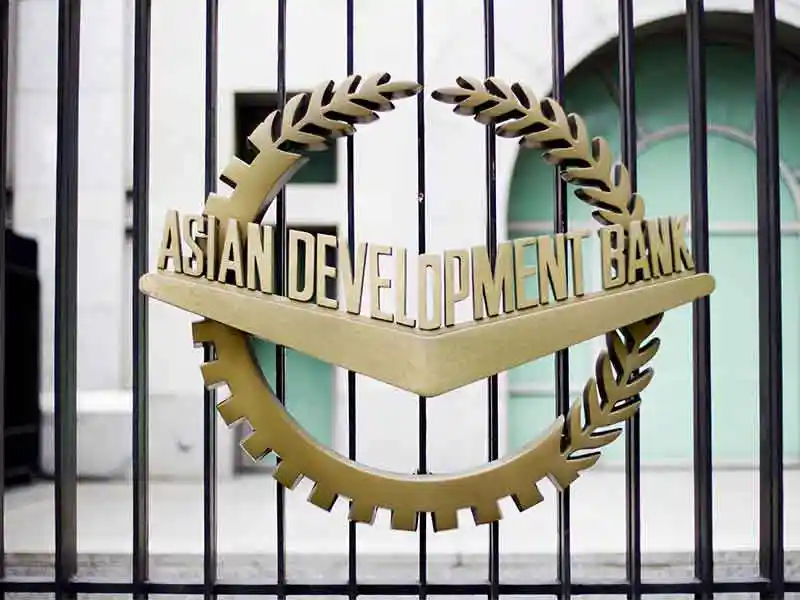
ADB Vice-President for Knowledge Management and Sustainable Development Bambang Susantono informed that urbanization has driven regional productivity growth, but opportunities in cities have not been available to all residents and are further limited by the Covid-19 pandemic. "Cities in Asia and the Pacific are among the largest and most vibrant in the world, with many experiences and best practices to share. The report collects these lessons and aims to guide cities to learn from common challenges and opportunities." Developing Asia is home to 17 of the 33 mega-cities with more than 10 million residents and more than half of the region's 4 billion populations lived in urban areas in 2019 and a billion more are expected to migrate to cities in the next 30 years. By 2050, the region's urbanization rate could reach 64 per cent. To plan for livable and sustainable cities that are people-centred and accessible, there is a need for governments to employ smart and inclusive planning, including policies that promote the use of technology, data, and innovation to make urban services -- mobility, social infrastructure, resilience management, and utilities among others -- more effective and efficient. For instance, using earth observation technology can help mitigate flood risks and better inform infrastructure projects.
Published on:
06 May 2021
Share:
We Value Your Comment