
Women in Construction Breaking Barriers Beyond the Drawing Board
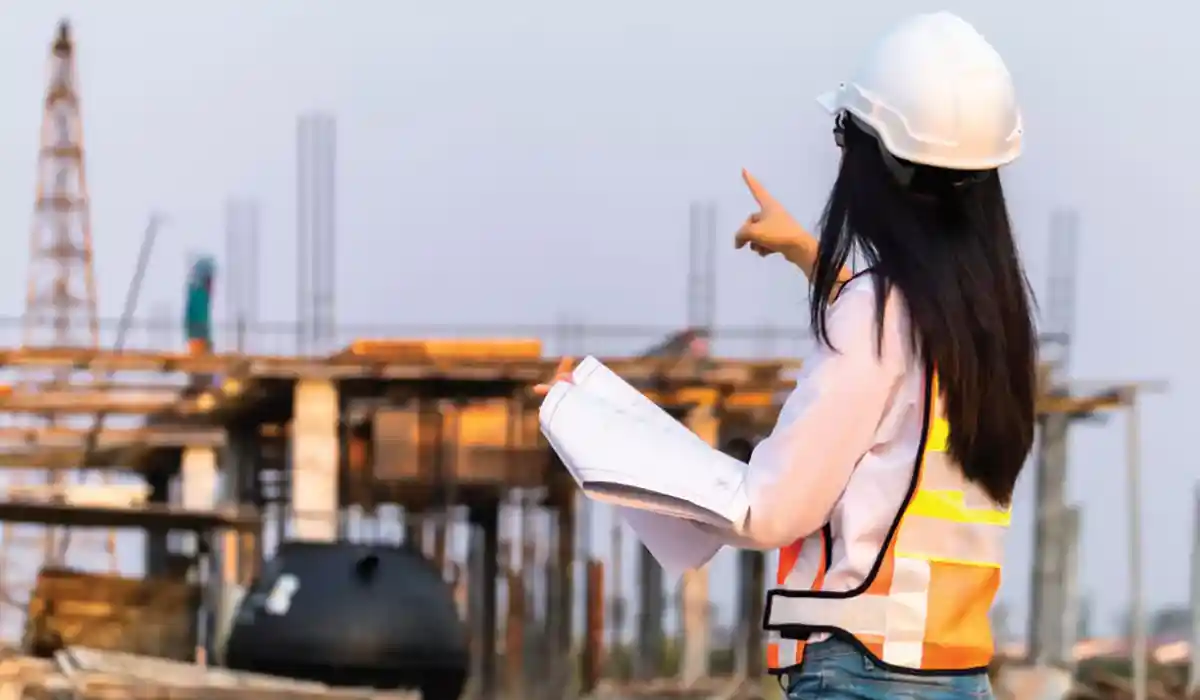
Women have long contributed to the construction sector, yet their presence in frontline construction site roles remains limited, despite the growing number entering civil engineering and construction management. In this article, Vivek Singh, Founder & MD, BuildStreet Project Management Services, examines the challenges, perceptions, and structural barriers behind this gap, while outlining the changes needed—from industry leadership, organizations, and women professionals themselves—to build a more inclusive and equitable construction ecosystem.
The construction industry has traditionally been seen as a male-dominated profession, particularly when it comes to field operations. Yet women have long been part of this sector in one form or another. From working on construction sites as labourers to contributing as engineers, architects, planners, and project managers, their presence has always existed—even if it has not always been adequately acknowledged.
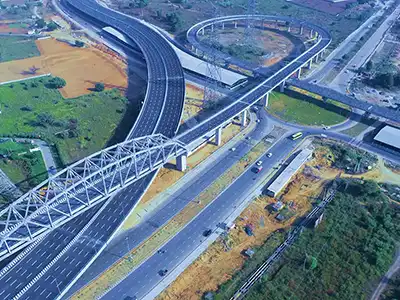
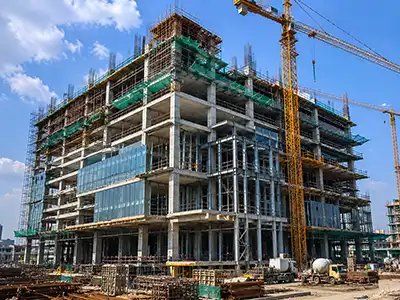
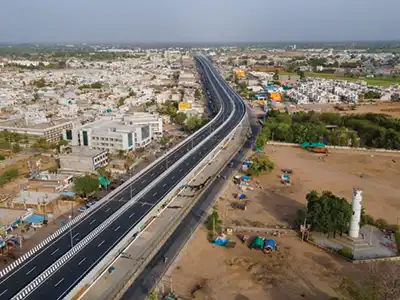
Today, as India witnesses rapid infrastructure development—highways, bridges, metro rail networks, and urban redevelopment—there is a growing number of women entering civil engineering and construction management. However, while many women engineers contribute significantly in design offices, consultancy firms, and research institutions, their presence at construction sites remains comparatively limited. Rarely do we see women engineers standing at the frontline of execution—supervising concreting, managing grading operations, coordinating site activities, or leading field teams.
This gap raises an important question: why are women engineers still under-represented at construction sites despite having the necessary qualifications and capabilities?
Women in Construction: Then and Now
Historically, women have always been present in the construction sector, particularly in the informal workforce. For decades they worked under extremely demanding conditions, performing tasks such as carrying materials, mixing concrete, breaking stones, and supporting masonry work. Their contribution was significant but often remained under-recognized and under-valued.Even today, women account for approximately over 25% of the total workforce in the Indian construction sector, yet the majority remain concentrated in low-paid, semi-skilled or unskilled roles within the unorganized segment.
In contrast, the modern era has seen increasing participation of women in professional roles such as civil engineers, architects, environmental specialists, project planners, and infrastructure managers. Improved access to technical education, digital tools, and corporate inclusion policies has enabled more women to enter the organized construction industry.
Despite these positive changes, the visibility of women in on-site engineering roles remains limited, which points to deeper structural and cultural challenges. This does not imply that the role of women as designers and planners is in any way lesser than that of frontline construction professionals; however, the reasons why women are rarely seen as site engineers remain a matter of concern. The reasons for this situation are often subtle rather than explicit.
Protective Mindset of Male Leadership

Ironically, what is presented as concern sometimes becomes a barrier. Instead of improving infrastructure at sites—such as sanitation facilities, safe transport, or grievance mechanisms—the simpler solution is often to prevent women from taking on field roles.
This approach unintentionally limits the exposure and professional growth of women engineers, particularly in an industry where practical site experience is essential for leadership positions.
Acceptance of Special Treatment
Another dimension of the problem lies in how such treatment is sometimes perceived. Certain conveniences—lighter assignments, reduced field exposure, or special arrangements—may initially appear as privileges.However, these privileges can gradually become structural limitations, restricting opportunities for women engineers to develop the practical skills required for site management.
True professional equality is not achieved by shielding someone from challenges, but by ensuring equal opportunities to face and overcome them.
Women Who Have Led the Way
Despite these barriers, many women have demonstrated exceptional leadership and technical competence in the construction and infrastructure sectors—whether in engineering design, project execution, research, sustainability, or industry leadership.Across India, women professionals are now contributing to major infrastructure initiatives, large engineering consultancies, urban development programs, and public sector projects. Their growing presence shows that when opportunities are available, women engineers perform with equal technical capability, innovation, and leadership.
These successes also highlight an important fact - the challenge is not capability—it is access, opportunity, and acceptance within the system.
What Needs to Change
Creating meaningful participation of women in construction requires change at multiple levels—organizational, cultural, and individual.Institutional Changes: Construction companies must ensure that project sites are equipped with basic facilities such as sanitation infrastructure, safe accommodation, grievance mechanisms, and workplace support systems. Establishing formal internal committees, gender-sensitivity policies, and clear anti-harassment frameworks is essential.
Infrastructure projects already demand strict compliance with safety standards; providing essential facilities for women should be treated with the same seriousness.
The prevailing mindset must change—from treating women as a liability to actively encouraging their participation and leadership in construction projects.
Cultural and Leadership Changes: Project leaders and supervisors must move beyond outdated assumptions about gender roles. Women engineers should be deployed at sites based on competence and interest, not restricted due to protective bias.
Encouraging mixed teams, mentorship programs, and leadership opportunities can significantly improve inclusivity within the sector.
What Women Themselves Must Do: Equally important is the role that women professionals must play in shaping their own space in the industry.
Women engineers should avoid presenting themselves as fragile, overly dependent, or in need of special protection. Accepting conveniences that limit professional exposure can unintentionally reinforce stereotypes.
Instead, women must confidently demand equal opportunities, equal responsibilities, and equal professional expectations.
They should actively advocate for legitimate workplace needs—such as proper sanitation facilities, workplace grievance mechanisms, fair deployment at sites, and safe working conditions—while firmly resisting discrimination or harassment wherever it occurs.
Standing up for professional dignity and equal treatment is essential for long-term progress. Courage, competence, and confidence must replace hesitation.
Miles to Cover
India’s infrastructure sector is expanding rapidly, with ambitious projects shaping the country’s future. To sustain this momentum, the industry requires not only advanced technology and engineering expertise but also diverse perspectives and inclusive leadership.Women engineers bring valuable insights, technical skill, and strong problem-solving capabilities to construction projects. Ensuring their presence at construction sites, where planning meets execution, is essential for building a truly progressive and equitable industry.
The journey is far from complete. There are still miles to go before the construction sector reflects genuine gender parity. But with structural reforms, supportive leadership, and confident participation from women professionals themselves, the industry can move closer to that goal.
The future of construction should not be defined by gender barriers, but by competence, dedication, and the collective ambition to build a better nation.
If some men excel in planning, some in design, and some in execution, how can it be assumed that no woman can excel in execution?
Salute to all women contributing to the construction sector and to the development of Bharat.
Published on:
09 March 2026
Share:
We Value Your Comment