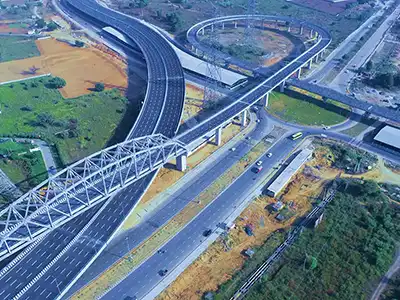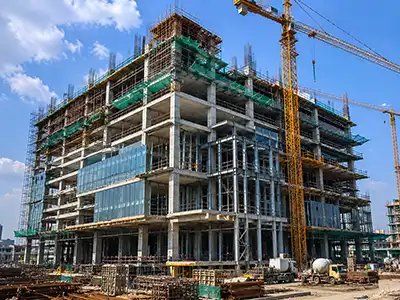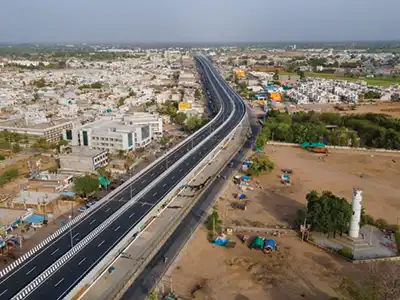
In today’s highway projects, L1 has become a race to the bottom, sometimes 30% below estimates, leaving contractors financially stressed and projects delayed.
Sanjay Kumar Nirmal
(Retd) DG (RD)&SS
MoRTH
Quality and Timelines at Risk
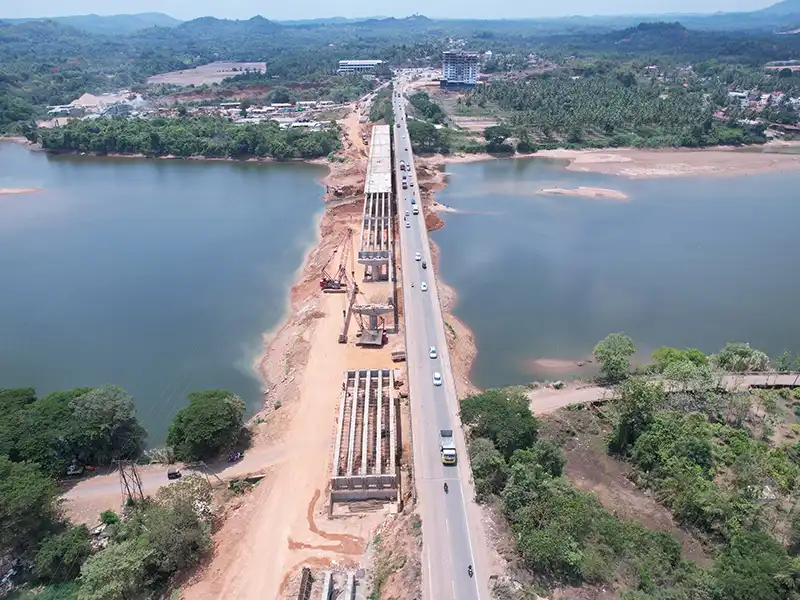
The “lowest bid wins” approach has been widely debated in India’s infrastructure sector, especially in highway projects. In recent years, bids have often been quoted 30% below estimates, even in NHAI projects. This has had serious consequences on both quality and timelines.Contractors quoting unrealistically low prices often cut corners on material quality, skilled labour, and safety measures. Many such projects are executed through large-scale sub-contracting to small contractors ill-equipped to deliver quality work, further compounding the problem. Durability suffers, leading to potholes, cracks, and frequent maintenance within a short time span. In fact, a large number of recent failures have been observed on roads and bridges even during the construction stage.
Timelines too are affected. Contractors who underquote struggle with cash flow issues, making it difficult to pay suppliers and workers on time. This results in stalled projects, re-negotiations, or even contract terminations. In some cases, firms deliberately bid low to secure work, expecting later cost escalations, disputes, or claims, which prolongs completion timelines and leads to litigations.
Unsustainable and Costly in the Long Run
L1 bidding also discourages sustainability. Since the focus is on the lowest initial cost, adoption of energy-efficient equipment, greener design, and environmentally friendly practices is ignored. Lifecycle costing is rarely considered, with emphasis only on initial CAPEX. Roads thus require more frequent repairs and maintenance, leading to higher total ownership costs and increased carbon footprint over time.Strained Contractors and Stifled Innovation
Another major drawback is the financial stress it imposes on contractors. Margins under L1 are extremely thin, leaving little buffer to absorb shocks such as fuel price hikes, labour shortages, or interest rate fluctuations. This increases the risk of insolvency, abandonment of projects, or compromised execution.L1 also discourages investment in innovation and modern technology. With no incentives, contractors avoid adopting advanced methods like precast construction, digital monitoring, or sustainable materials. This perpetuates a cycle of conventional practices rather than encouraging modernization of highway construction.
Towards Better Procurement Models
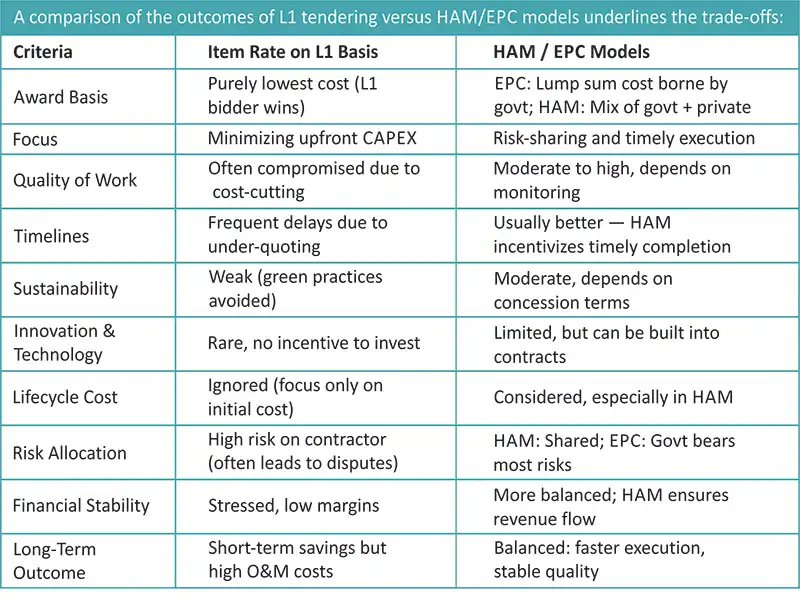
Thus, while L1 bidding ensures upfront cost competitiveness, it often results in compromised quality, delays, and unsustainable construction practices. Moving towards stricter contract management, lifecycle costing, and balanced procurement models like HAM and EPC is essential for sustainable highway development in India.