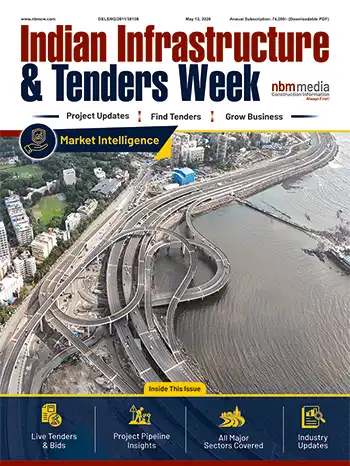
How human innovations shaped modern civilization — and the climate crisis

Human history is a story of innovation, ambition, and progress. From steam engines to artificial intelligence, every industrial revolution has transformed how we live, work, travel, and build societies. These innovations improved productivity, created wealth, connected nations, and elevated living standards across the world.
Yet behind this remarkable progress lies another story — the gradual change in climate – a modern-day crisis that has intensified over centuries through industrial expansion, fossil fuel consumption, urbanisation, and unsustainable resource extraction. Every industrial revolution brought extraordinary human advancement, but also increased environmental pressure on the planet.
Today, as the world faces rising temperatures, extreme weather events, pollution, and ecological degradation, it has become essential to understand the connection between industrial development and climate change — not to reject progress, but to redefine it responsibly.
Nature, Development, and the Human Dilemma
A recent visit to a treehouse retreat deep inside a forest triggered an important reflection for me. Surrounded by tall trees, clean air, birds, and untouched greenery, the experience felt peaceful and deeply connected to nature. Yet while admiring the beautifully constructed treehouse, I realised that the wood used to build it had come from trees. Somewhere, parts of the forest had been cleared to create a human experience.That moment symbolised humanity’s larger relationship with nature. From paper and timber to coal, steel, cement, and energy, human progress has always depended on natural resources. Civilization itself has been built through extraction, consumption, and transformation of nature.
The question is not whether development is necessary — it absolutely is. The real question is whether development can happen sustainably.
To answer that, we must revisit the industrial revolutions that shaped the modern world.
The First Industrial Revolution: Steam Power and the Beginning of Carbon Emissions
The First Industrial Revolution began in the late 18th century, primarily in Britain. Before this era, most societies depended on agriculture and manual labour. Production was small-scale, slow, and localised. The invention of the steam engine changed everything.Powered by coal, steam engines revolutionised factories, transportation, and manufacturing. Trains, ships, and industrial machinery dramatically increased production capacity and economic growth. Cities expanded rapidly as industries attracted workers from rural areas. Coal became the foundation of industrial civilisation.
However, coal combustion released large amounts of carbon dioxide and pollutants into the atmosphere. At the time, environmental impacts were poorly understood. Industrial growth was celebrated as a sign of prosperity and modernity. This revolution marked the beginning of large-scale greenhouse gas emissions — laying the foundation for today’s climate crisis.
The Second Industrial Revolution: Electricity and Mass Industrialisation
The Second Industrial Revolution, spanning the late 19th and early 20th centuries, introduced electricity, mass production, and modern manufacturing systems.Scientific breakthroughs by pioneers such as Michael Faraday, Thomas Edison, and Nikola Tesla transformed industries and daily life. Electricity enabled factories to operate more efficiently and beyond daylight hours. Homes adopted electric lighting and appliances, dramatically improving living conditions. Industrial production accelerated on an unprecedented scale. Yet this progress still relied heavily on fossil fuels.
Coal-powered electricity generation expanded rapidly, increasing industrial emissions worldwide. Urbanisation intensified energy demand, and environmental degradation continued largely unchecked.
Industrialisation was reshaping civilisation — but also altering the Earth’s atmosphere.
The Third Industrial Revolution: Computers, Automation, and Global Connectivity
The mid-20th century ushered in the digital age through computers, electronics, and information technology. The invention of microprocessors made computers smaller, faster, and affordable. Businesses, industries, governments, and households embraced digital systems. Automation improved manufacturing efficiency, while the internet revolutionised communication and global connectivity.The Third Industrial Revolution accelerated economic globalisation and consumer culture. Factories became more productive, but industrial supply chains expanded dramatically. Data centres, electronics manufacturing, telecommunications infrastructure, and transportation systems increased global energy consumption. While digitalisation improved efficiency, it also intensified dependence on electricity and resource-intensive technologies, much of which continued to rely on fossil fuel-based energy systems.
The Fourth Industrial Revolution: Urbanisation, Mobility, and Infrastructure Growth
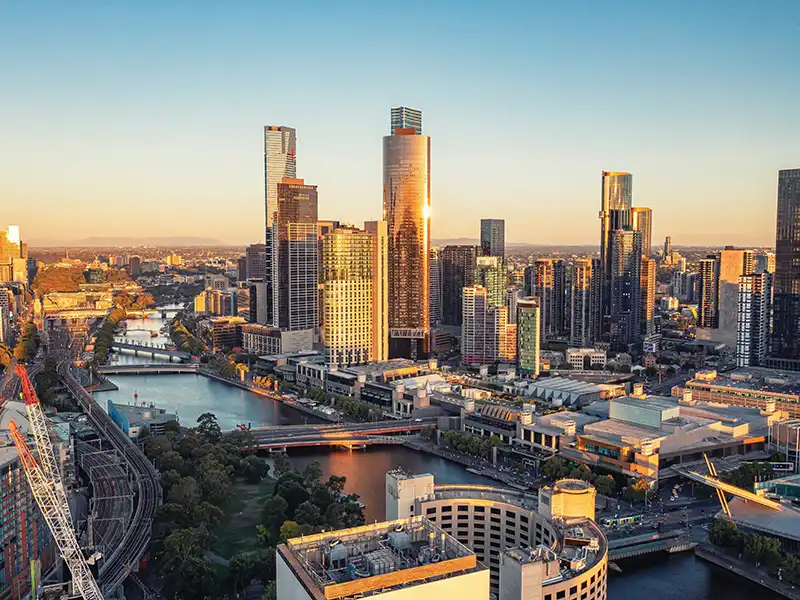
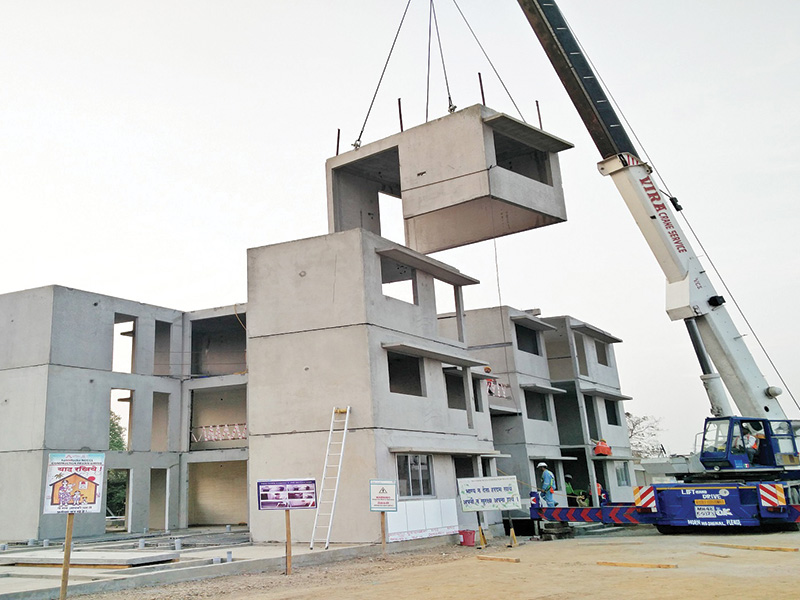
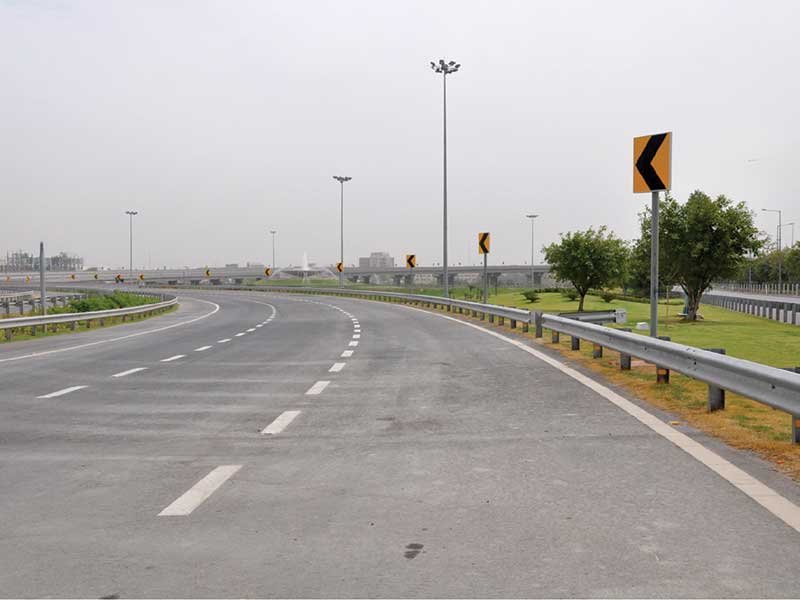
Modern civilisation has been profoundly shaped by transportation and infrastructure development. Cars, trucks, buses, aircraft, highways, bridges, and skyscrapers transformed economies and connected societies. Global trade flourished as logistics networks expanded worldwide. However, transportation remains one of the largest contributors to greenhouse gas emissions. Petrol and diesel-powered vehicles release significant amounts of carbon dioxide into the atmosphere. At the same time, rapid urbanisation created enormous demand for cement, steel, and energy-intensive construction materials.As a professional associated with the construction materials industry, I recognise the dual reality of infrastructure development. Cement and steel are essential for economic growth, housing, transportation, and national development. Yet their production processes are energy intensive and carbon-emitting. Buildings themselves consume vast amounts of electricity for lighting, cooling, heating, and operations. Modern urban living depends heavily on energy consumption. The Fourth Industrial Revolution improved human mobility and living standards, but it also deepened the environmental footprint of development.
The Emerging Fifth Industrial Revolution: Technology with Sustainability
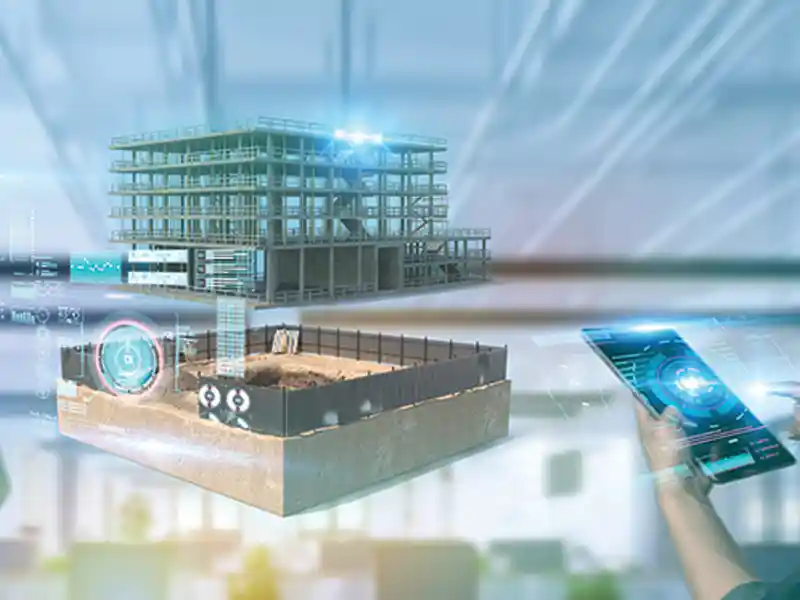
Today, the world is entering a new phase driven by artificial intelligence, robotics, renewable energy, and sustainability-focused innovation. Unlike earlier industrial revolutions that prioritised production and economic expansion, this emerging revolution increasingly emphasises balance between growth and environmental responsibility.Artificial intelligence is helping monitor climate risks, predict disasters, optimise energy systems, and reduce industrial inefficiencies. Robotics and automation are improving agricultural productivity while conserving water and resources. Renewable energy technologies such as solar, wind, battery storage, and green hydrogen are accelerating the global transition away from fossil fuels. Electric mobility is expanding rapidly, and industries are investing in low-carbon technologies to reduce emissions.
However, even advanced technologies require energy and resources. Data centres, AI systems, and digital infrastructure consume substantial electricity. Therefore, the sustainability of future development depends on ensuring that clean energy powers future innovation. The future of industrialisation must be intelligent, inclusive, and sustainable.
Climate Change: The Defining Challenge of Our Time
The cumulative impact of centuries of industrial activity is now visible across the world. Rising global temperatures, heat waves, floods, droughts, melting glaciers, biodiversity loss, and pollution are no longer distant concerns — they are present realities affecting millions of people.Nature, which has always sustained humanity through air, water, food, and ecosystems, is now under immense stress. Ironically, humanity now finds itself trying to protect the very environment that once protected us unconditionally. This moment demands reflection and responsibility.
Climate Action: Redefining Progress for the Future
Industrial revolutions brought undeniable benefits to humanity. They created modern economies, improved healthcare, enabled mobility, advanced communication, and transformed living standards. The solution is not to reject industrialisation or technological progress. The solution is to pursue development differently.Climate action requires governments, industries, businesses, engineers, researchers, and citizens to work together toward sustainable growth. This includes:
- Transitioning to renewable energy
- Improving energy efficiency
- Reducing industrial emissions
- Promoting sustainable construction materials
- Encouraging circular economy practices
- Conserving forests and biodiversity
- Supporting green innovation and climate-conscious technologies
Concluding remarks
The future depends on whether humanity can balance economic growth with environmental stewardship. The next industrial revolution must not only be about technological advancement — it must also be about ecological responsibility.Because true progress is not measured solely by economic output or industrial capacity. True progress is measured by our ability to create a better future while preserving the planet for generations to come.