Concrete curing plays a decisive role in determining the durability, strength, and long-term performance of concrete products. Yet, it is often underestimated. In my view, curing, especially when approached in a controlled and accelerated manner, has the potential to address several persistent challenges that the construction and precast industry continue to face today.Stronger concrete begins with better curing. Accelerated, energy-efficient systems help reduce energy use, improve early strength, and ensure long-term durability—supporting consistent quality and more efficient production.
André Dienst
Managing Director, Curetec
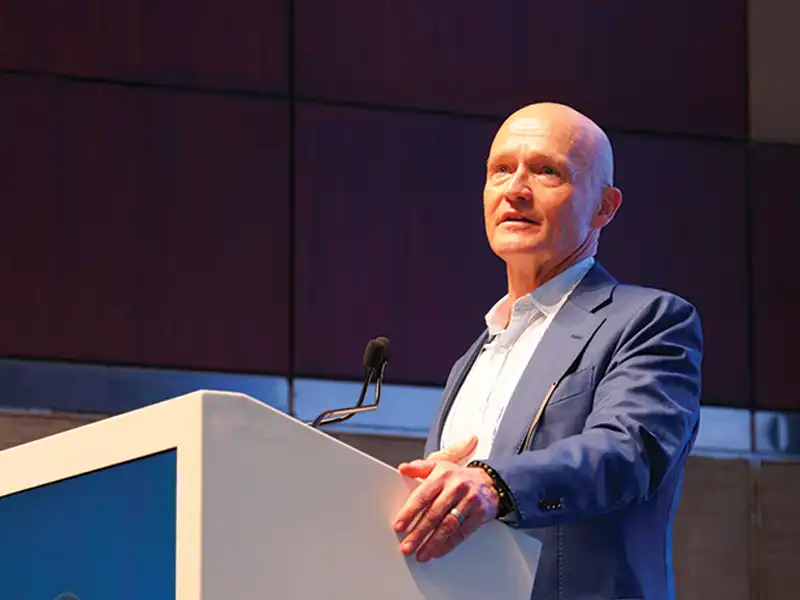
With over four decades in the precast industry and a focused engagement in concrete curing in recent years, I believe that curing goes far beyond equipment—it is about helping producers improve quality, increase efficiency, and achieve better economic returns. For me, the objective is not simply to supply systems, but to ensure that users benefit from them in a meaningful way by producing better products, avoiding losses, and ultimately improving profitability.
Getting the first 10 to 12 hours right determines the long-term performance and durability of concrete
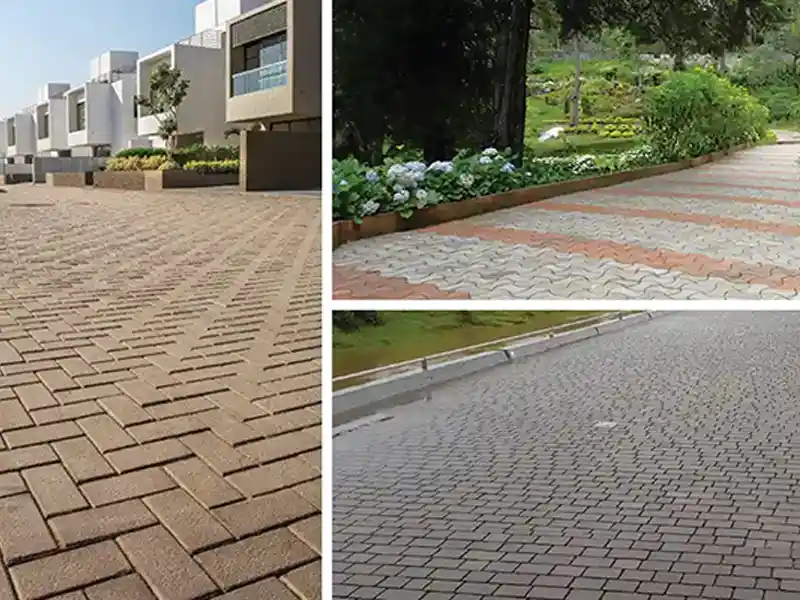
If a pavement is expected to last 30, 40, or even 50 years, its performance is largely determined in the first 10 to 12 hours after production. This is where everything is decided. If curing is not carried out correctly during this period, the durability and long-term performance of the entire structure are compromised right from the start.One of the realities we still see across the industry is that curing, if applied at all, is often carried out using conventional methods that are both energy-intensive and inconsistent. Accelerated curing typically relies on high energy consumption, often driven by fossil fuels. In some cases, I have even seen the continued use of coal, which is clearly not sustainable. At the same time, inconsistent curing results lead to issues such as efflorescence and weakened surfaces. Poor curing not only affects the appearance of the product but also results in early-age breakage, long-term deterioration, and reduced overall performance.
Improving efficiency, quality, and cost optimization through energy-intensive practices, smart and sustainable systems
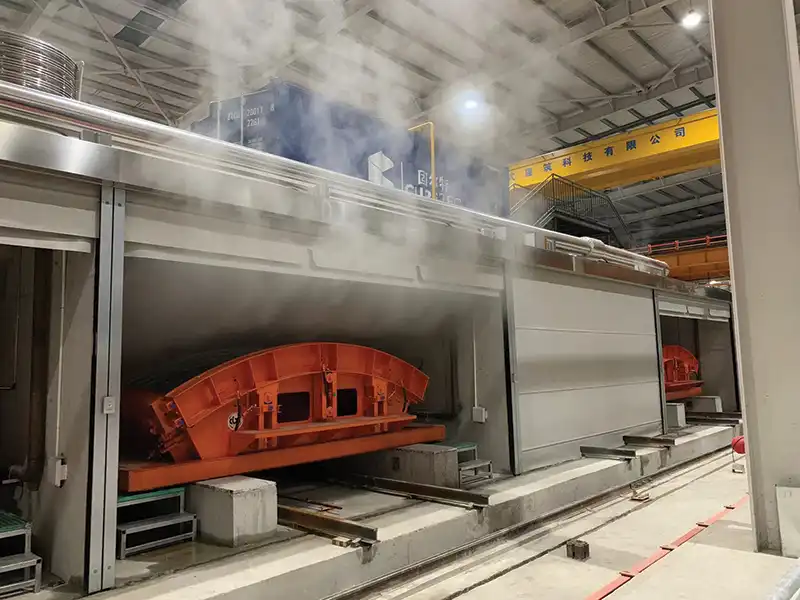
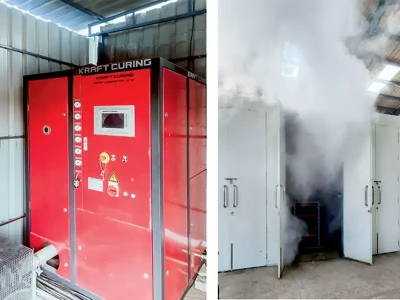
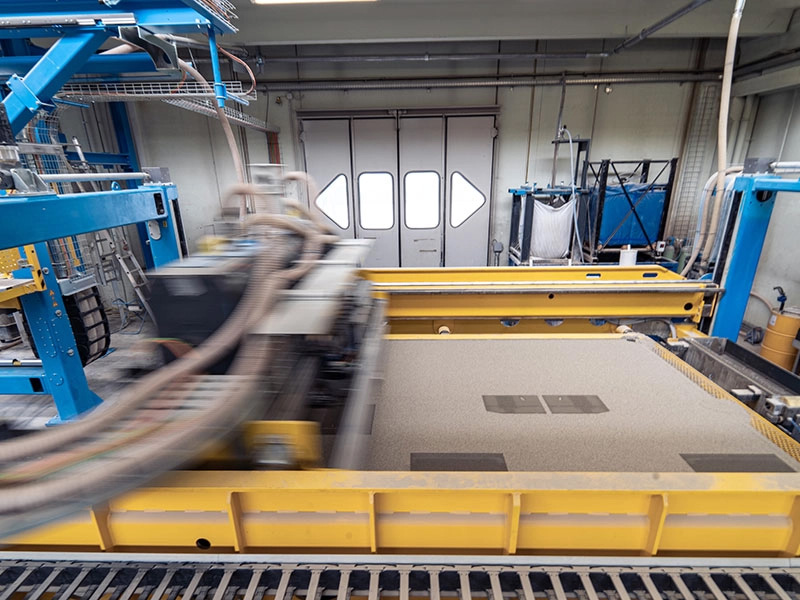
Another important aspect is system adaptability. In machine-made concrete production, we typically deal with three types of products: dry-pressed products, wet-pressed products, and wet cast products. Each of these comes with different curing requirements. Dry-pressed products require precise humidity control because they contain limited internal moisture for cement hydration. Wet-pressed products are more temperature-sensitive and require energy input rather than additional humidity. Wet cast products already contain sufficient water, and here the focus shifts to controlled heat applications to achieve faster production and consistent quality. A well-designed curing system must be capable of addressing all these requirements within a unified framework.
Energy efficiency is a major advantage of modern curing technologies. Traditional systems operate with high energy consumption and limited recovery of heat. Even when improvements are made, such as better boiler technologies, the overall efficiency gains remain limited. In contrast, advanced curing systems recycle the energy introduced into the process and supply only what is additionally required. This approach can lead to overall energy savings of around 30 percent, which is significant from both a cost and sustainability perspective.
Advanced curing technologies are enhancing product quality and profitability.
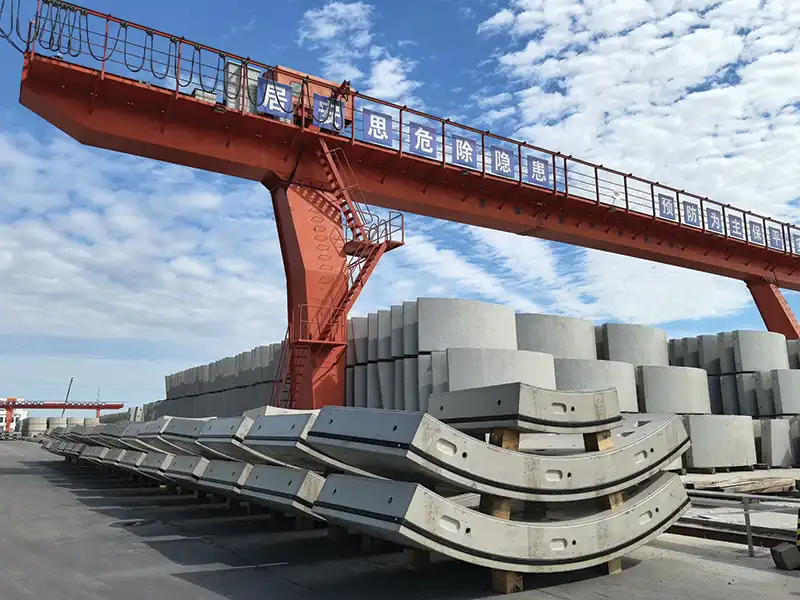
This improvement is largely driven by enhanced cement hydration. When proper humidity and temperature are maintained, the hydration process becomes more complete, leading to stronger and more durable products. Without controlled curing, moisture escapes during the early hours, limiting hydration and reducing surface strength. By ensuring the right conditions, it is even possible to optimise cement usage, as better hydration allows for reduced cement content without compromising performance.
From an investment perspective, it is important to recognise that curing systems can be implemented in a modular manner. Producers can start with a basic setup and gradually expand as their operations grow. The next stage involves integrating sensors and automation to ensure consistent performance. This can be followed by the adoption of renewable energy sources and, eventually, full automation of the curing process.
Curetec’s smart control platforms provide complete visibility and control over the curing process.
To support this progression, we have developed smart control platforms that provide complete visibility and control over the curing process. These systems collect detailed energy consumption data, allow the creation of multiple curing recipes for different products, and provide maintenance alerts through digital channels such as email or mobile notifications. All operational data remains accessible online, enabling better decision-making and improved system reliability.By adopting modern curing technologies, the Indian industry can strengthen its competitiveness.
Looking ahead, I see a significant opportunity for India to benefit from these advancements. By adopting modern curing technologies, the industry can reduce energy consumption, improve product quality, and strengthen its overall competitiveness. In this context, I am pleased to share that Curetec has recently signed a cooperation agreement with Apollo Inffratech, marking an important step towards establishing a stronger presence in India. This collaboration will enable us to bring our technologies closer to the market, with plans to eventually manufacture our equipment locally.Concrete curing is not just a process—it is a critical factor that determines the success of concrete products. By focusing on sustainability, efficiency, and quality, the industry can unlock significant value and build a more resilient future.
As the industry evolves, customer expectations are also changing. In more developed markets, clients are increasingly focused on value — seeking products that offer durability, consistency, and long-term performance. Producers who adopt advanced curing technologies early are better positioned to meet these expectations. They can improve productivity, enhance efficiency, and maintain competitive pricing even in challenging market conditions.
Curetec and Apollo Inffratech Announce Technical Partnership to Advance Curing Solutions in India
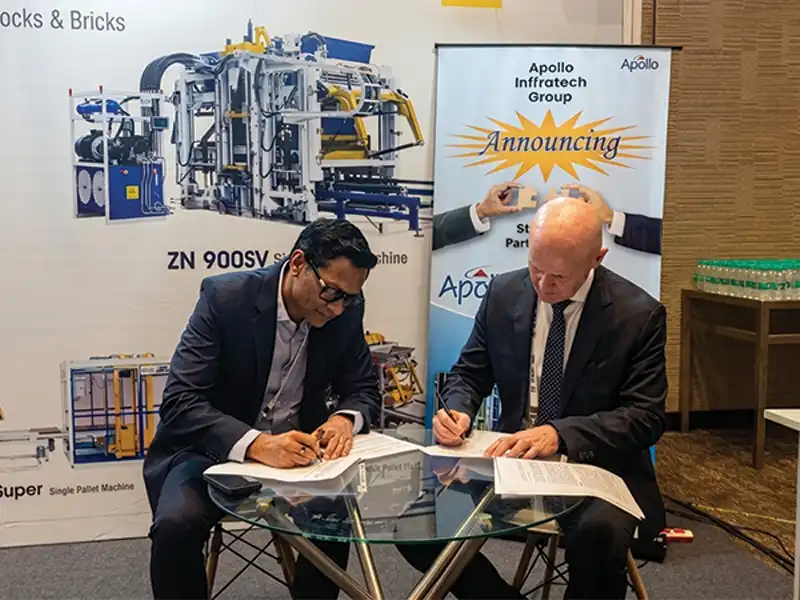
Curetec is known for its project-specific, technology-driven curing solutions that enable controlled temperature, humidity, and air circulation to ensure consistent quality, durability, and faster production of concrete products across diverse applications. Apollo Inffratech brings strong manufacturing capabilities and a wide portfolio of concrete construction equipment, catering extensively to India’s infra developments.
The partners expressed optimism about the collaboration in view of India’s rapid infrastructure growth and increasing demand for advanced and efficient curing technologies as key drivers for this strategic partnership. The curing systems will initially be supplied from Shanghai, with plans to localize manufacturing in India in the near future.