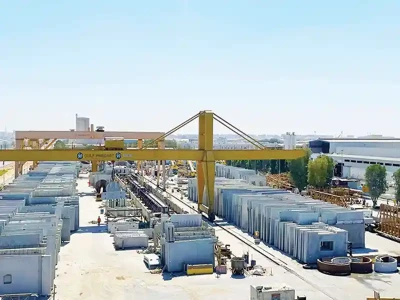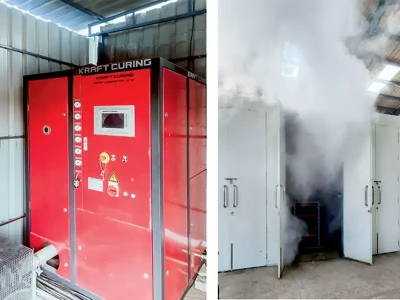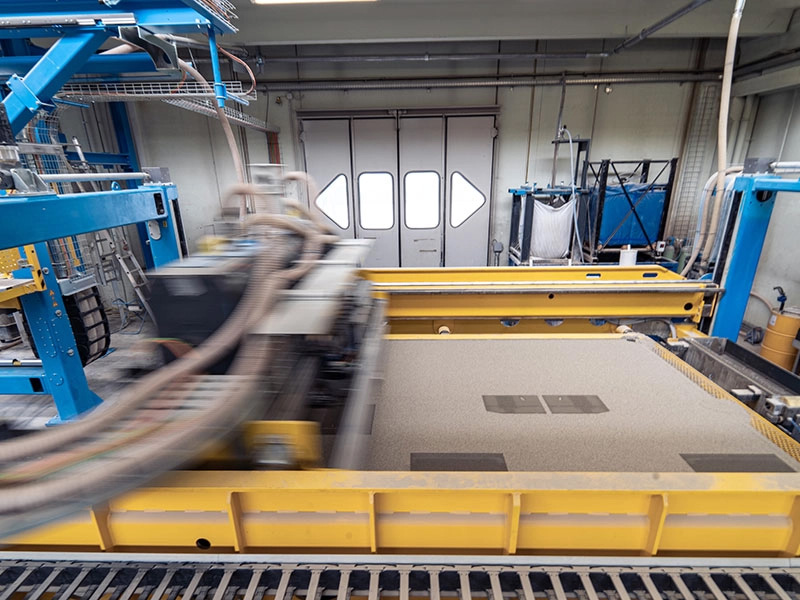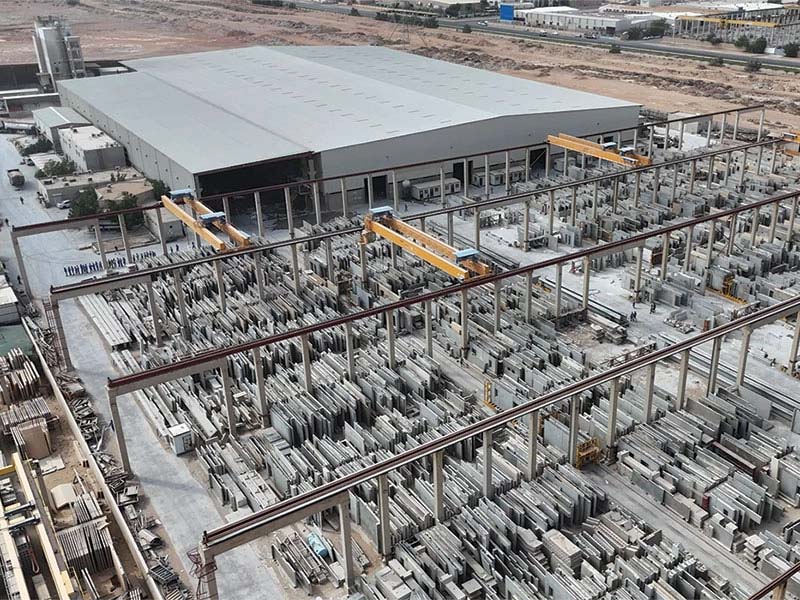

By shifting building processes off-site into controlled environments, Elematic demonstrated how precast and prefabrication technology can dramatically streamline execution—reducing site manpower requirements by up to 60% and enabling 5-to-7-day slab cycles. Currently, precast accounts for approximately 1% of India’s construction value but is growing at an estimated 9–12% annually. This highlights significant room for growth and adoption as the Indian market continues to evolve. "Construction needs a fundamental shift from site-based building to industrialized manufacturing," said Teppo Voutilainen, Chief Executive Officer, Elematic. "Treating the building process as a repeatable and scalable product allows us to deliver factory-made precision, zero-defect handovers, and significantly faster delivery timelines."
Key Industry Megatrends Driving Shift
The session outlined four critical global trends making industrialized construction essential:- Urbanization & Housing Demand: With 45% of the global population living in urban centers, emerging markets like India require massive expansion in housing and infrastructure.
- Low-Carbon Construction: The sector accounts for 37% of global CO₂ emissions and half of all raw material extraction, creating a pressing need for resource-efficient precast methods.
- Demand for Higher ROI: Modular and off-site assembly can compress construction schedules by 20% to 50% compared to conventional methods.
- Structural Labor Shortages: Growing demand continues to outpace the available supply of skilled labor, making workforce availability a critical bottleneck for scaling projects.
Streamlined Engineering and Precast Benefits
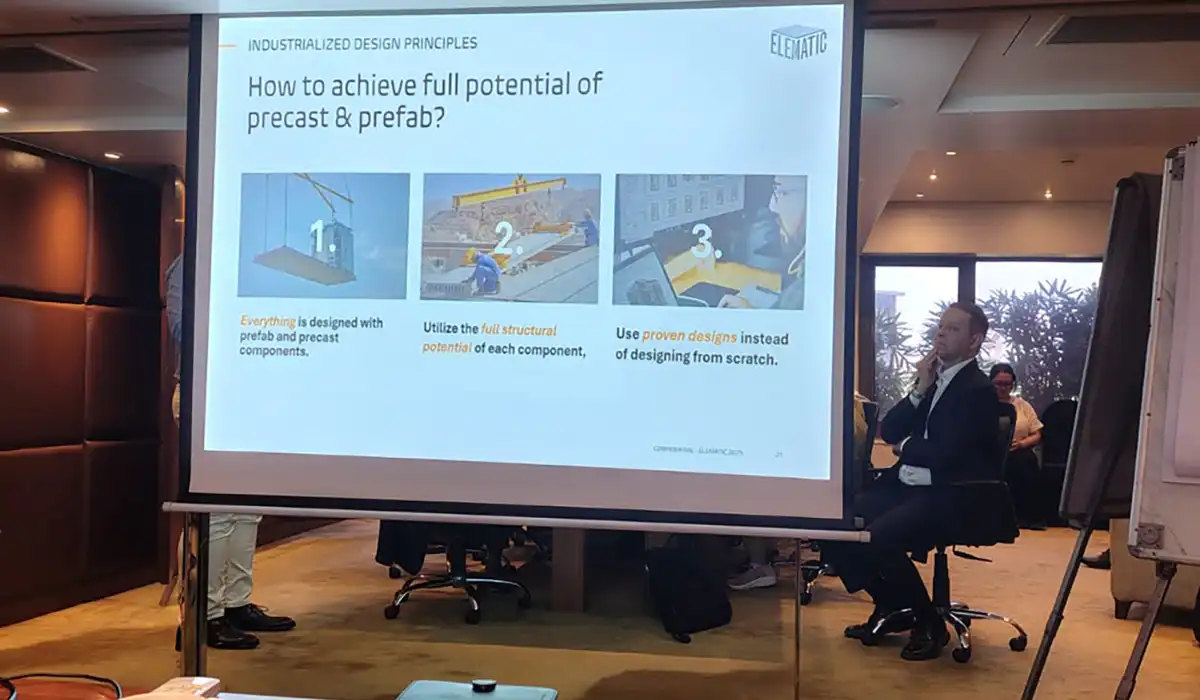
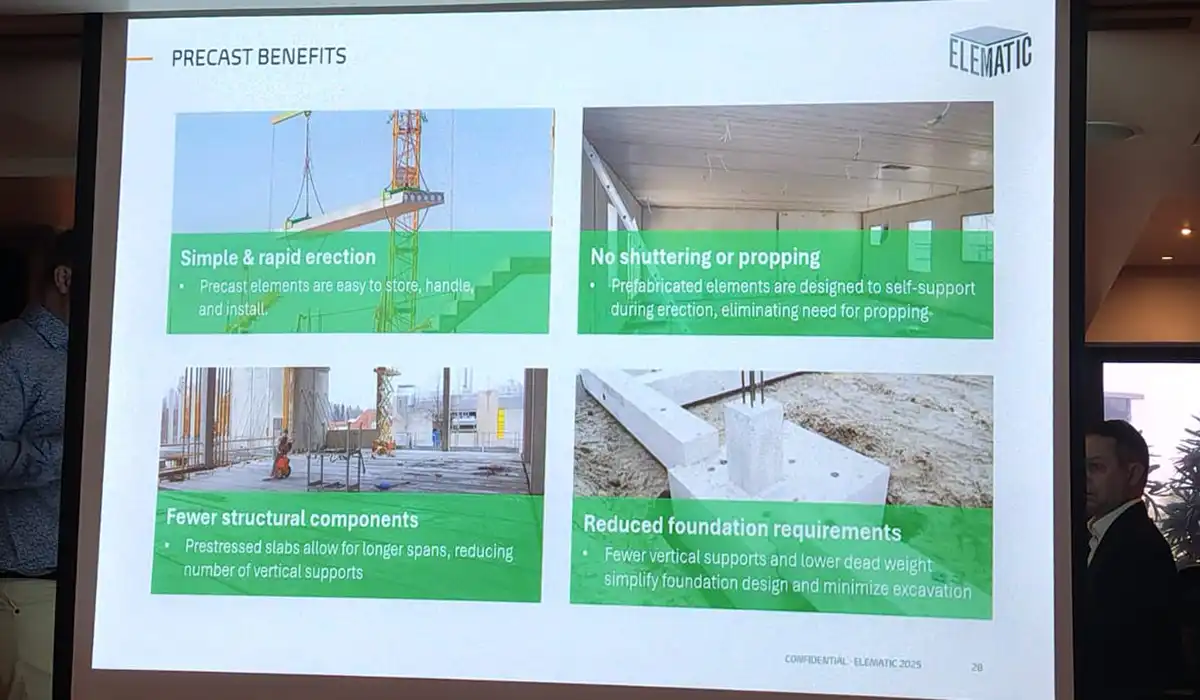
Elematic emphasized core industrialized design principles: designing entire structures with precast components from inception, utilizing the full structural capacity of each element, and leveraging proven standardized designs rather than building from scratch. Designing for precast serves as an enabler within this broader model by integrating design, manufacturing, transportation, and assembly from the earliest stage. By adopting precast wall panels, prestressed floor slabs, and precast stair elements, projects benefit from:- Simpler and rapid erection
- Elimination of temporary shuttering or propping
- Reduced dead weight and simplified foundation designs that minimize excavation