
Over the past five years, around Rs 19,700 crore has been invested in wildlife mitigation infrastructure and related environmental protection measures across National Highway projects. These interventions aim to address habitat fragmentation, barriers to wildlife movement and wildlife-vehicle collisions while maintaining safe traffic movement.
NHAI’s mitigation planning considers the ecological sensitivity of project corridors, wildlife movement patterns and the technical feasibility of infrastructure design. This approach allows measures to be tailored to the ecological and engineering requirements of individual highway corridors.
More than 2,150 wildlife mitigation structures have been constructed or proposed along National Highways across India. These include animal underpasses, animal overpasses, major and minor bridge-cum-animal underpasses, culverts adapted for wildlife movement, canopy crossings and other specialised structures. The framework also covers non-structural measures such as signage, fencing and speed regulation.
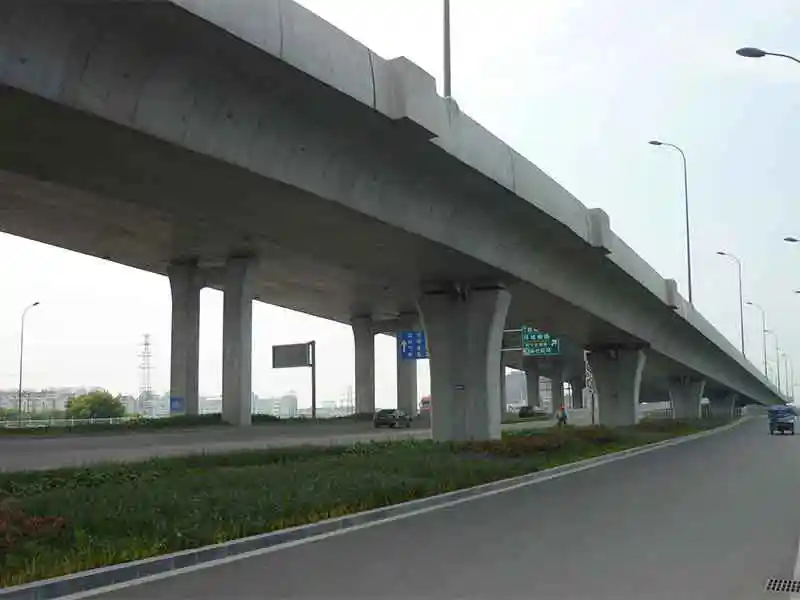
Of the total investment, around Rs 4,600 crore has been allocated to animal underpasses, Rs 650 crore to animal overpasses, Rs 8,300 crore to viaducts, Rs 2,800 crore to tunnels, Rs 2,500 crore to major bridges and Rs 500 crore to minor bridges. These structures are designed to facilitate wildlife movement across highway corridors and maintain connectivity between habitats.
NHAI has also implemented measures to minimise disturbance and improve habitat conditions, including noise barriers, reptile crossings, rainwater harvesting and other wildlife management interventions. Guide fencing and noise barriers have been provided along more than 300 km of National Highway alignments to direct animals towards designated crossing structures and reduce the risk of wildlife-vehicle conflicts.
Monitoring mechanisms, including camera trapping, are used to assess wildlife movement and support periodic evaluation of mitigation measures. NHAI also identifies wildlife-vehicle collision hotspots and provides speed-regulation boards and signage to reduce risks to animals and road users.
The document emphasises collaboration between conservation organisations and agencies involved in highway development. It outlines an approach to incorporating wildlife mitigation measures at different stages of project planning and implementation, while addressing biodiversity conservation and statutory environmental compliance requirements.
The document, available on the NHAI website, serves as a reference framework for wildlife mitigation measures and structures being adopted across National Highway projects. It reflects the authority’s efforts to balance infrastructure development and connectivity with environmental sustainability and wildlife conservation.