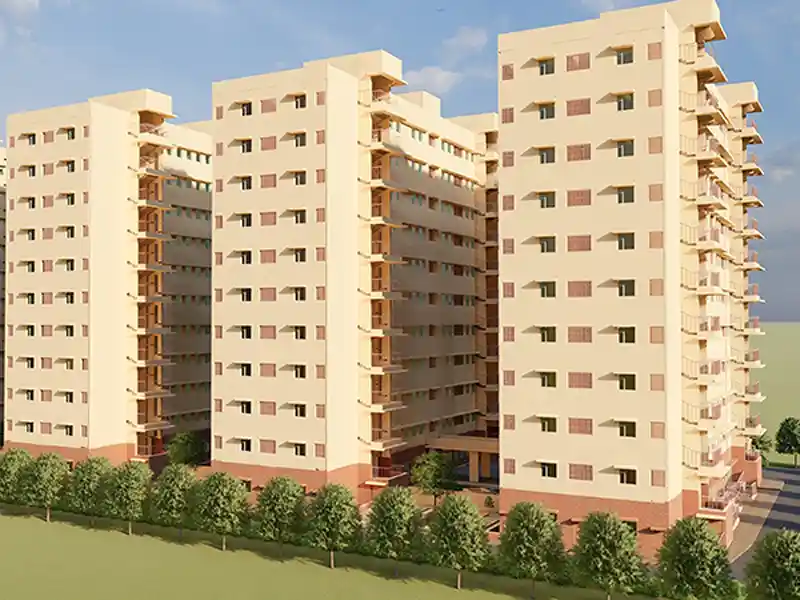
The hostel is being developed over a built-up area of around 5.53 acres and comprises a 10-storey structure with multiple residential wings. The design emphasises optimal space utilisation, natural light, ventilation and a balance between privacy and community living. The complex will include recreational, administrative and utility facilities in line with the standards of a premier institute such as IIT ISM.
The project, titled Construction of 10 Storied Building for 800 Boys Hostel at IIT ISM Dhanbad, has been designed by Benjamin Benjamin and Vats Architects Engineers and Urban Planners. Spread across a project area of 21 acres, Ramacivil India is the construction partner for the initiative. The total project value is Rs 166,20,75,200, which also includes multiple residential facilities planned under Phase 2 and Phase 3. The work is currently ongoing.
By undertaking this prestigious assignment, Ramacivil India further strengthens its portfolio of large-scale institutional projects, contributing to nation-building through robust and future-ready infrastructure. Commenting on this, Mr. Parveen Gupta, Director, Ramacivil India Constructions, added “This project is a meaningful step in strengthening Jharkhand’s educational and infrastructure landscape and in supporting IIT (Indian School of Mines) Dhanbad’s vision of offering world-class facilities to its students. At Ramacivil India, projects like this represent a promise to the nation’s future, and we take pride in delivering safe, sustainable, and efficient infrastructure that nurtures young talent and strengthens the foundations of national growth.”
The hostel has been conceived as a comprehensive residential ecosystem, combining safety, functionality, and student well-being. The ground floor accommodates critical infrastructure including a centrally monitored BMS and Fire Control Room, along with administrative offices, a Warden Room, and a designated visitor waiting area to ensure efficient operations and security. Student-focused common amenities include a cafeteria, two TV rooms, and an indoor recreation zone with four table tennis tables, fostering community engagement beyond academic hours. The complex further includes washrooms with provisions for Persons with Disabilities (PH), three badminton courts, landscaped green courtyards with water bodies, an underground water tank, and dedicated parking for bicycles and two-wheelers, underscoring a sustainable and inclusive design approach. The typical residential floors are efficiently planned with 10 rooms per wing on each floor, accommodating 20 beds per wing, contributing to a total capacity of 800 beds across the hostel. To support student convenience and day-to-day living, two drying balconies are provided on every floor in each wing, amounting to a total of 80 drying balconies, ensuring adequate ventilation and functional utility across the building.