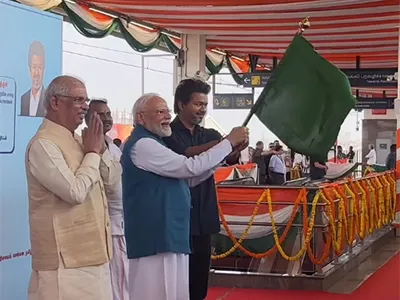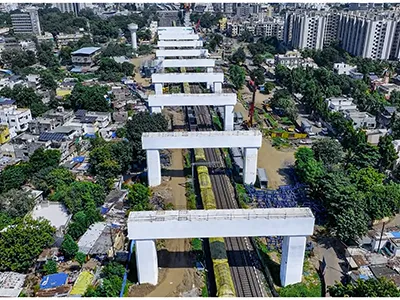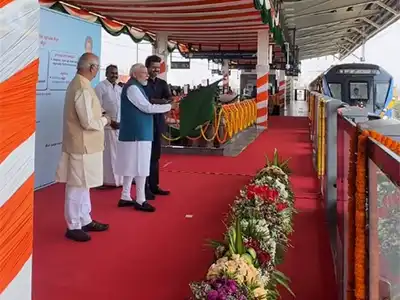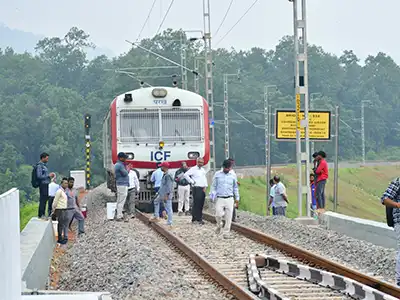
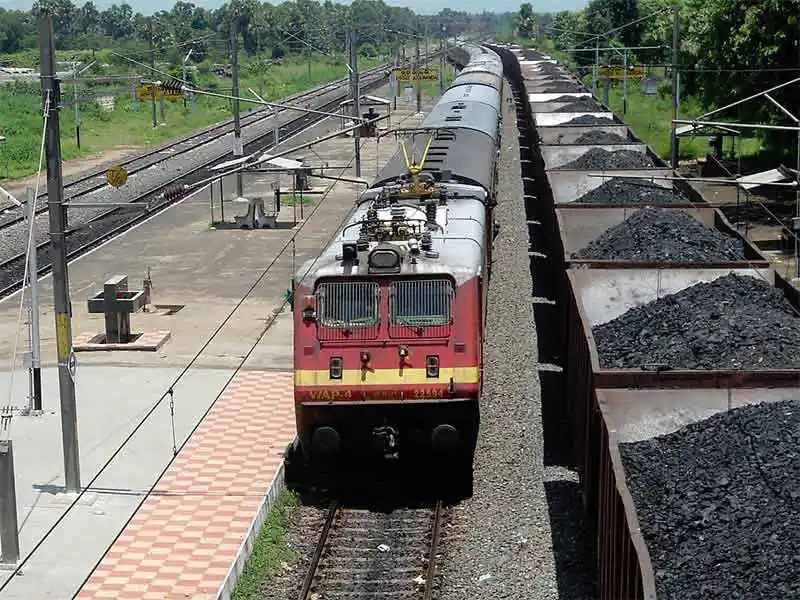
The Kiul–Jhajha section forms part of Indian Railways’ High Traffic Density Network and is expected to strengthen both passenger and freight transportation across eastern and northern India.
The Union Minister for Railways, Shri Ashwini Vaishnaw stated that the Kiul-Jhajha 3rd Line Project will significantly enhance capacity on the heavily utilised Howrah-Delhi corridor and help improve punctuality and operational flexibility of train services. He said the additional line infrastructure will facilitate seamless movement of passenger and freight trains while supporting industrial growth and trade connectivity across the region.
At present, the existing double line section between Kiul and Jhajha is operating beyond optimal capacity utilisation, while traffic demand on the corridor is expected to increase further in the coming years, necessitating additional infrastructure augmentation. The proposed 54 km third line project will significantly improve line capacity, reduce congestion and facilitate smoother movement of both passenger and freight trains. The project will strengthen connectivity between Patna and Kolkata, while also supporting freight movement linked to major industrial and logistics hubs across Northern and Eastern India.
The route also provides critical connectivity between Kolkata/Haldia ports and Raxaul/Nepal, and handles substantial freight traffic associated with key industrial establishments including Barh STPP, Jawahar STPP and Birganj ICD. The section has been identified under the High Traffic Density Network Corridor of Indian Railways.
With rising traffic demand on this strategic corridor, the project is expected to provide long-term infrastructure support for both passenger and freight operations. The enhanced connectivity and additional carrying capacity will contribute towards more efficient logistics movement, reduced congestion and improved rail transport reliability between key economic centres of Eastern and Northern India.