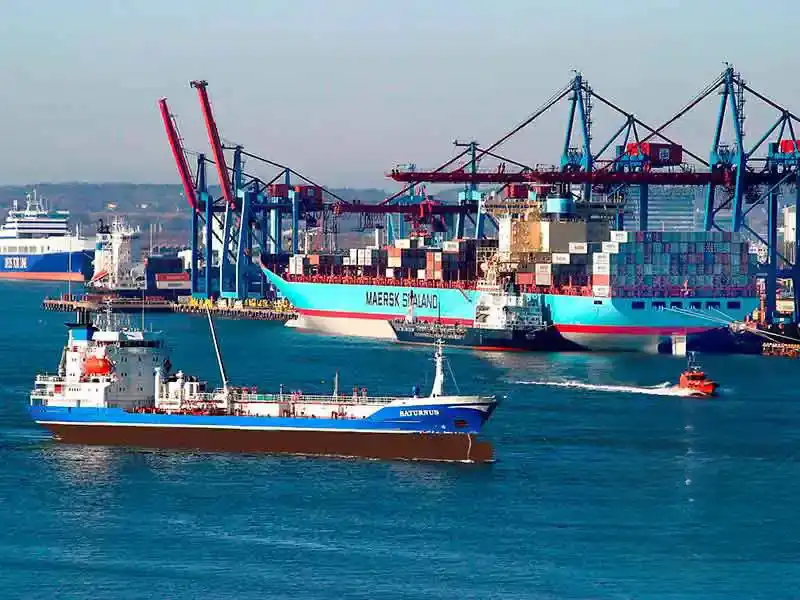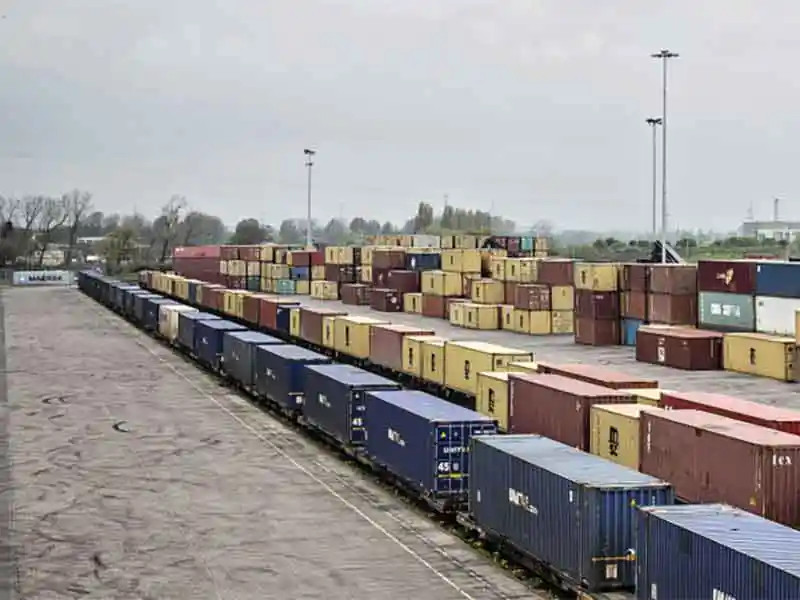
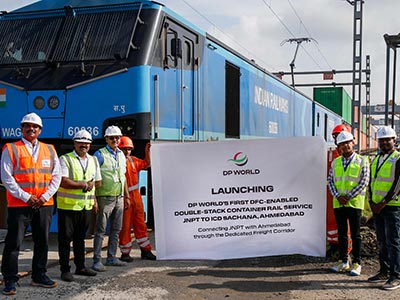
Hemant Kumar Ruia, Country Manager, Subcontinent (India), DP World, said the expansion of double-stack rail connectivity through the DFC would help improve logistics efficiency and enable businesses to move cargo more cost-effectively between ports and key markets, while building resilient supply chains.
Adhendru Jain, Vice President – Rail & Inland Terminals – SCO, DP World, said the expansion aligns with the objectives of India’s National Logistics Policy and PM GatiShakti to develop an integrated, multimodal logistics ecosystem. He added that connecting JNPA with DP World’s inland network across NCR and Gujarat would provide customers with greater rail capacity, more efficient cargo movement and improved supply chain reliability.
The services are expected to benefit key production and consumption clusters across Gujarat and North India, particularly in the automotive, engineering, manufacturing, pharmaceutical, chemical, textile and home-furnishing sectors. Greater use of rail transport is also expected to support a more sustainable logistics network by reducing dependence on road transportation.