The Western DFC extends 1,506 km from Dadri in Uttar Pradesh to Jawaharlal Nehru Port near Mumbai, while the Eastern DFC covers 1,337 km from Ludhiana in Punjab to Sonnagar in Bihar. The network is designed to separate freight and passenger traffic and improve the speed, capacity and reliability of goods movement.
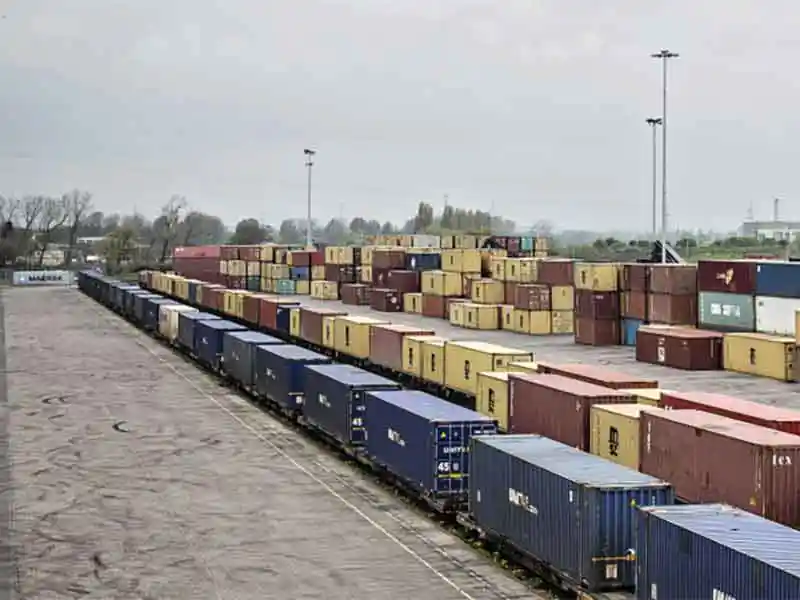
The corridors feature double tracks, automatic signalling, higher axle-load capability and double-stack train operations. On the Western DFC, high-clearance overhead electrification enables double-stack container trains to carry significantly larger volumes of cargo in a single movement.
Indian Railways estimates that the DFC network can handle more than 120 trains in each direction. The network was carrying around 443 freight trains a day when the final Western sections were inaugurated.
The biggest economic impact is expected to come from lower transit times and greater predictability in freight movement. Average container train transit time on DFCs is around 2.44 hours per 100 km, compared with 5.25 hours on the conventional network. For coal trains, the corresponding figures are around 3.15 hours and 6.48 hours.
More predictable freight movement can also reduce the amount of inventory and working capital businesses need to maintain. Manufacturers can hold lower safety stocks, retailers can replenish warehouses more frequently and exporters can better align cargo movement with shipping schedules.
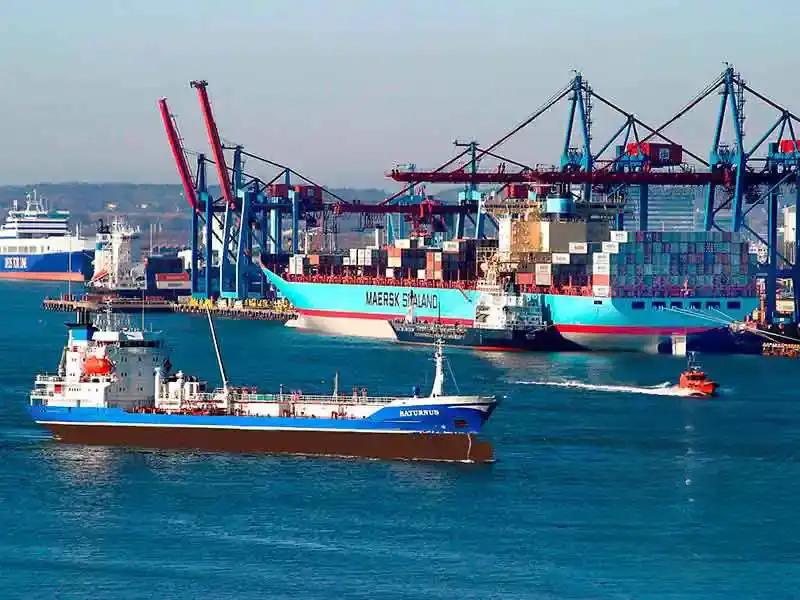
The DFC network is also expected to strengthen India’s export competitiveness by connecting major manufacturing centres in northern India with western ports. The Western DFC provides a direct high-capacity freight link between Dadri and Jawaharlal Nehru Port, while also connecting the northern hinterland with industrial and port clusters in Gujarat and Maharashtra.
The improved logistics network could enable manufacturers to locate farther from ports while retaining dependable access to domestic and international markets. Logistics parks, freight terminals and industrial corridors along the DFC routes could further strengthen this industrial development.
The Eastern DFC, meanwhile, is particularly significant for the movement of bulk commodities from India’s mineral and energy-producing regions. Faster and more efficient transportation of coal, steel, cement, fertiliser and other bulk commodities could help lower input and industrial costs.
The agricultural sector could also benefit from faster movement of food grains, fertilisers and perishable produce between production and consumption centres. However, the wider impact on food prices will continue to depend on factors such as crop production, weather, storage and global commodity prices.
Another major benefit is the capacity released on the conventional railway network. With substantial freight traffic shifting to dedicated tracks, existing railway routes can accommodate additional passenger services and other freight movements.
The DFCs could also encourage a shift of some long-distance bulk and container traffic from road to rail, potentially reducing highway congestion and road infrastructure pressures. The electrified freight network is expected to provide environmental benefits as well.
The completion of the corridors, however, marks the beginning of the utilisation phase. Their wider economic impact will depend on how effectively they are integrated with ports, inland container depots, warehouses, industrial parks and first- and last-mile road networks.
The DFCs therefore represent more than the creation of 2,843 km of new railway infrastructure. By improving freight speed, capacity and reliability, the network has the potential to reduce logistics costs, strengthen manufacturing competitiveness, improve market access and support a more geographically distributed industrial economy.