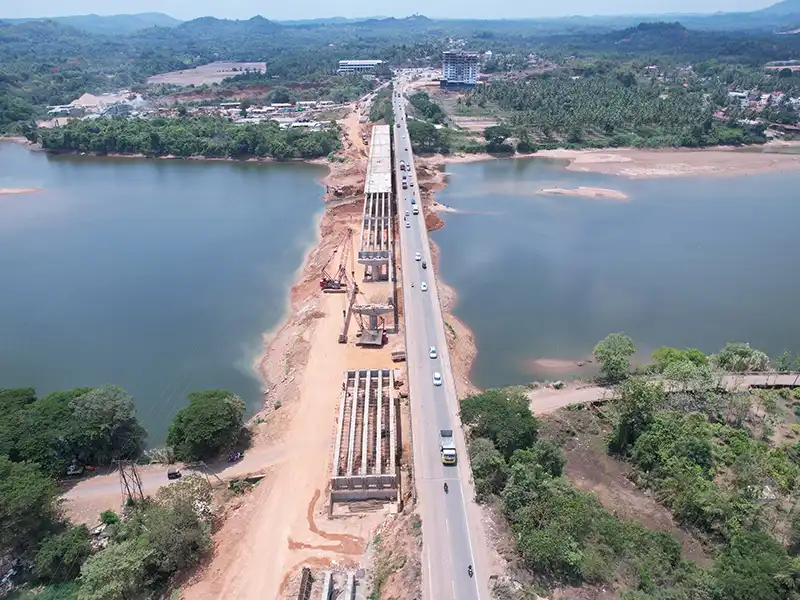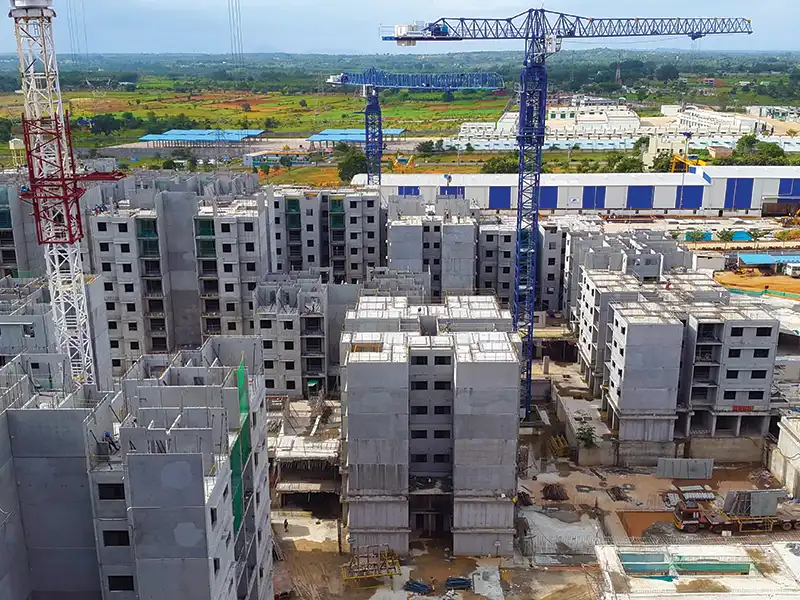
The financial stress caused by underbidding not only compromises execution quality but also raises the risk of stalled or abandoned projects.
Vikas Sharma
CEO & Founder
Vikas Sharma Global Infratech LLP

Impact on Quality, Timelines, and Sustainability
The L1 system has long dominated infrastructure procurement in India. Its appeal lies in its simplicity and transparency, awarding projects to the lowest financial offer. While this may create short-term cost savings, it has increasingly come under scrutiny for its adverse effects on quality, delivery timelines, and long-term sustainability.L1 bidding fosters intense price competition, leading contractors to underquote in order to secure projects. This often results in compromises on construction materials and skilled manpower, and a reluctance to adopt modern technologies. The outcome is infrastructure that deteriorates faster than expected, pushing up maintenance costs and eroding public trust.
Unrealistically low bids are also tied to aggressive schedules, which contractors struggle to meet once projects are awarded. Delays and cost overruns become frequent, undermining the intended efficiency of the system. Furthermore, environmental safeguards, durable designs, and energy-efficient practices are often sidelined, weakening the sustainability and resilience of public infrastructure.
Long-Term Risks and Hidden Costs
While the L1 system appears to generate savings at the bidding stage, hidden costs surface over time. Inferior quality construction demands frequent rehabilitation, creating a cycle of escalating maintenance costs. Financial stress from underbidding raises the risk of stalled or abandoned projects, while poor execution compromises structural safety. Unrealistic commitments also trigger disputes and litigation, further increasing costs. Ultimately, the financial burden shifts from procurement to operations and maintenance, reducing the efficiency of public spending.Building a More Balanced Procurement Framework
Moving towards value-for-money requires reforms that go beyond the lowest price. The QCBS model can balance technical competence with financial considerations. Pre-qualification based on past performance, financial stability, and technical expertise ensures only viable bidders move to the financial stage. Clear evaluation guidelines, e-tendering, and independent audits can enhance transparency and fairness.Policy reforms must also emphasize life-cycle costing, performance-based contracts, and balanced risk allocation through models like PPPs and Dispute Avoidance Boards. Stronger penalty–reward mechanisms can discourage poor performance while incentivizing innovation and timely delivery. Finally, building capacity among procurement officials is critical so that technical and financial evaluations are conducted holistically, reducing over-reliance on cost alone.