The issue with L1 isn’t the system itself, but the absence of safeguards for quality. When bids go unrealistically low, infrastructure suffers, roads, bridges, and embankments face compromises that affect long-term durability and safety.
Dimitrov Krishnan
Managing Director
Volvo Construction Equipment

The Price of Unhealthy Bidding
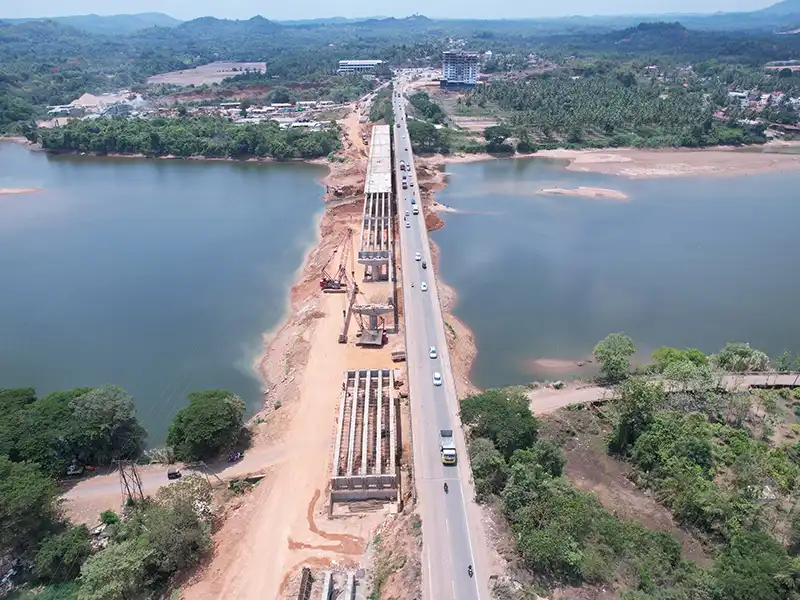
From a project perspective, the L1 system is hitting very hard. The way evaluations are done, coupled with the desperation of some contractors to win projects, has taken bidding to unhealthy levels. Estimates no longer have meaning when bids go 20–30% below them. This raises a critical question: are we accepting substandard work at such low prices?Even though measures such as additional Earnest Money Deposits (EMDs) or performance securities exist, they are not deterring contractors from taking projects at extremely low pricing. The result is compromised quality. Over the last six months, we have seen infrastructure disasters almost every week, bridges collapsing or embankments washing away, sometimes exacerbated by poor road construction. The collateral damage caused by such cost-cutting is huge, yet unquantified.
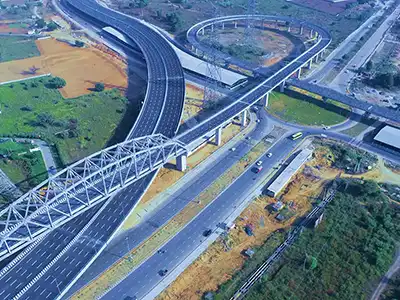
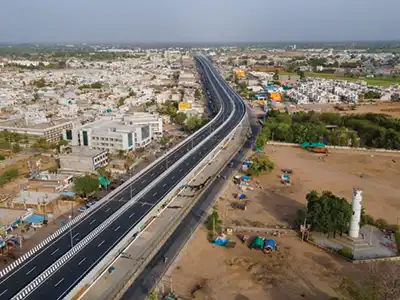
In many infrastructure projects, the finish quality suffers. A flyover or a major road project costing thousands of crores may have poor finishing, exit roads without consideration for safety, inadequate signages, uneven dividers, poorly maintained landscaping and joints that are not smooth. These highlight serious problems in how the L1 system is implemented.

In my view, the problem is not entirely with the L1 process itself but with the absence of safeguards for quality. Contractors and consultants exist within the system, but quality often takes a backseat. This suggests a flawed system, or perhaps a mindset problem, where people are not willing to play by the rules of delivering high-quality work.
In equipment purchases by PSUs, the situation is slightly better though. A PSU buying a machine for a 10-year lifecycle can bundle maintenance costs with the equipment price and still ensure safeguards. The manufacturer can bid competitively while guaranteeing quality over the long term. In road projects, however, there are no such safeguards, leading to unhealthy pricing. Equipment suppliers need margins to sustain quality and service; if prices are extremely low, it signals trouble down the line.
Private sector projects present a sharp contrast. At Bangalore International Airport, the 6–7 km access road from the toll gate, with flyovers and other features, is built to international standards. The surface quality is so precise that it can be compared with roads in Singapore. The reason is simple: private developers own the asset and intend to use it long-term, so quality is a priority. Models like BOT work well to ensure quality, but they have not been widely adopted in India, partly due to funding issues. EPC projects face bigger challenges, as seen in a Road project in a Southern state where an entire embankment washed away despite being executed by contractors historically reknowned for quality.
Cost Pressures and Compromised Equipment Choices
The pressure to go for lower-cost equipment is very real. Contractors often do not have sufficient mobilization advances to buy high quality equipment, nor do they have incentives to deliver superior work because their margins are already squeezed. From day one, the mindset becomes: reduce expenses wherever possible and skip anything that seems optional but could help deliver better quality.Prioritizing Quality for a Developed India
There is a serious problem with the current system, and those involved in tendering and policymaking need to think seriously about it. Being a developed nation is not just about quantity; it is also about the quality of infrastructure, economy, peoples lives, health, and education. While a developing country can focus on quantity, a country aiming for developed status must prioritize quality. To achieve this, India first needs to cultivate a “developed nation mindset.” Without this mindset, without prioritizing quality and accountability, corruption and self-interest dominate, and progress remains stalled.Another critical issue is the qualification criteria for contractors. Post-Covid, these criteria were lowered, allowing almost anyone to bid. Stronger criteria should be reinstated, ensuring that only contractors with proven experience in executing high quality projects, rather than JVs or partial work, are eligible. Currently, many contractors are even entering projects where they have no experience with very low bids that are further underlining the unhealthy trends in the system.
The L1 system could still work, but only if quality safeguards, strong contractor qualifications, and realistic pricing expectations are strictly enforced. Without these, the path toward a Viksit Bharat remains at risk.