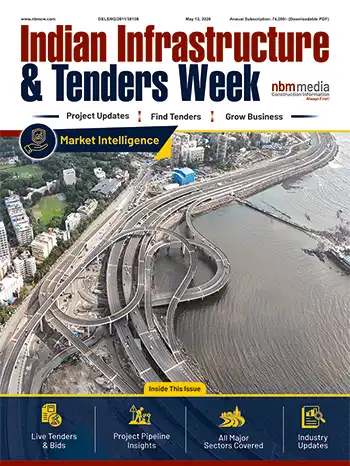
Building India for a Hotter, Wetter Future
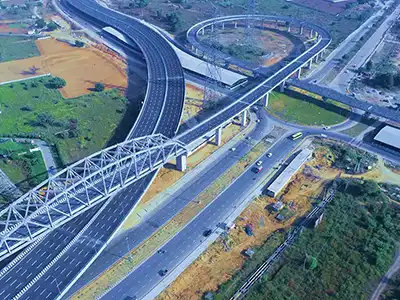
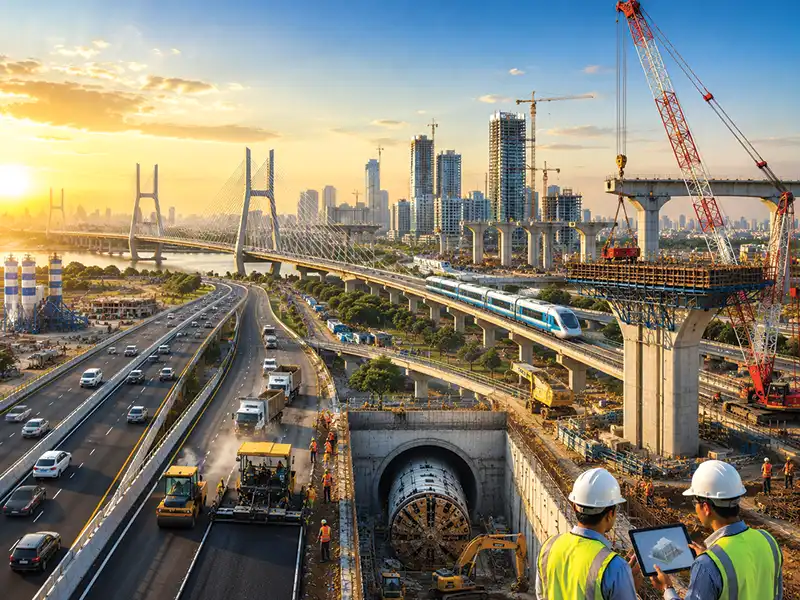
As one of the world's fastest-growing economies, India cannot afford infrastructure that fails under a changing climate. Rapid population growth and the steady migration to cities, coupled with rising climate risks, have made infrastructure development a key national priority. Ensuring that both existing assets and future construction integrate strategies to address climate-related risks is therefore vital.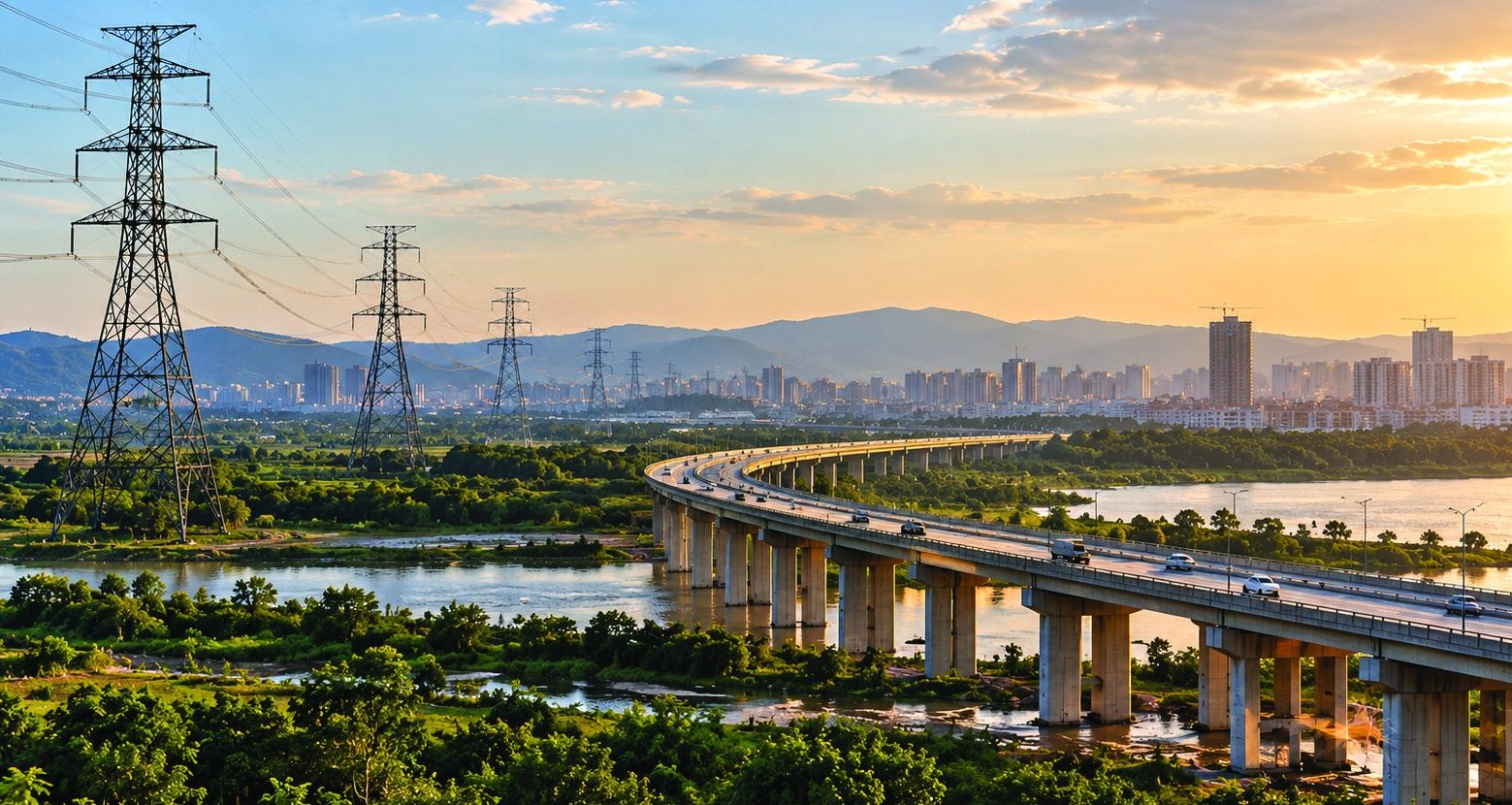
When a road caves in after a cloudburst or a bridge washes away in the monsoon, climate change is often blamed before any investigation begins. That is too simple. Extreme weather rarely acts alone. It finds an undersized drain, an eroded foundation, a saturated embankment, a poorly compacted layer or an inspection warning that was ignored. A hotter, wetter climate multiplies weaknesses already present in design, construction and maintenance.
India's climate assessment records a rise of about 0.7°C in average surface temperature between 1901 and 2018, more extreme rainfall in central India, the north and the western Himalaya, and greater cyclone risk along the coast.
Indian codes cover drainage, durability and loading, but climate projections are not yet turned into mandatory, location-specific design values across agencies and infrastructure types. Countries such as the US and the UK, along with frameworks such as ISO 14090 and ISO 14091, treat climate risk as an ongoing process that is documented and regularly updated.
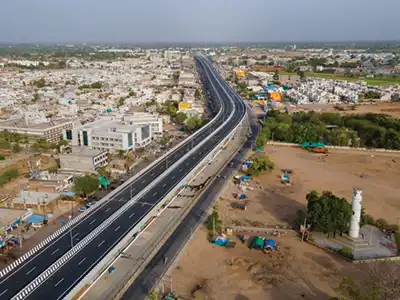
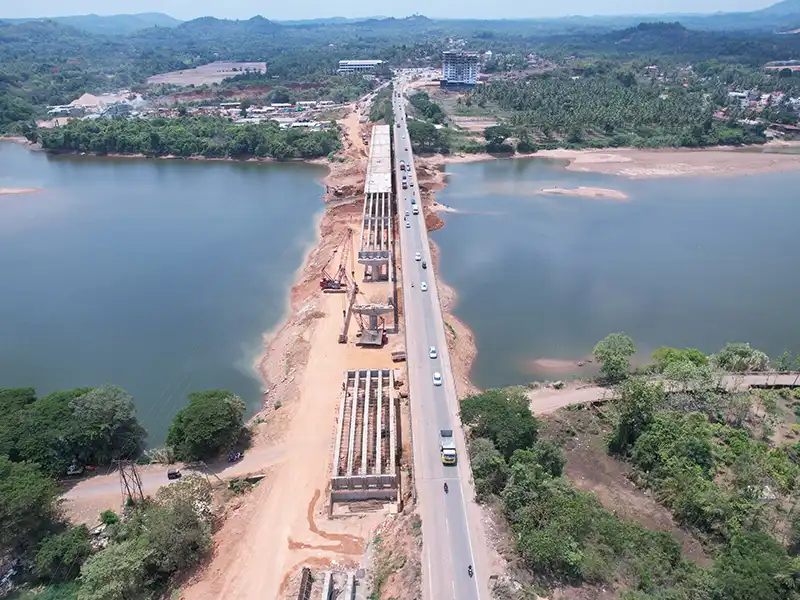
Recent failures in infrastructure show why careful diagnosis matters. The Wayanad bridge washout in July 2024 was an early warning. In May 2025, an under-construction stretch of NH-66 near Kooriyad in Kerala collapsed during heavy rain, and in July 2025, the Gambhira Bridge in Gujarat gave way.
In August 2025, Jammu recorded 190.4 mm of rain in 24 hours, its second-highest August rainfall in over a century, and a bridge on the Jammu–Pathankot National Highway collapsed in Kathua. In May 2026, part of an under-construction bridge over the Betwa in Hamirpur, Uttar Pradesh, gave way during a severe storm, killing six labourers. And in Darjeeling, the Dudhia iron bridge over the Balason river collapsed in the October 2025 floods, and the makeshift Hume-pipe bridge built in its place also washed away in June 2026. Each case involved a different mix of hazard, soil and water behaviour, design, workmanship, ageing and maintenance.
India needs public, forensic failure reports so that lessons feed back into codes. The fixes must span the asset's whole life: forward-looking climate data at DPR stage, performance-based materials, drainage-led pavement design, instrumented quality control, digital asset registers, and maintenance funded as a lifecycle obligation. Resilience may add cost on bid day, but the real comparison is service delivered and disruption avoided over decades.
This story brings together inputs from industry experts in highway operations and maintenance, international project development, real estate, sustainability advisory, ESG benchmarking and power transmission. Together, they examine how extreme weather is changing infrastructure failure patterns, why drainage, durable materials and lifecycle maintenance are as important as design, and how investors are increasingly factoring physical climate risks into their decisions.

IRB Infrastructure Developers Ltd.
Sanjay Kumar Sharma
Sanjay Kumar Sharma

IRB Infrastructure Developers Ltd.
Raghvendra Singh Chandel
Raghvendra Singh Chandel
Resilient Highways Start with Drainage, Not Pavement
Sanjay Kumar SharmaHead – O&M
IRB Infrastructure Developers Ltd.
How have the extreme weather conditions impacted highway distress?
A decade ago, we mostly dealt with localised potholes, normal cracking and routine maintenance. Today, distress is more frequent, more widespread and more closely linked to extreme weather and drainage. Intense and prolonged rainfall is causing water ingress, shoulder erosion and local embankment failures far more often.Rainfall itself is not always the reason a highway fails. Water simply finds the weakest point. Poor drainage, erosion, weak shoulders, inadequate protection works or delayed maintenance often decide how much damage is done. Once water enters the pavement or stays on the shoulders, deterioration speeds up sharply, especially where drainage gradients, outlets or cross-drainage are inadequate.
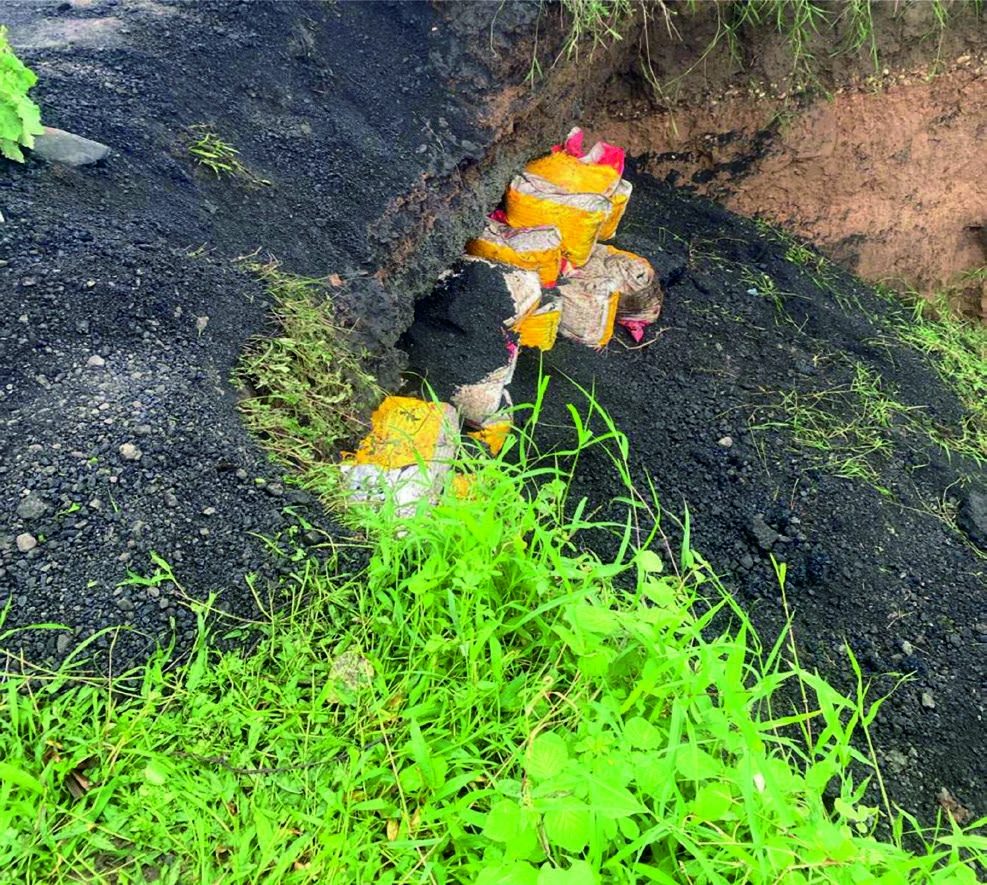
The biggest shift is that distress is now interconnected. A pavement failure is not always a pavement problem. It may start with blocked drains, poor shoulder protection, erosion or water accumulation. The highway has to be managed as an integrated system.
At what point should assessment and repair begin?
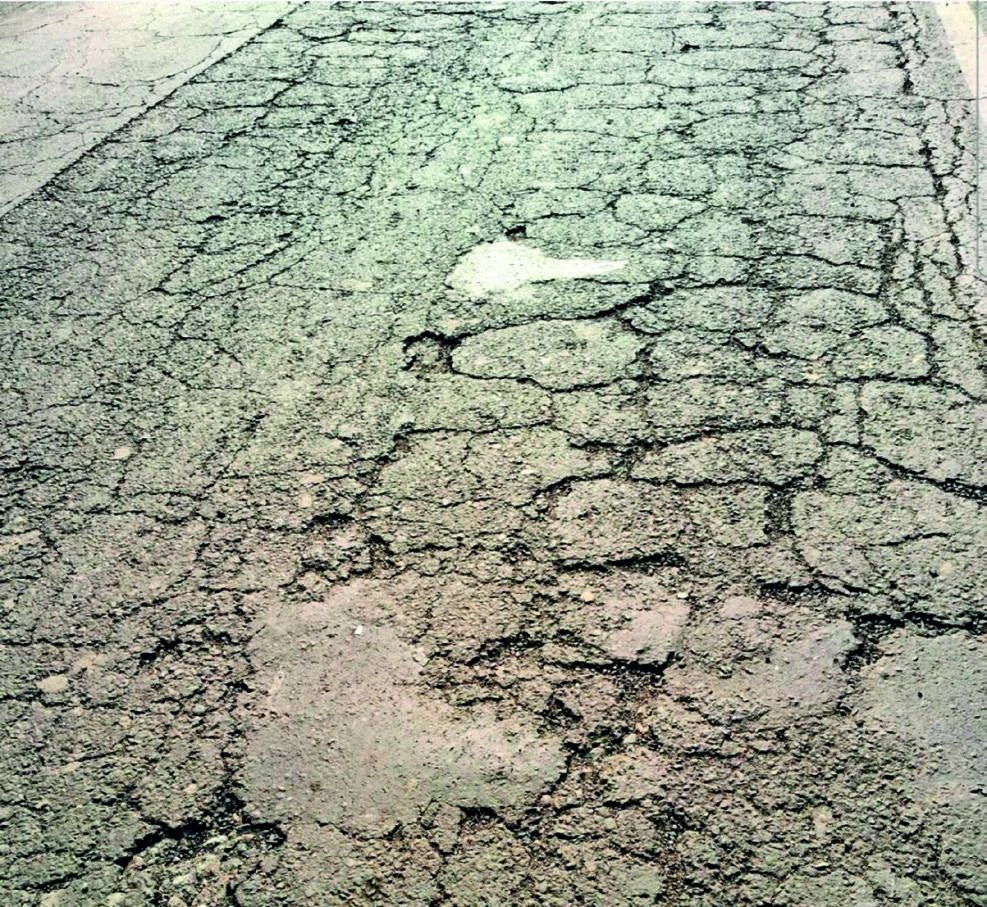
A small blockage at a culvert inlet can raise upstream water levels. If water overtops the carriageway, it erodes the shoulder and embankment. Once the embankment loses support, pavement layers can fail quickly. What looks like a drainage issue can become a major road breach, and the cost moves from routine O&M to emergency restoration and major rehabilitation.
Our response follows a cycle of preparedness, rapid response, temporary restoration and permanent rectification. Immediate action means clearing debris and water, opening blocked culverts and drains, repairing failed shoulders and local pavement failures, protecting eroded slopes and restoring at least one safe carriageway. But temporary restoration is never the final solution. Permanent repairs must address the root cause, whether it is inadequate drainage, insufficient erosion protection, low hydraulic capacity or pavement weakness. Otherwise, the same location will fail in the next monsoon.
What preventive action / monitoring / inspection can be undertaken to reduce possible damage to structures?
It would be technically wrong to claim that a fixed 30% or 50% of flood damage can always be avoided, because some events exceed the original design capacity. A more practical approach is to classify damage into three types. Unavoidable damage results from events that exceed design or natural capacity. Damage that could have been reduced is where better preparedness, protection or timely action could have limited the severity.Preventable damage comes from poor maintenance, blocked drainage, delayed action or known weak spots that were not addressed. This classification helps O&M teams move from simply assessing damage to learning from it and preventing it from happening again.
The emergency repair bill is often only the visible cost. The larger, avoidable cost comes from repeated patching, traffic disruption, emergency mobilisation, lost pavement life and premature renewal.
Inspection on most highway assets still relies on periodic manual checks. Routine patrols, engineer inspections, defect registers, photographic records and pre-monsoon and monsoon inspections remain the backbone of monitoring.
Technology is gradually coming in. Sensors, drones, GPS-enabled patrol systems and digital reporting are used selectively, mainly for structures, pavement condition surveys, drainage and hard-to-reach locations. They are not yet a routine practice across all assets. At IRB, regular inspections are now carried out using dash cams fitted in patrol vehicles.
Should a fund be set aside for maintenance alone?
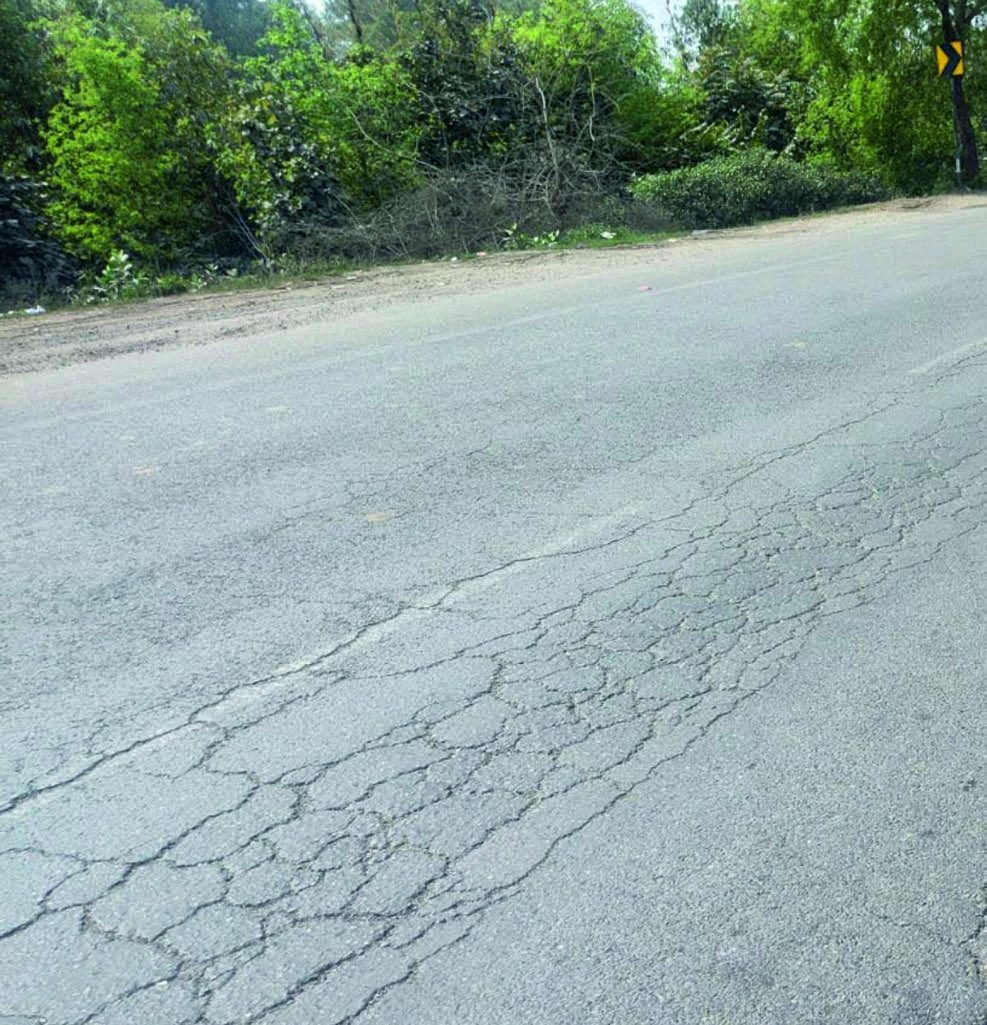
Underfunded maintenance is both a budgeting and a planning problem, but planning is often the root cause. New construction is visible and easy to justify. Maintenance is judged by what did not happen: no potholes, no failures, no accidents.
Preventive work must also be planned early, because timely drain cleaning, crack sealing, shoulder upkeep and periodic renewal cost far less than emergency rehabilitation. In simple terms, we should spend more on preventing deterioration and less on repairing failures.
On the stretches we manage, there have fortunately been no major failures, only minor gaps such as the need for additional culverts to stop water stagnating on the main carriageway. Small landslides originating outside the right of way have, however, still affected the highway badly.
Emergency response restores connectivity. Preventive maintenance protects the asset. Good design reduces vulnerability. And experienced O&M turns every failure into a lesson for the next monsoon. The most successful maintenance operation is not the one that repairs the biggest failure fastest. It is the one that identifies the weakness early and prevents the failure from happening at all.
Stresses on Operating Highways Caused by Heat, Rain and Heavy Loads
Raghvendra Singh ChandelManager – Operation & Maintenance (HO Mumbai)
IRB Infrastructure Developers Ltd.
What kind of stress do high temperatures, intense rainfall, and heavy loads place on highways?
One of the most noticeable changes in highway operations and maintenance has been the way weather-related distress develops on operating highways. Compared with a decade ago, pavement and roadside deterioration is more frequent, develops faster and is sometimes more severe. Prolonged high temperatures followed by intense rainfall in a short period create particularly difficult conditions for highway infrastructure.One common distress is rutting and permanent deformation. In long hot spells, bituminous layers lose stiffness. Combined with repeated heavy axle loads, especially from slow-moving heavy vehicles, this causes wheel-path rutting, shoving and permanent deformation. The concern is not only that rutting exists, but how quickly it develops under temperature and traffic together.
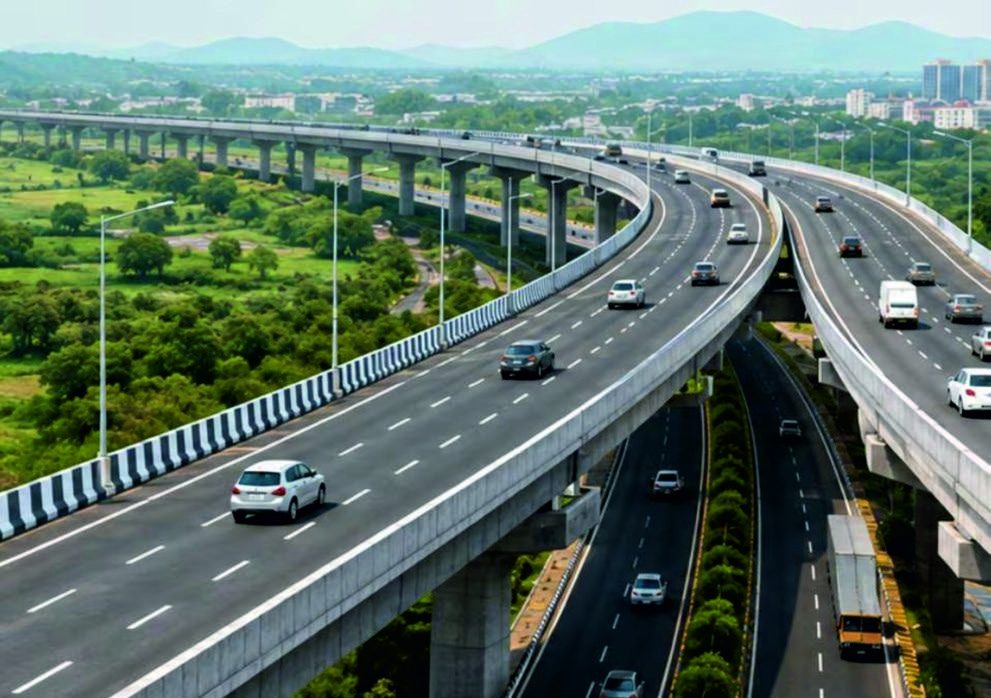
Cracks, ravelling and potholes also progress faster after intense rainfall. A crack may look like a minor surface defect, but once water enters, it weakens the layers below. Traffic then speeds up ravelling, stripping and material loss until a pothole forms. This is why minor defects must be treated before they become major failures.
Drainage performance is one of the most critical parts of highway maintenance. Blocked drains, inadequate longitudinal drainage, poor outfalls and ponding keep pavement layers, shoulders and surrounding soil saturated for long periods. This reduces the strength of granular layers and subgrade and speeds up structural deterioration. Drainage inspection should therefore be an integral part of pavement maintenance, not a separate activity.
Shoulder and pavement edge failures are another concern. Heavy rain and runoff erode or saturate shoulders and gradually remove support at the pavement edge, after which repeated traffic causes edge cracking, settlement and progressive breakup. Intense rain also increases runoff velocity and scours embankment slopes, side drains and outlets. If this erosion is spotted and controlled early, major damage can often be avoided.
How can Highway O&Ms move from reactive to preventive and predictive maintenance?
Distresses are rarely independent. They are linked in a chain. So, treat the chain, not just the symptom. Extreme heat reduces bitumen stiffness and contributes to rutting. Intense rain brings water ingress and loss of pavement strength. Poor drainage keeps the subgrade saturated. High runoff erodes shoulders and embankments. Simply repairing the visible defect may not give a lasting solution.Highway O&M must therefore move from reactive to preventive and predictive maintenance. Instead of waiting for a pothole, rut, erosion or edge failure to become severe, we should identify vulnerable locations, understand the underlying cause and act early. Good drainage management, regular condition assessment, timely crack treatment, shoulder protection and early detection of erosion can greatly slow the spread of distress.
Ultimately, climate-resilient highway maintenance is not just about repairing damage after extreme weather. It is about understanding how heat, rainfall, water movement, traffic and pavement behaviour interact, and using that understanding to stop small defects from becoming major failures.

Project Development & Acquisition Specialist, West Africa
Ahmad Karime
Ahmad Karime

Sobha Ltd.
Viren Davda
Viren Davda
Resilience Begins at Project Inception
Ahmad KarimeProject Development & Acquisition Specialist, West Africa
Can a structure’s climate resilience be determined by its design?
Climate resilience should not be seen only as an engineering-design issue. A project may be technically well designed but still fail to deliver its intended benefits if there is too little provision for operation, preventive maintenance, corrective maintenance and periodic upgrades.Climate and environmental risks should be considered from the earliest stages of project development, not introduced only during detailed design or construction. Site selection, feasibility studies, technical planning, environmental and social assessments, infrastructure design and financial structuring should all account for conditions that could affect an asset throughout its operational life.
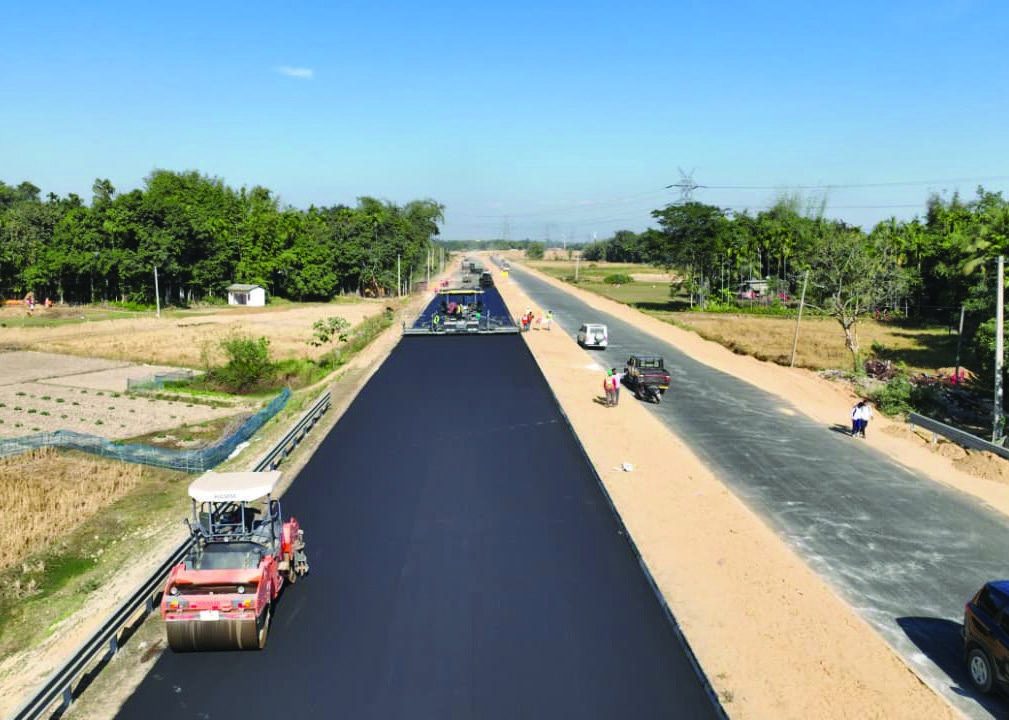
In discussions with government stakeholders and investors, one of the strongest arguments for resilient design is lifecycle value. A lower initial capital cost is not better value if too few resources are set aside to maintain the asset and protect the investment. Resilience measures and lifecycle maintenance provisions may raise the initial budget, but they should be seen as an investment in reliability, service continuity and long-term performance.
What measures need to be taken for preventive and corrective maintenance of a project?
Plan maintenance from day one. A sound practice is to make preventive and corrective maintenance part and parcel of the project from inception. This should include spare parts, technical labour, software updates and upgrades where applicable, and regular training for users and maintenance staff . It matters most for technology-intensive infrastructure, which can become ineffective or obsolete without ongoing technical support even when the physical installation is intact.A project’s success should not be measured simply by completing construction and commissioning the asset. The real test is whether the infrastructure keeps delivering its intended service efficiently and sustainably throughout its design life. That requires institutional capacity, realistic lifecycle budgets, effective maintenance arrangements and continuous monitoring.
Climate risk alone rarely decides site selection or financing structure on any single project. But experience across infrastructure and technology projects consistently shows the importance of planning for the whole asset lifecycle. Flooding, extreme heat, heavy rain and erosion make this even more important, especially where maintenance budgets are tight.
Lifecycle value is the real test. A recurring challenge is the tendency to focus on initial capital expenditure rather than total lifecycle value. It is the tendency to focus on initial capital expenditure rather than total lifecycle value. Governments, investors, financiers and developers need to look beyond the construction budget and consider the cost of maintaining, upgrading and protecting infrastructure throughout its operational life.
Resilience should be treated as a project-development requirement, not an optional upgrade. Infrastructure must be designed, financed, operated, maintained and continuously supported if it is to deliver lasting value to the communities and economies it serves.
Durable Materials Enhance Life of Assets
Viren DavdaDeputy Manager - Procurement
Sobha Ltd.
How important is material selection and what factors should be kept in mind?
The most important requirement is clear, performance-based specifications from the design stage that define the required durability and performance. More standardised testing, third-party certification, comparable performance data, vendor track records and lifecycle-cost information would also help procurement teams decide more objectively.A key learning is that material selection must account for local weather conditions and the specific requirements of each application. Protecting vulnerable areas through appropriate materials and detailing during construction is generally more effective than carrying out repairs after leakage occurs.
Ultimately, procurement needs to move from "What is the lowest price?" to "What gives the best value and performance over the life of the asset?" Climate resilience should increasingly be an important part of that assessment.
What are the considerations when evaluating vendors during material selection?
There is a gradual shift towards considering durability and climate resilience in material selection. Cost competitiveness remains important, but project teams are increasingly conscious of materials that can withstand heavy rainfall, moisture, heat and changing weather conditions.Procurement is now moving beyond simply picking the lowest-cost option; technical compliance, durability, quality, vendor capability and long-term value are also considered. However, this depends heavily on how clearly these requirements are written into project specifications at the design stage.
Performance-based materials such as low-permeability concrete, corrosion-resistant reinforcement and better waterproofing often cost more upfront. The evaluation should look at the lifecycle value of the asset, not just the purchase price. A costlier material can be better value if it reduces the risk of water ingress, corrosion, early deterioration and future repairs.
When evaluating vendors, we should consider expected service life, warranty, testing and certification, maintenance needs, application method and past performance alongside the commercial offer. A lower-priced material may not be the lowest-cost solution if premature failure leads to expensive remedial work.
What are the challenges in finding reliable vendors and sourcing resilient materials?
A key challenge is finding reliable vendors who can consistently supply specialised, performance-oriented materials at the required scale. These products can also carry a cost premium. Comparing vendors is difficult when testing methods, warranties and performance parameters differ; standardised testing and independent certification would make evaluation more transparent.Site-level implementation is equally important. Even a technically superior product can underperform if storage, surface preparation, application or workmanship is inadequate.
I would like to share a lesson I learnt from a warehouse leakage. During my earlier experience with Indospace, we encountered water leakage in warehouse buildings during periods of heavy rainfall and changing weather conditions. Joints, openings and other vulnerable areas were particularly susceptible to water ingress.
To address the problem and prevent recurring leaks, FRP-based paints and coating systems were applied to identified joints and openings to improve water resistance. This experience highlighted how seemingly minor areas in large warehouse structures can become vulnerable points during extreme weather.

Det Norske Veritas
Md Farhan Khan
Md Farhan Khan

GRESB
Padmanabh Subramanian
Padmanabh Subramanian
Why Decarbonisation Takes Priority Over Climate Adaptation
Md Farhan KhanSustainability Assurance Consultant
Det Norske Veritas
How is the current focus on climate resilience influencing decisions on financing, insurance, leasing and infrastructure management?
In sustainability advisory work, the split is roughly 90:10 in favour of decarbonisation over climate adaptation, and that is a generous reading. A typical client brief almost always opens with an emissions inventory, targets and a pathway. Physical climate resilience appears later, usually as one slide in a risk annexure. Investor conversations follow the same pattern: diligence focuses on Scope 1, 2 and 3 numbers, target validation and intensity benchmarks.Where physical risk does get serious attention, it rarely comes from the sustainability committee. It comes from lenders, insurers and large occupiers asking pointed questions at renewal or lease signing. That has shifted noticeably over the past two years, particularly for warehousing, industrial parks and healthcare infrastructure clients. These developments are beginning to push climate resilience from the margins of sustainability reporting towards core decisions on financing, insurance, leasing and infrastructure management.
What challenges do companies face in protecting their buildings against climate risks?
The challenge is that a company may have a validated net-zero target while its buildings and infrastructure assets are becoming increasingly difficult to insure against climate risks. This is evident in logistics and industrial facilities built on low-lying or recently reclaimed land around Chennai, Mumbai and the eastern fringes of Bengaluru, where local drainage systems were designed for rainfall intensities that may no longer reflect current conditions.Similarly, commercial towers with large glass façades may struggle to maintain comfortable indoor temperatures during prolonged heatwaves because their cooling systems were designed around historical temperature ranges. Unstable power supply can further aggravate the problem. Rising wet-bulb temperatures, which combine heat and humidity, can also reduce the number of hours construction workers can work effectively, increasing project costs through delays and lower productivity.
None of this shows up in a carbon disclosure. All of it shows up in asset valuation, business interruption exposure and, eventually, cost of debt.
Why does climate adaptation lag behind decarbonization?
One key reason is the difficulty of measuring progress. Decarbonisation can be measured using standard units and benchmarks, with targets that can be independently validated. Climate adaptation, however, is harder to measure using a single metric. Physical climate risk assessments are specific to each asset, rely on probability-based projections and involve uncertainties. This makes their findings difficult to present in annual reports or compare across companies.The second challenge is organisational. Emissions management typically falls under sustainability or finance teams, while spending on climate resilience is handled by project and facilities teams working within fixed capital expenditure budgets. Since the benefits of resilience measures may only become apparent when an extreme weather event occurs, decision-makers may have little incentive to invest in risks that might not materialise during their tenure.
The third challenge lies in disclosure requirements. Corporate reporting frameworks have traditionally placed greater emphasis on reducing emissions than on assessing the vulnerability of individual assets to climate risks. As a result, companies have had stronger incentives to report on decarbonisation than to assess and disclose their infrastructure's resilience to extreme weather.
Please share an incident where corrective measures were taken to protect a building from a climate risk.
During a portfolio review for an industrial and warehousing client, flood modelling under a mid-century climate scenario revealed an unexpected risk. The buildings themselves were relatively well protected because their plinth levels (the raised bases of the buildings) had been elevated as a standard practice. However, the surrounding infrastructure remained vulnerable. The approach road, transformer yard and diesel generator platform were all at ground level, while the stormwater outfall discharged into a channel that had been encroached upon downstream.As a result, even a moderate flood could leave the warehouses inaccessible and disrupt power supply for several days without flooding the buildings themselves.
The corrective measures were relatively simple and inexpensive compared with the value of the assets. They included relocating electrical switchgear and generators, revising the drainage design, and identifying a second supplier outside the same flood-risk area after discovering that a single cluster of vendors served three sites. The assessment showed that climate resilience depends not only on protecting buildings but also on ensuring that access roads, utilities, drainage systems and supply chains remain functional during extreme weather.
What frameworks should be set up to protect structures from climate risks?
Money moves faster than frameworks. Insurance repricing and lender diligence are already doing more than any voluntary standard. What would accelerate it: asset-level physical risk disclosure aligned with ISSB expectations rather than narrative commentary; bank climate stress testing that flows into loan pricing; and, most importantly, revising building codes and city drainage standards against current rainfall data instead of records from decades ago.Green rating systems should also give real weight to resilience. Occupier demand is the quickest lever in commercial real estate, and it is already visible.
Benchmarking Resilience in Real Estate and Infrastructure
Padmanabh SubramanianCountry Manager (India) – Business Development
GRESB
How does GRESB assess a company’s climate adaptation and resilience?
For buildings and infrastructure, climate resilience is not just about protecting assets from extreme weather events; it also involves ensuring that they remain functional, safe and economically viable as climate risks evolve. This requires resilience to be considered both in long-term investment and management strategies and in the design, operation and maintenance of individual assets.GRESB assesses climate adaptation and resilience through these two key areas: how well an organisation’s overall strategy accounts for climate change, and how effectively it identifies and manages physical climate risks to its assets.
The first focuses on strategic resilience. GRESB assesses whether an organisation has integrated climate-related risks and opportunities into its policies, management practices and long-term planning. This includes evaluating how the organisation defines and implements resilience, considers the transition to a lower-carbon economy under a 2°C or lower warming scenario, accounts for higher physical risks where relevant, and factors different time horizons into its decisions.
The second focuses on physical risk and resilience at the asset level. It examines whether an organisation has processes to identify, assess and manage climate-related hazards such as flooding, extreme heat and storms. This includes gathering relevant climate and asset data, assessing current and future vulnerabilities, evaluating opportunities to enhance asset value, and developing resilience measures tailored to specific hazards.
How are commercial real estate developers in India ensuring investors/clients that their buildings and assets can withstand extreme weather events?
While carbon emissions and the transition to a low-carbon economy have traditionally dominated sustainability disclosures in India, physical climate resilience is gaining prominence. For commercial real estate and infrastructure, the focus is shifting beyond reducing emissions to ensuring that buildings and assets can withstand extreme weather events, remain operational and retain their long-term value. Institutional investors and asset owners are increasingly assessing risks such as flooding, extreme rainfall, inadequate drainage, heat stress and water scarcity, as these can disrupt operations, damage assets and increase maintenance and recovery costs.India’s commercial REITs are beginning to address these risks through portfolio-level assessments. One of India's largest Commercial REITs and one of India's retail REITs, for instance, have disclosed assessments of physical climate risks across their portfolios, covering hazards such as flooding, extreme rainfall and heat. Such assessments are an important step towards building climate-resilient infrastructure, helping asset owners identify vulnerabilities and inform decisions on site planning, drainage systems, heat mitigation and other adaptation measures. The challenge is to translate risk assessments into practical interventions that protect assets, ensure business continuity and strengthen resilience over their operational life.
With climate adaptation gaining traction, what are the challenges for India’s real estate companies in integrating resilience into their climate strategies?
Globally, real estate portfolios are moving beyond identifying physical climate risks towards assessing their potential impact on individual assets, including the investment required to strengthen resilience and the possible financial consequences of inaction. GRESB, for instance, evaluates how organisations identify and assess physical climate risks and integrate resilience into their broader climate strategies. Its 2024 real estate benchmark covered approximately USD 7 trillion in assets across 80 markets, with 94% of participants reporting that they had incorporated resilience into their climate strategies.In India, the physical risks facing buildings and infrastructure are increasingly evident, ranging from extreme rainfall and urban flooding to heat stress, water scarcity, cyclones and coastal exposure. While leading real estate investment trusts (REITs) are beginning to assess these vulnerabilities across their portfolios, the next step is to translate risk assessments into asset-level interventions, supported by investment plans and an understanding of their financial implications. This approach is also relevant to Grade A warehousing and logistics facilities and premium residential developments, where climate-related disruptions can affect asset performance, operating costs and long-term value.
A broader shift towards climate adaptation planning is also emerging across Indian businesses. According to an S&P Global assessment, 24% of Indian companies had a physical climate adaptation plan, compared with 21% globally. Real estate and utilities were among the leading sectors in India, with 50% of companies in each sector reporting such plans. These findings suggest that climate adaptation is gaining traction, although the key challenge remains translating plans and risk assessments into tangible measures that make buildings and infrastructure more resilient.
What additional value would benchmarking assets against those of their peers bring to building and infrastructure owners?
Benchmarking can help make climate resilience a business priority rather than simply a reporting requirement. For building and infrastructure owners, it provides a way to assess how effectively their assets are prepared for climate-related risks and where improvements are needed. GRESB offers two levels of comparison: peer benchmarking, which measures a portfolio against comparable assets and organisations, and global benchmarking, which helps investors assess performance against international standards and practices. Asset-level benchmarking adds another layer of insight by showing how individual buildings perform within a portfolio and against comparable properties, helping owners identify vulnerable assets and prioritise interventions.The ESG benchmarking journey typically begins with establishing a baseline in the first year, followed by efforts to address data and management gaps in Years 2 and 3. By Years 4 and 5, the focus increasingly shifts towards demonstrating measurable performance improvements and outcomes. GRESB has reported that participants can improve their scores by around 17–18 points within their first three years. The same approach can be applied to climate resilience. Rather than simply disclosing exposure to flooding, extreme heat or water stress, asset owners can compare their risk-management practices with those of their peers, identify weaknesses, prioritise capital expenditure and track whether adaptation measures are improving resilience over time.
The ultimate value of benchmarking is not a better score or a better report. It is better decisions, more resilient assets and stronger long-term asset value.

Tata Power Company Limited
Kunal Sharma
Kunal Sharma
Future-Ready Transmission: Power Lines for Tomorrow's Weather
Kunal SharmaHead – Project (Transmission)
Tata Power Company Limited
With India expanding its transmission network to meet rising electricity demand, how important is climate resilience in a critical infrastructure-planning for this industry?
India is expanding its transmission network to meet rising electricity demand and integrate more renewable energy into the grid. According to the Ministry of Power’s update based on the National Electricity Plan, the transmission network at 220 kV and above is planned to expand from approximately 5.04 lakh circuit km in February 2026 to 6.48 lakh circuit km by 2032. Transformation capacity is projected to increase from around 1,429 GVA to 2,345 GVA, while inter-regional transfer capability is expected to rise from 120 GW to 168 GW. The system is also being developed to support the integration of more than 500 GW of renewable energy by 2030.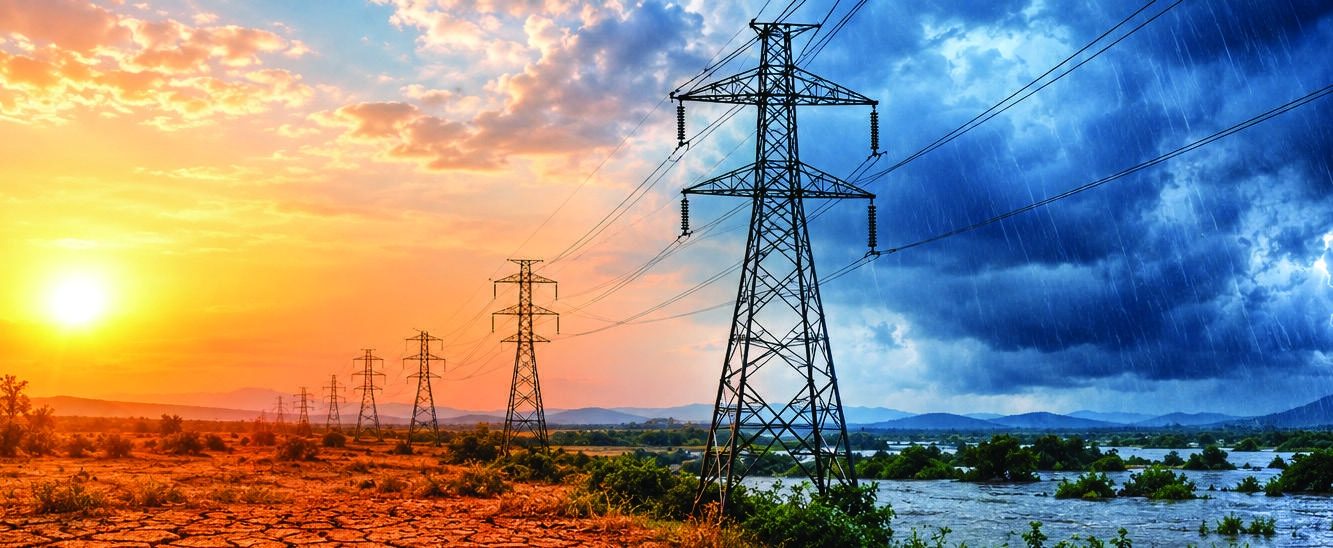
This expansion makes climate resilience a critical infrastructure-planning priority. Transmission is national infrastructure. We build these assets not for today's climate, but for the decades and generations that will depend on them.
What impact are the extreme weather conditions having on the design and engineering of transmission lines so that they remain dependable over their operating lives?
Every generation inherits infrastructure built by the one before it. The power sector is a particularly clear example of this legacy, with generation plants, substations and transmission networks forming the backbone of the electricity supply that drives economies and supports everyday life. Within this system, transmission infrastructure plays a critical role in carrying electricity from generation sources to homes, industries and cities. The transmission lines being designed today will remain in service for four to five decades, raising an important question: will they remain dependable not just under today's climatic conditions, but also as the climate changes over their operating lives?India's transmission design standards have served the sector well and remain a robust engineering framework. But climate adaptation requires us to add forward-looking risk assessment to historical design assumptions. Project experience increasingly shows that localised weather can exceed the conditions normally associated with a region. Engineering decisions should therefore be driven not only by what has happened in the past, but also by the risks we can reasonably expect over the life of an asset.
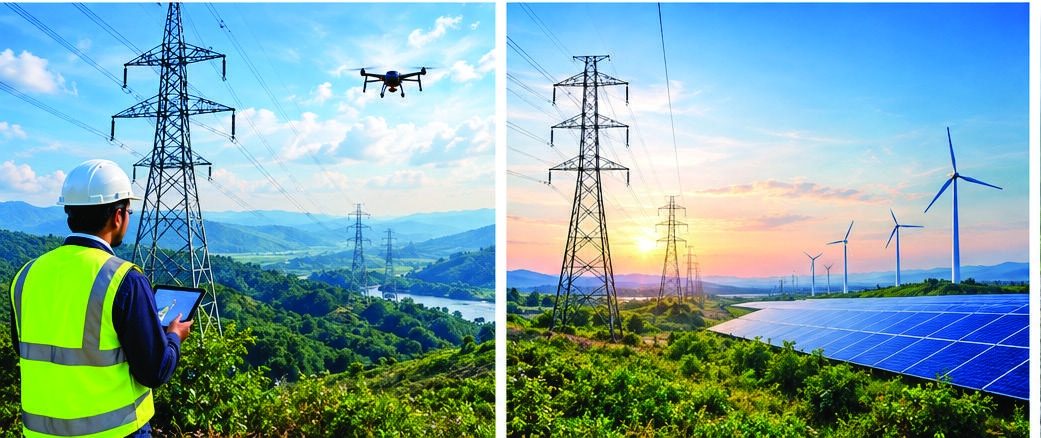
Our own projects have reinforced this. During execution, we have faced localised extreme wind events that exceeded the conditions associated with the designated wind zone, causing multiple tower failures and prolonged outages. At another location, continuous soil erosion undermined the long-term stability of a tower foundation, making reconstruction and re-erection necessary. Engineering drawings are prepared in offices, but engineering confidence is earned in the field.
What does climate adaptation involve?
Climate adaptation is often equated with stronger towers or heavier foundations. In practice, resilience begins much earlier: with choosing the right corridor, understanding terrain and hydrology, assessing geotechnical conditions and anticipating how an asset will perform over its life. The aim is not to over-engineer every asset, but to apply engineering judgement where the risk justifies extra resilience.The TBCB framework has transformed India's transmission sector by bringing transparency, competition and execution discipline. The next opportunity is to strengthen lifecycle resilience alongside capital efficiency. Climate adaptation is not about replacing cost discipline with higher spending. It is about making sure engineering decisions reflect long-term risk.
The right question is not only "What will this additional protection cost?" but also "What could it cost us if the asset fails?" A stronger foundation, local erosion protection or other resilience measures may raise capital cost, but they can greatly reduce the operational and financial impact of outages, emergency restoration and lost availability. Resilience should be judged on risk-adjusted lifecycle value, not just upfront project cost.
How is technology enabling weather intelligence, digital asset monitoring and predictive maintenance?
Drone inspections and LiDAR surveys are becoming integral to our project and asset-management processes, while Emergency Restoration Systems (ERS) provide an important layer of preparedness for quick restoration. The next step is to combine these with better weather intelligence, digital asset monitoring and predictive maintenance wherever the risk-benefit case justifies it.Climate resilience is not a destination; it is a continuous process of learning, adapting and improving. Every extreme weather event leaves lessons that should shape tomorrow's design practices. India's clean energy transition will ultimately depend on the strength and reliability of its transmission network. Our responsibility goes beyond delivering projects safely, on time and within budget. It is to create assets that keep performing reliably throughout their life, even as the climate around them changes.
The most resilient infrastructure is not necessarily the one that costs the most. It is the one that understands risk the best.