
PM Narendra Modi Inaugurates Ganga Expressway, UP's Longest Road Corridor Spanning 594 Kms
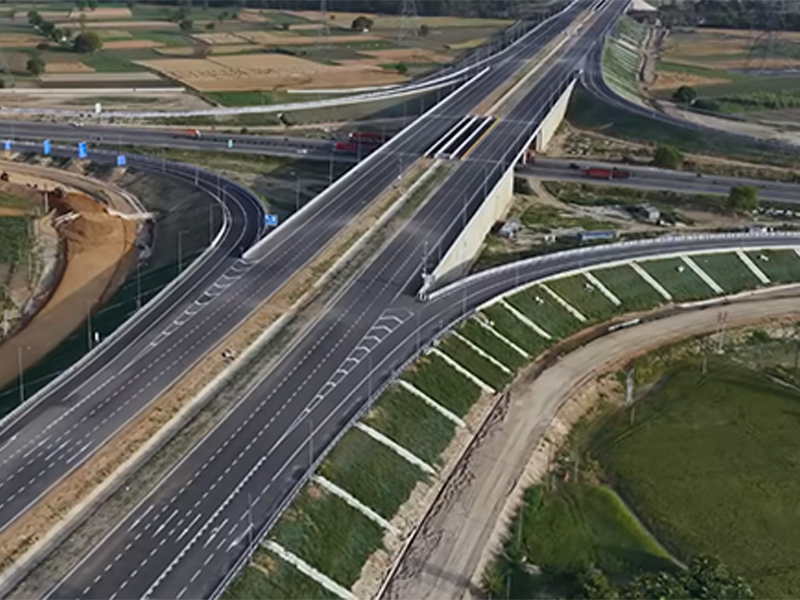
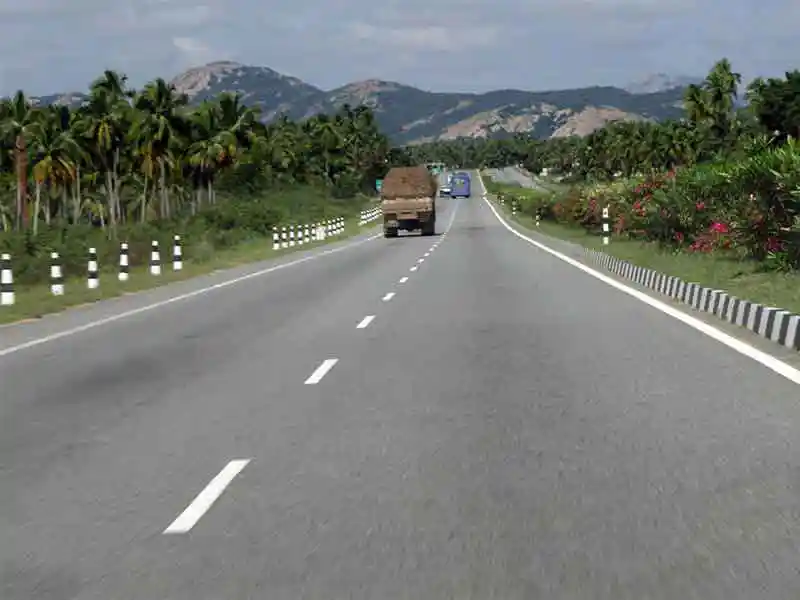
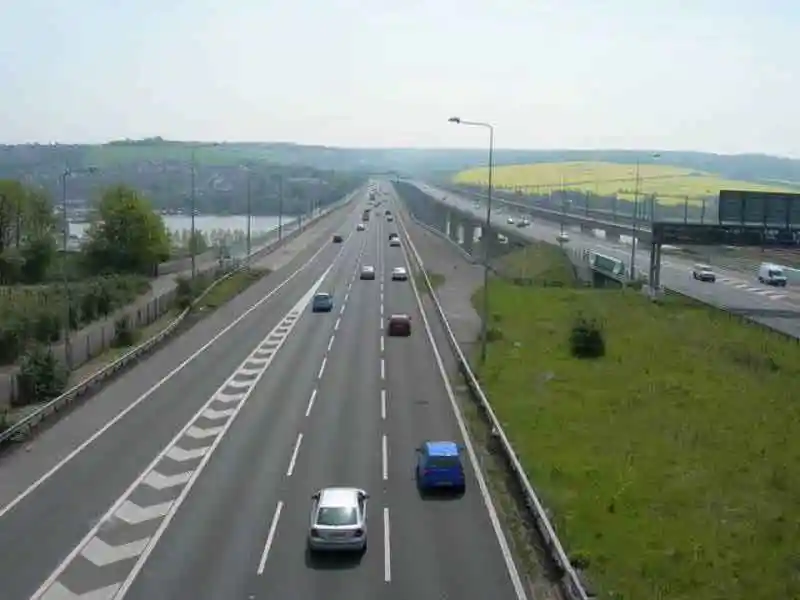
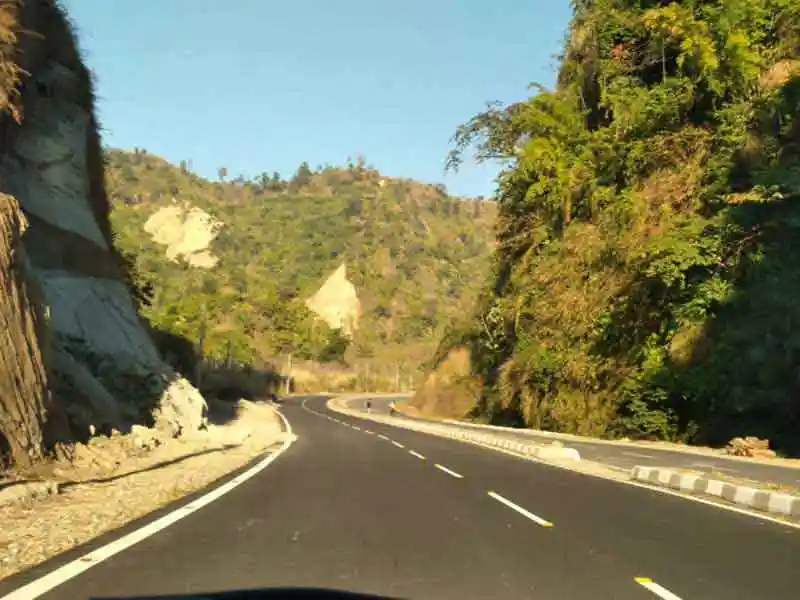
The six-lane, access-controlled corridor, expandable to eight lanes, stretches 594 kilometres from Meerut in the west to Prayagraj in the east, threading through twelve districts along the way. The journey which once took ten to twelve hours will now take approximately six. Built at an estimated cost of Rs 36,230 crore, it is a greenfield project, carved entirely from new alignment rather than widened from existing roads.
Who built it
The project was developed under the Design-Build-Finance-Operate-Transfer model. The Uttar Pradesh Expressways Industrial Development Authority (UPEIDA) served as the nodal agency, overseeing land acquisition, contractor coordination, quality audits, and public communications throughout.UPEIDA divided the Phase 1 construction into twelve civil packages, grouped into four larger groups. Contracts for the four groups were awarded after competitive bidding. Adani Enterprises won three of the four groups, covering packages 4 through 12 and accounting for 464 of the 594 kilometres. IRB Infrastructure Developers, a specialist road concessionaire, secured Group 1, covering the westernmost 129.7 kilometres from Meerut through Amroha district.
Within those groups, major subcontractors carried out the civil work. HG Infra Engineering handled a 151.7-kilometre section under Adani's Group 2, running from Badaun to Hardoi. ITD Cementation, PNC Infratech, Dilip Buildcon, Gawar Construction, Apco Infratech, and GR Infraprojects contributed to various packages, focusing on earthwork, pavement layers, and grade-separation structures such as flyovers, underpasses, and bridges. Physical construction began in April 2022, roughly four months after Prime Minister Modi laid the foundation stone at Shahjahanpur in December 2021.
How it was built: the construction layers
Building 594 kilometres of access-controlled expressway from scratch requires a precise sequence of ground preparation and pavement laying. Work on the Ganga Expressway proceeded simultaneously across multiple packages, with earthwork, pavement laying, and structural construction advancing in parallel rather than in sequence along the full alignment.The first phase of work involved clearing and grubbing the greenfield land — removing vegetation, debris, and obstructions across the 120-metre right-of-way — followed by bulk earthwork to shape a stable, compacted subgrade. This stage, largely completed by late 2023, required heavy earthmoving equipment: motor graders for shaping and levelling, soil compactors for packing the subgrade, and large excavators and dump trucks for shifting soil volumes at scale. The scale of earthwork across 594 kilometres meant hundreds of machines operating simultaneously across the alignment.
Above the subgrade, the road was built up in successive layers. Granular Sub-Base material was laid first to provide structural support, followed by Wet Mix Macadam, a bound aggregate layer that adds load-bearing strength and drainage. Above that came the Dense Bituminous Macadam base course, then the wearing surface. Each layer required different specialist equipment: motor graders and rollers for sub-base work, paving machines and vibratory compactors for bituminous layers. Asphalt plants were set up along the corridor to mix and supply hot bituminous material to the laying crews continuously.
As of March 2026, all five layers had reached 100% completion on the main carriageway, along with all 1,498 planned structures, including 14 major bridges, 126 minor bridges, 28 flyovers, and 381 underpasses. Remaining work at inauguration was limited to finishing touches: public convenience plazas, guard rails, petrol pumps, and service roads.
Structural scale
The structural scope of the project goes well beyond the road surface itself. The expressway incorporates 14 major bridges and 126 minor bridges, including two long spans over the Ganga and Ramganga rivers. The 381 underpasses thread the expressway over and under existing roads, rail lines, and rural tracks across the twelve districts it passes through. Eight diamond interchanges connect it to the broader road network.Among the more unusual features is a 3.5-kilometre emergency landing facility built into the alignment at Shahjahanpur. It was tested in May 2025, when Indian Air Force aircraft — including Su-30MKI fighters, Mirage 2000s, and C-130J transport planes — conducted landing and take-off drills on the strip, confirming its operational readiness as a military asset embedded within civilian infrastructure.
A node in a broader network
The expressway's strategic value is amplified by the larger grid it connects into. It links directly or indirectly with the Yamuna Expressway, the Agra–Lucknow Expressway, the Jewar Link Expressway, and planned corridors toward Noida International Airport. A proposed Phase 2 extension would stretch the northern end from Meerut to Haridwar and the eastern end from Prayagraj toward Ballia near the Bihar border. Integrated Manufacturing and Logistics Corridors are planned across approximately 2,635 hectares spread along the twelve districts, with different nodes earmarked for manufacturing, logistics, agro-processing, and warehousing based on the economic profile of each district.Whether the economic projections materialise will depend on factors beyond the road itself, land acquisition for industrial nodes, private investment decisions, and the pace of ancillary development. But as a construction feat, the Ganga Expressway represents four years of continuous, large-scale civil work executed simultaneously across the breadth of Uttar Pradesh.
Industry Voices on the Ganga Expressway

Vimal Nadar, National Director & Head, Research at Colliers India
The Ganga Expressway is anticipated to accelerate industrial & warehousing demand along its corridor, driven by complementing flagship infrastructure projects such as the Eastern Dedicated Freight Corridor, National Waterway 1 (from Haldia to Varanasi), Yamuna Expressway and Purvanchal Expressway. This multimodal connectivity is expected to enhance supply chain efficiencies, reduce transit timelines, and catalyze the development of warehousing clusters across key markets that are well-positioned to evolve into strategic distribution and logistics hubs. In fact, cities such as Meerut, Kanpur and Prayagraj, which have a relatively unorganized warehousing market, are likely to witness increased participation from leading players looking to tap into high potential markets. Furthermore, the envisaged traction will be supported by manufacturing & MSME ecosystem augmentation through initiatives such as the Industrial Smart City Mission, thereby expediting balanced economic growth across the state.In parallel, from a commercial standpoint, the Ganga Expressway is expected to promote a decentralized work model, with Tier II cities such as Meerut, Kanpur and Prayagraj potentially developing as secondary office hubs in conjunction to the primary hub of Delhi NCR. Additionally, the residential segment is also poised to gain momentum, as catchment areas along the corridor are expected to witness surge in housing demand. Urban spillovers can further accentuate the development of affordable housing, plots and integrated townships in Tier II & III cities of the state.
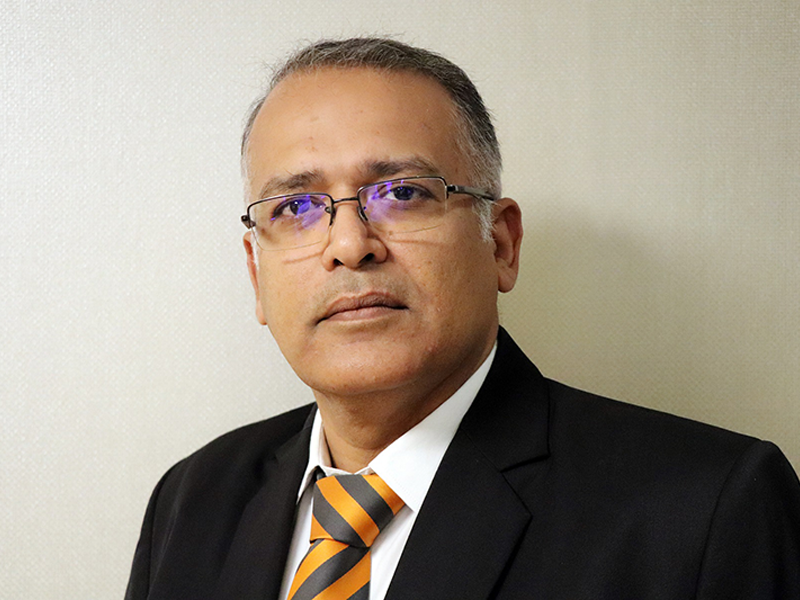
Manish Mathur, CEO-Cranes, ACE- Action Construction Equipment Ltd.
The scale of the Ganga Expressway reflects the ambition of India’s next-generation road infrastructure, with a strong focus on speed, efficiency, and technology integration. Spanning ~594 km with an estimated investment of around ₹36,000 crore and designed for speeds up to 120 km/h, features such as access-controlled design and seamless tolling will enhance corridor efficiency, reduce transit uncertainties, and make long-distance travel more predictable for people and businesses. The project is expected to reduce travel time between Meerut and Prayagraj from 10–12 hours to nearly 6–7 hours, Beyond connectivity, it is expected to support regional development and improve logistics productivity. Additionally, such projects will accelerate the demand for advanced construction equipment and modern practices. We believe initiatives like this will strengthen India’s infrastructure execution ecosystem and support long-term economic growth.
Mohit Jandu, Managing Director, J Infratech Limited
The commencement of the Ganga Expressway is a crucial step in India’s infrastructure roadmap, connecting vital economic centers with increased connectivity. Spanning nearly 594 km connecting Meerut to Prayagraj, with an investment of over ₹36,000 crore, it’s clear that the scale itself will have a long-term impact. More than anything, it’s the connectivity it creates that stands out, bringing together key economic centers. The design 6 lanes, with scope to expand to 8 and expected speeds of up to 120 km/h should help bring travel time down quite meaningfully, from 10–12 hours to somewhere around 6–7 hours. The better connectivity tends to translate into gradual investment. At the same time, keeping the tolling structure reasonable will be important so that usage stays consistent and the benefits are widely felt. Overall, developments like this don’t just improve connectivity they tend to shape economic activity and regional growth over a longer period. Emerging hotspots such as Hardoi, Unnao, Pratapgarh and Raebareli are regions that are expected to see increased economic and industrial activity. We believe that infrastructural developments of such magnitude play a central role in sustainable development, strengthening supply chains and boosting competitiveness.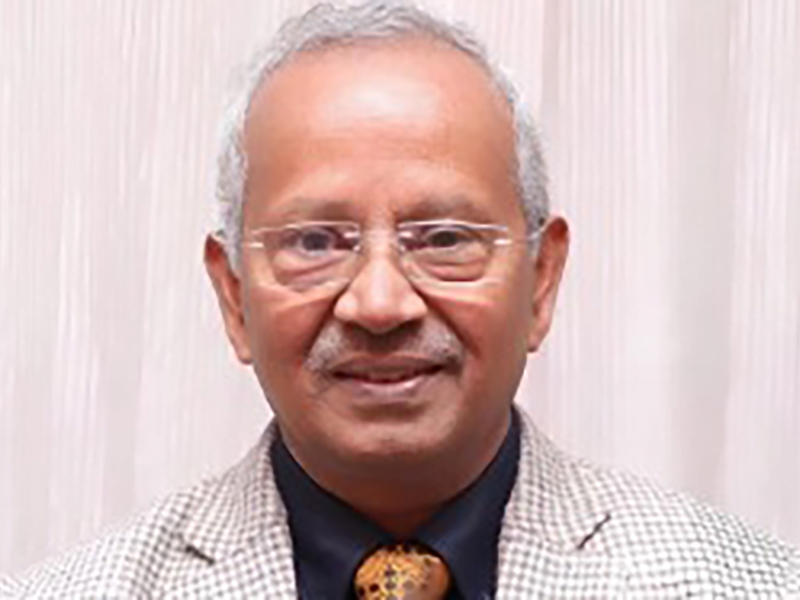
Nagendra Nath Sinha, MD, Rodic Digital & Advisory
The inauguration of the Ganga Expressway is a strong signal of how quickly India is scaling access-controlled, high-speed corridors. Beyond connectivity, projects of this kind improve reliability for freight and daily travel, reducing transit time and friction, and strengthening regional economic linkages. Equally important is the move toward more technology-enabled operations, from seamless tolling to better user experience and network management. As India builds larger and more complex corridors, execution discipline and digital governance will be critical to ensure these assets deliver consistent performance over their full lifecycle. Let us also be mindful that we see clusters of Expressway development and, therefore , draw a national roadmap of Expressways and work towards them in a foreseeable time.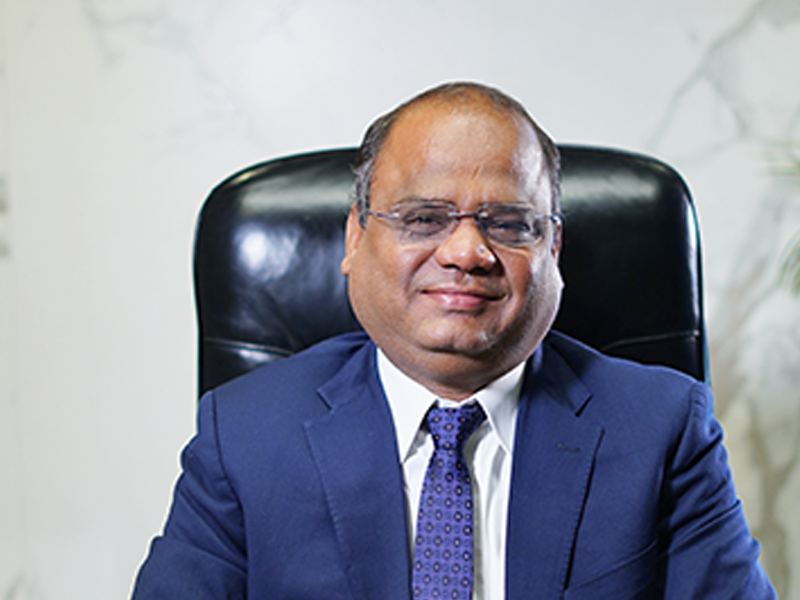
Santosh Agarwal, Executive Director & CFO, Alpha Corp Development Limited
The upcoming inauguration of the Ganga Expressway marks a significant milestone in Uttar Pradesh’s infrastructure evolution. Spanning 594 km with an estimated investment of ₹36,000 crore, the corridor will reduce travel time between Meerut and Prayagraj to nearly 5–6 hours. Passing through 12 districts, it is set to unlock development across multiple emerging micro-markets. Such large-scale connectivity has historically driven real estate growth, boosting both end-user demand and capital appreciation. Moreover, Meerut is expected to see heightened residential and commercial traction, positioning it as a key satellite hub within the state’s expanding economic landscape. Overall, this expressway is set to reshape the state’s real estate landscape and firmly position the region on the national investment map.
Published on:
29 April 2026
Share:
We Value Your Comment