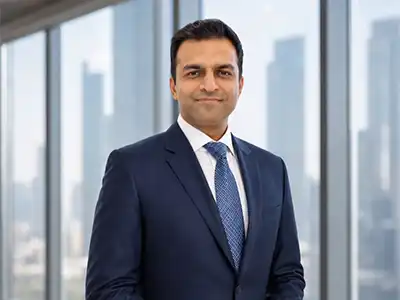
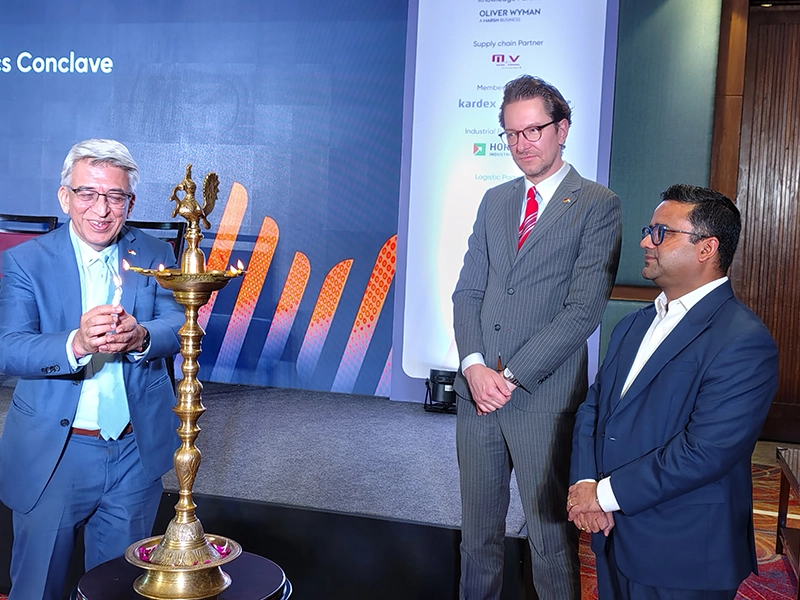
Addressing the gathering, Sebastian Borchmeyer, First Secretary, Economic and Global Affairs, Embassy of the Federal Republic of Germany, said that Germany remains the world’s third-largest economy and a global industrial powerhouse, while India is rapidly emerging as one of the world’s most dynamic manufacturing and innovation hubs. “Germany contributes advanced technologies, industrial expertise, and engineering excellence. India contributes scale, talent, entrepreneurship, and growth. Together, these strengths are highly complementary,” he said.
He highlighted the enormous potential for collaboration in advanced manufacturing, automotive, machinery, renewable energy, semiconductors, logistics infrastructure, hydrogen technologies, and digital supply chains. German companies, he informed, are eager partners in this journey. Many have already expanded their manufacturing operations in India, and are integrating India more deeply into their global supply chains as they increasingly view the country not only as a market but also as a production, innovation, and export hub.
“I often say that for German businesses, India is no longer a future market—it is a market of today. And nowhere is this more evident than in the area of supply chains,” he remarked.
Borchmeyer added that the recently concluded EU–India Free Trade Agreement will further strengthen this trend. The agreement is comprehensive, balanced, and commercially significant. It will eliminate tariffs on more than 90 percent of goods, reduce costs for businesses on both sides, facilitate investment, and create new opportunities for industrial cooperation.
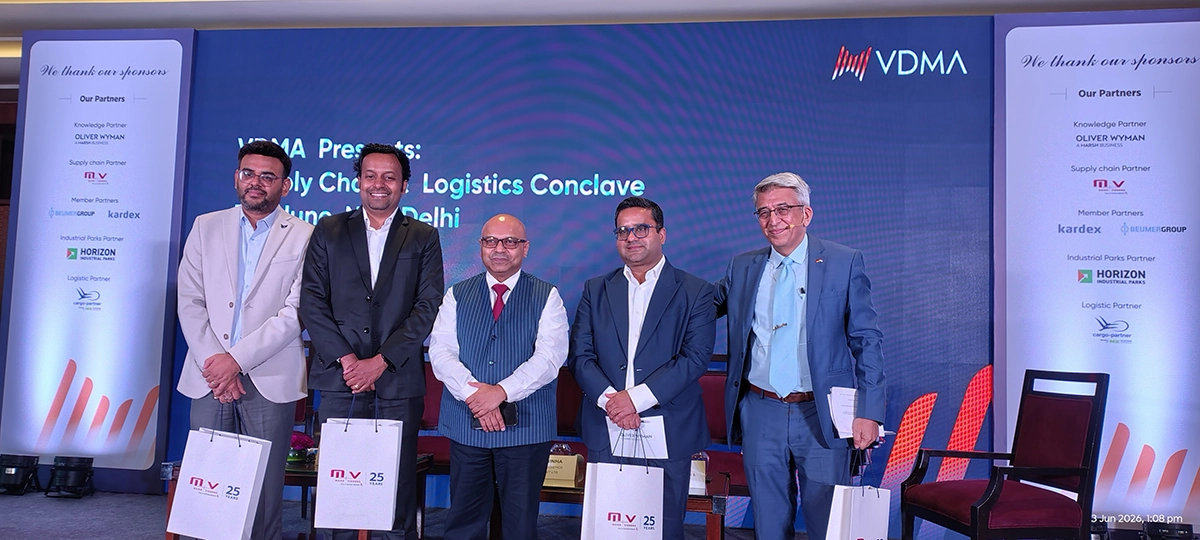
Beyond traditional trade routes, initiatives such as the India–Middle East–Europe Economic Corridor (IMEC) also demonstrate the growing importance of diversified and resilient connectivity between Europe and Asia. While still under development, IMEC reflects a shared ambition to strengthen infrastructure links, reduce vulnerabilities, and create additional pathways for trade and investment.
“Perhaps even more importantly, we are sending a strong signal at a time when some parts of the world are building walls: Europe and India are building bridges. At a time when uncertainty is rising, we are choosing cooperation,” he concluded.
In his inaugural address, Rajesh Nath, Managing Director, VDMA India, said that India stands at the centre of one of the world’s most significant economic transformations. As one of the fastest-growing major economies, India is rapidly strengthening its position as a global manufacturing, sourcing, and consumption hub. Infrastructure investments are accelerating, manufacturing capacities are expanding, exports are increasing, and digital adoption is reshaping industries across sectors. Yet behind every successful industry lies one common enabler—logistics.
Presentations on topics such as India’s Supply Chain Opportunity for 2047, Smart Warehousing, Powering Logistics and the Industrial Landscape of India, Digital Freight & Visibility, etc were delivered by industry experts.
Attendees are witnessed a power-packed panel discussion on “Supply Chain: Navigating India’s Path to Global Leadership” which explored the opportunities and challenges facing the sector and Industry 4.0 and related initiatives.
The panellists noted that many companies still view technology primarily in terms of upfront capital expenditure rather than total cost of ownership. They emphasized that the true value of technology lies not only in the initial investment but in the total lifecycle benefits it delivers.
Another issue highlighted was the need for greater investment in workforce development. The panellists observed that technology alone cannot drive progress unless companies simultaneously invest in the skilled workforce required to operate and maximize these technologies. Addressing these gaps will enable India to make significant strides in logistics development and structural transformation.
The discussion also highlighted the increasing readiness of Indian companies, including MSMEs, to adopt automation in warehousing. Industry leaders observed a notable shift in mindset, with businesses increasingly recognizing the long-term return on investment and operational efficiencies offered by automation and data-driven warehousing solutions.
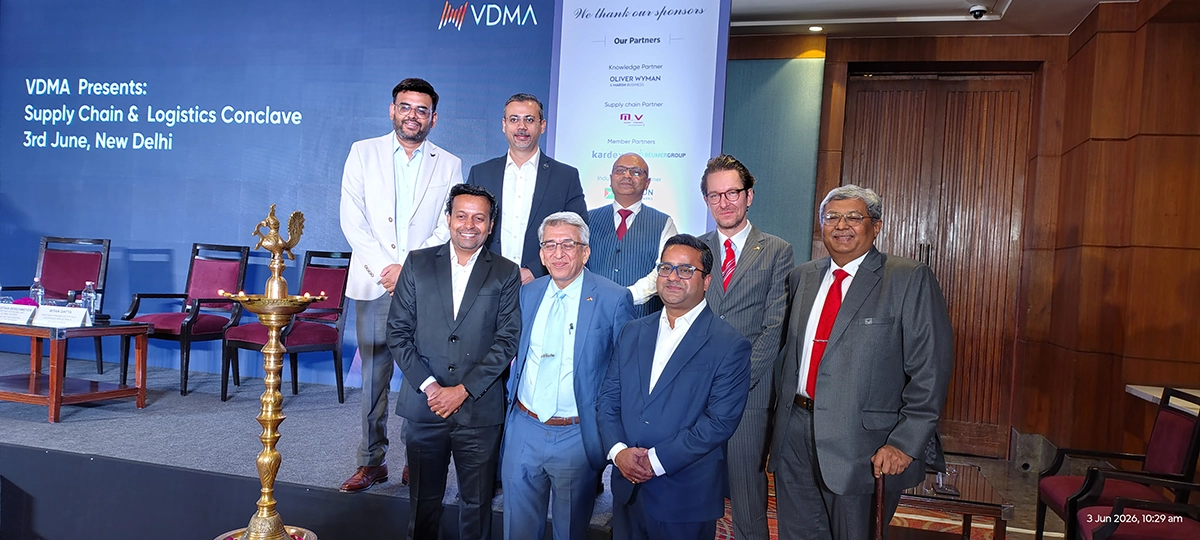
The conclave underscored the tremendous growth potential of India’s logistics sector. Valued at approximately USD 317.3 billion in 2024, the sector is projected to grow to nearly USD 484 billion by 2029, at a CAGR of around 8.8 percent. It contributes close to 14 percent of India’s GDP and supports employment for more than 22 million people, directly and indirectly.
At the same time, logistics costs in India account for nearly 13–14 percent of the GDP, significantly higher than the global benchmark of 8–10 percent seen in many developed economies. Industry experts opined that this gap represents a major opportunity for transformation through improvements in efficiency, connectivity, warehousing, freight movement, and digital visibility.
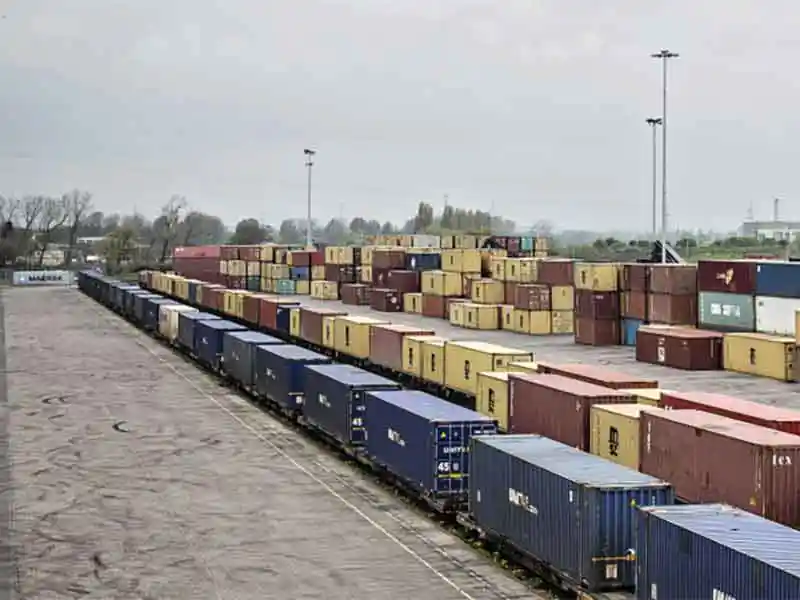
The conclave also highlighted the impact of initiatives such as the National Logistics Policy, PM Gati Shakti, Dedicated Freight Corridors, multimodal logistics parks, port modernization, and industrial corridor development, all of which are reshaping India’s logistics landscape and improving supply chain efficiency. Recent disruptions arising from geopolitical tensions, supply shortages, climate-related risks, and changing global trade dynamics have demonstrated that efficiency alone is no longer sufficient. Future-ready supply chains must be resilient, flexible, technology-enabled, and sustainable.
The event also focused on the growing importance of real-time visibility across supply chains. Businesses that can track inventory, anticipate disruptions, optimize routes, and seamlessly integrate operations are increasingly gaining a competitive advantage.
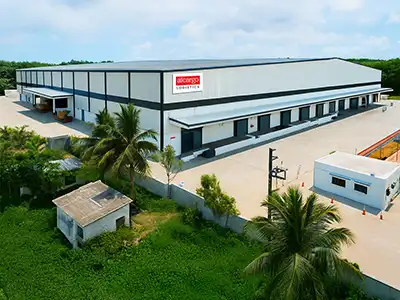
The warehousing sector was identified as another area undergoing rapid transformation. Driven by manufacturing growth, e-commerce expansion, retail modernization, and industrial diversification, organized warehousing demand has increased significantly. Modern warehouses are evolving from static storage facilities into integrated fulfilment and distribution centres powered by automation, analytics, and intelligent systems.
Sustainability also emerged as a key theme, with speakers emphasizing that green logistics practices are no longer optional but essential for long-term business success. The need for talent development was also highlighted, with India’s logistics ecosystem expected to require nearly 4.7 million additional skilled workers by 2030.
As India continues to advance its manufacturing ambitions through initiatives such as Make in India and various Production-Linked Incentive (PLI) schemes, supply chains will play an increasingly critical role in enhancing the country’s global competitiveness.
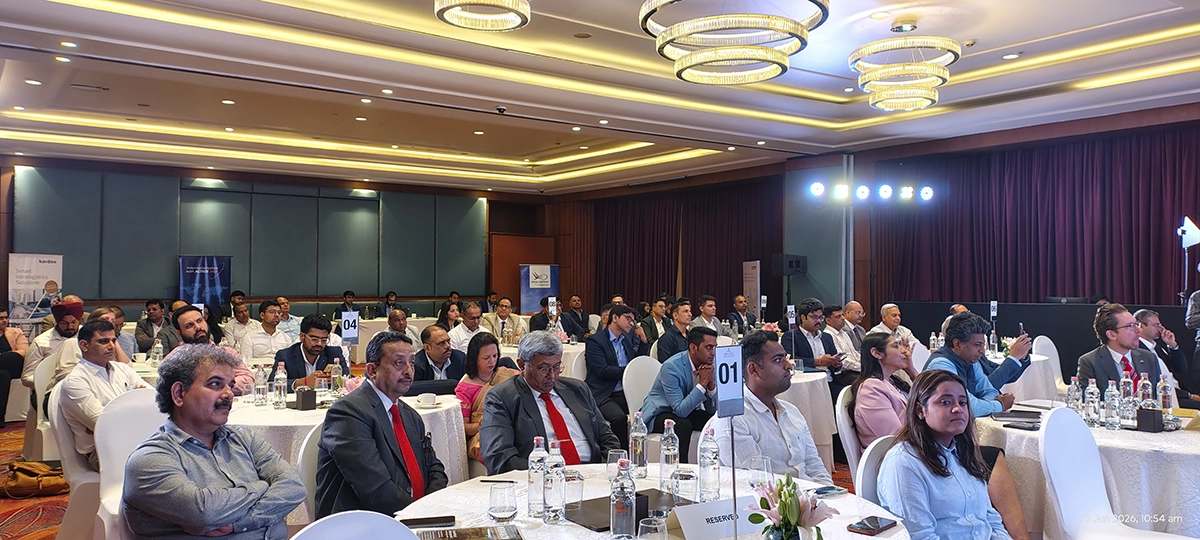
The conclave served as an important platform for meaningful dialogue and industry collaboration. By bringing together industry leaders, policymakers, technology providers, and logistics experts, it fostered discussions that not only identified key challenges but also outlined actionable pathways for the future. The exchange of ideas, experiences, and best practices will be instrumental in strengthening India’s supply chain ecosystem and supporting its journey towards becoming a global logistics and manufacturing powerhouse.
Rijoy Sengupta, Regional Head, VDMA India, delivered the vote of thanks and expressed his gratitude to all participants for their enthusiastic participation and valuable contributions.