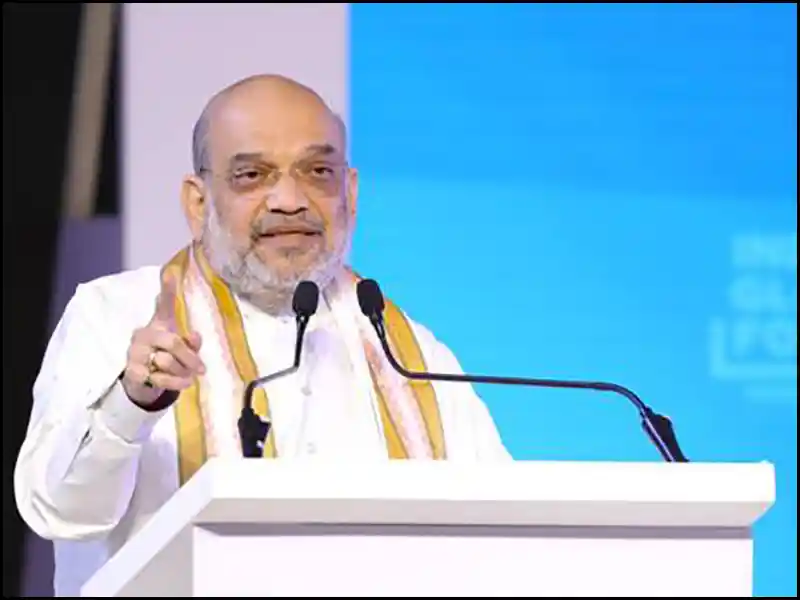
Of the total investment, projects worth around Rs 1,024 crore are being undertaken by the Ahmedabad Municipal Corporation (AMC), while works worth approximately Rs 400 crore have been completed or initiated through the Gujarat Government's Roads and Buildings Department and the Government of India.
A major focus of the development programme is the rehabilitation of slum dwellers at Ramapir No Tekro. Shah said the initiative builds on a housing scheme launched by Prime Minister Narendra Modi in 2007 to provide permanent homes to people living in slums. Under the project, residents are being provided with flats along with access to social security, recreational, educational and healthcare facilities. Once fully implemented, the project is expected to benefit more than 55,000 people.
The programme also included the inauguration of two primary schools. Shah said the Ahmedabad Municipal Corporation had upgraded primary schools in the area into smart schools, while similar initiatives were being implemented across the Gandhinagar Lok Sabha constituency.
In the Bopal-Ghuma area, the foundation stone was laid for a pump house to improve rainwater drainage and address waterlogging. Shah said the government was working towards putting a system in place before 2029 to prevent waterlogging in the area.
Work also commenced on the 4-km-long ISKCON overbridge, which is planned to provide signal-free connectivity between Sarkhej and Gandhinagar. The project is expected to be completed within three years. The Jalasapur Water Treatment Plant was also inaugurated during the programme.
Shah said development works worth approximately Rs 25,000 crore had been completed in the Gandhinagar Lok Sabha constituency over the past seven years, including the projects announced during the event.
The Home Minister also highlighted the government's efforts to strengthen law enforcement and address drug-related activities in Gujarat. Referring to a recent meeting between the Union Ministry of Home Affairs and Gujarat's Home Department, he said discussions covered the implementation of new criminal laws, modernisation of the Home Department and measures to make the state drug-free.
He urged citizens to report drug-related activities through the 1033 helpline, assuring that the identity of informants would remain confidential. The government is also establishing de-addiction centres and encouraging families to seek treatment for young people struggling with substance abuse.
Shah said a control room would become operational from December 1, with a mechanism to ensure action within three hours of receiving information related to drugs. He called for greater cooperation among government agencies, teachers, parents and citizens to achieve the target of a drug-free Gujarat by December 31, 2028, and a drug-free India by December 31, 2029.
During the programme, Shah administered a pledge to local residents to contribute towards making Gujarat drug-free. He also extended his greetings to the people of Gujarat on Diwali and the Gujarati New Year.