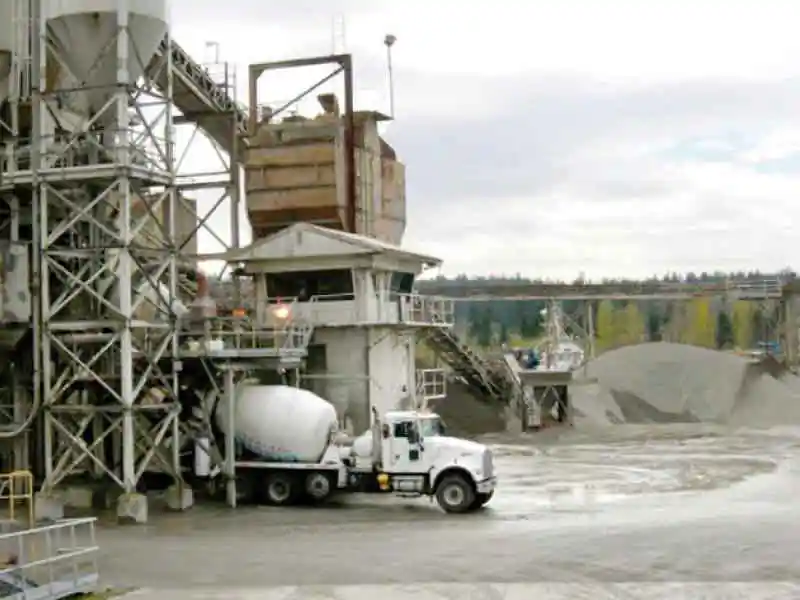

Located in Petnikota village in Kolimigundla mandal in the Rayalaseema region, the integrated cement plant has a clinkerisation capacity of 3.3 million tonnes per annum (MTPA) and a cement dispatch capacity of 3.6 MTPA, according to Andhra Pradesh minister Nara Lokesh.
The project is expected to generate direct employment for 650 people and indirect employment for another 2,000, taking the total employment associated with the facility to 2,650.
The plant incorporates several energy and resource conservation measures. Its power requirements will be supported by a 35 MW hybrid wind and solar power system with battery storage, alongside a 20 MW waste heat recovery system. The facility does not have a captive thermal power plant and has been designed to operate on renewable energy.
UltraTech has also designed the plant to operate without using groundwater, relying on water conservation and recycling systems. Other features include provisions to use plastic and municipal waste as alternative fuels, electric vehicles for mining and clinker transportation, covered raw material storage and an extensive green belt.
The facility will produce composite cement using slag and fly ash, supporting the use of industrial by-products in cement manufacturing.
The plant also features an automated robotic laboratory, real-time material analysis and process-monitoring systems to support production efficiency and quality control. Its digital logistics infrastructure includes radio-frequency identification-based vehicle tracking and unmanned weighbridges.
The commissioning expands UltraTech's manufacturing capacity in Andhra Pradesh's Rayalaseema region, where infrastructure development and industrial activity are expected to support demand for construction materials. The project is part of the company's wider manufacturing network across India and combines cement production with renewable energy, waste recovery and water conservation measures.