
The recent, severe floods in Punjab and Himachal Pradesh have brought this vulnerability into sharp focus. Described as the worst in decades, the crisis has been devastating. Over 4 lakh acres of farmland in Punjab have been submerged, with entire paddy crops ruined. The land is now unsuitable for sowing winter wheat, a dire blow to the country's breadbasket. The floods have had a cascading effect on the food supply chain. Perishable goods from Himachal Pradesh are often cut off due to damaged roads, and those that arrive are frequently spoiled because of prolonged transit times. This is not just a logistical problem; it’s a national food security issue.
The solution to this multifaceted problem is a complete overhaul of the supply chain through modern cold chain logistics. Modern cold chain logistics offers a solution to this by creating a robust, efficient, and reliable system that minimizes waste and guarantees the delivery of fresh, high-quality products. This seamless, temperature-controlled environment is reshaping how food is moved and consumed. This revolution is anchored on three foundational pillars:
End-to-End Distribution and Multi-Temperature Logistics
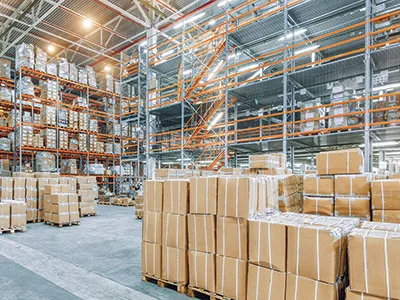
The first and most critical measure of this transformation is an end-to-end distribution model. The traditional fragmented supply chain involves numerous intermediaries, each handling a part of the journey. This process creates multiple points of failure. These are "cold chain breaks," where a product is exposed to temperature fluctuations, compromising its quality and safety. A truly seamless system maintains a consistent, temperature-controlled environment from harvest to delivery.This is complex in a country as diverse as India, requiring a multi-temperature approach. Food items are not a monolith; they have specific and varied temperature needs. Frozen goods need sub-zero temperatures, while chilled dairy and fresh vegetables require a consistent refrigerated environment. A modern logistics provider offers a comprehensive suite of solutions to handle this complexity. This includes everything from demand planning and forecasting to sourcing, procurement, temperature-controlled warehousing, primary and secondary transportation, and last-mile delivery.
By acting as a single, one-stop shop, these networks simplify vendor management and reduce costs. The ability to manage a diverse fleet of vehicles with varied temperature zones is a hallmark of this evolution. Most importantly, they protect product quality by ensuring full compliance with food safety standards.
India needs a modern cold chain — and the speed at which stakeholders, from farmers to the food service industry, collaborate to build it will be crucial. The faster we scale, the closer we get to achieving true food security. At FSN, we view the cold chain not as a cost, but as a strategic investment in the nation’s food security.
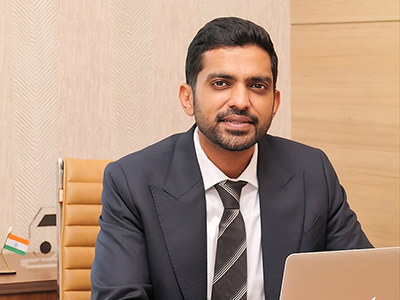
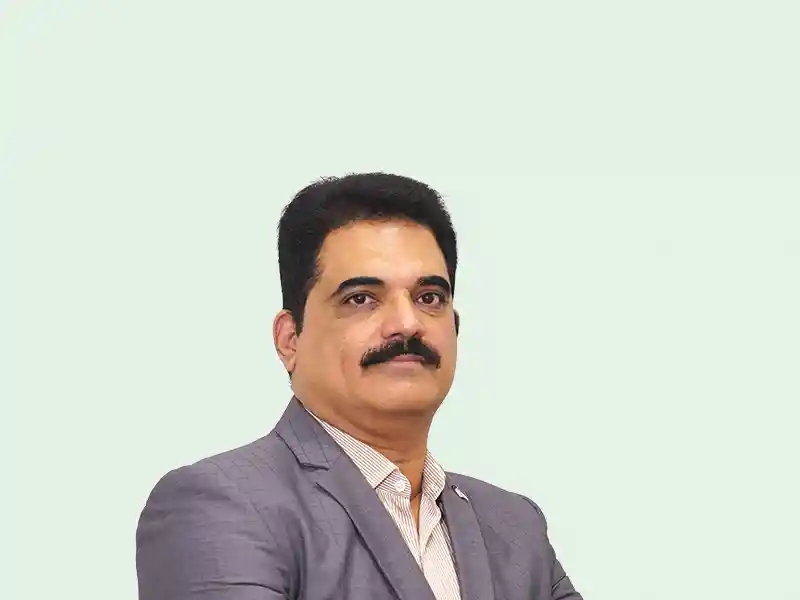
Rajesh Shetty, Co-founder and CEO, FSN
Tech-Driven Operations for Real-Time Visibility
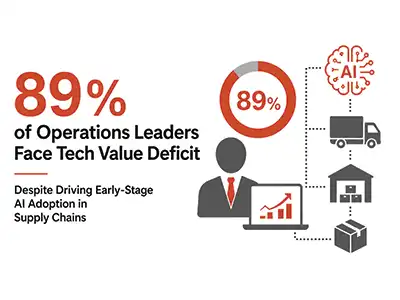
The second measure is the integration of technology for real-time visibility and control. The traditional supply chain is opaque. It’s difficult to track products and manage inventory efficiently. This lack of transparency is a major contributor to food waste. Businesses are often unable to react quickly to issues like spoilage or delays, leading to significant losses.Modern cold chain solutions use an integrated tech stack to provide a complete digital overview. This technology includes several critical components. Real-time tracking allows businesses to monitor products every step of the way. This level of transparency provides assurance and allows for quick resolution of any issues that may arise. AI-powered predictive demand planning forecasts demand patterns for more precise inventory management. This reduces the risk of both overstocking and understocking.
Transparent dashboards give businesses a clear view of stock levels, order status, and delivery performance. This data-driven approach helps ensure a "100% fill rate". Advanced features like consignment-level tracking and menu-based ordering streamline operations for food service businesses. The digitalization of the supply chain not only reduces waste but also provides invaluable data for continuous optimization.
A Consolidated Fulfillment Network
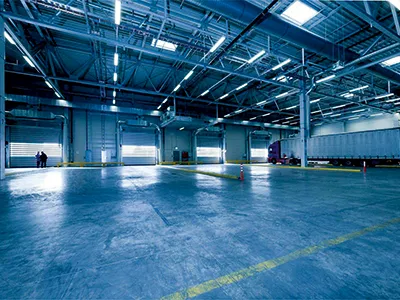
The third crucial measure is deploying a wide-reaching, consolidated fulfillment network. India’s vast geography, with its mix of bustling cities and remote towns, presents a significant logistical challenge. A fragmented logistics landscape leads to substantial post-harvest losses, as products struggle to get from farms in one region to markets in another.A robust, nationwide network with pan-India fulfillment capability is key to overcoming this fragmentation. By establishing a network of strategically located distribution centers, logistics providers can offer a standardized supply with consistent service to customers across India. Networks with dozens of distribution centers across major cities and a large fleet of vehicles have the flexibility and scale to overcome any geographic bottlenecks. For instance, in the event of floods blocking a primary route, a large, integrated network can quickly reroute supplies through alternate hubs, ensuring continuity of service.
The consolidation of procurement from hundreds of suppliers into a single platform streamlines the process for food service businesses. It reduces complexity and provides reliable access to quality products. For manufacturers, such a network means they can distribute their products more widely and efficiently, tapping into new markets and reducing logistical overheads. This expansive, consolidated approach is essential for building a resilient food system that can withstand the challenges of distance and climate.