
Building the Backbone
The real power of PM Gati Shakti comes from its focus on physical infrastructure that supports multimodal freight. Cargo terminals are a prime example, with 112 already commissioned ahead of the original target of 100 by 2025. These terminals, backed by investments of over Rs 5,300 crore, handle everything from coal and containers to automobiles and food grains, moving more than 300 million tonnes of cargo so far. Take the massive automobile terminal in Manesar, Haryana. It's the largest in India, capable of dispatching 4.5 lakh vehicles a year to cities and ports. Connected by a dedicated rail link, it shows how these hubs link factories directly to transport networks.Then there are the dedicated freight corridors, stretching over 2,800 kilometers with 96.4% now operational. The Eastern corridor runs 1,337 kilometers from Punjab to West Bengal, while the Western one covers 1,506 kilometers from Uttar Pradesh to Mumbai. These corridors use advanced tech like high-capacity tracks and electric traction, allowing trains to carry heavier loads at speeds up to 70 kmph, double the old average. They connect industrial areas to ports and highways, making it easier to shift goods between modes. This infrastructure is not just about building more; it's about creating smart connections that speed up the entire freight process.
Transforming Freight Movement Across India
Freight movement in India is shifting from a road-heavy system to a balanced multimodal one, thanks to Gati Shakti. Roads used to handle about 68% of cargo, but now there's a push to increase rail's share from 27% to 45% by 2030. This change is driven by corridors that let trains replace dozens of trucks. A one kilometer-long freight train can take the place of 72 trucks, easing highway congestion. As a result, goods now flow more smoothly, with terminals acting as transfer points where cargo switches from road to rail or ship without long waits. For instance, exporters in northern India can send containers via the Western corridor to ports like Mundra, cutting transit times by half.Digital tools are playing a big role here as well. The Unified Logistics Interface Platform (ULIP), for example, integrates data from multiple systems. This enables real-time tracking, which in turn, helps avoid delays. Ports have improved turnaround times to just 0.9 days, faster than in the US or Germany. This get translated into better planning for businesses, with fewer surprises in shipping schedules. Overall, freight is moving faster and more predictably, supporting industries like manufacturing and agriculture that rely on timely deliveries. The result is a logistics system that's more responsive to market needs, helping India compete globally.
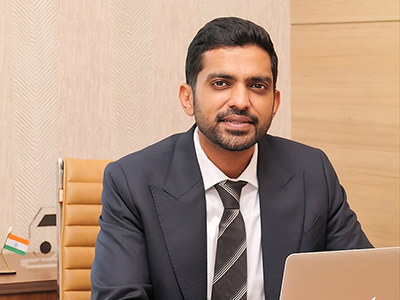
Vineet Malik, Co-founder and CCO (Chief Customs Officer) at Hexalog, states that freight movement in India is gradually shifting from a road-heavy system to a more balanced multimodal network, thanks to the Gati Shakti initiative. While roads previously handled around 68% of cargo, there is now a concerted push to increase rail’s share from 27% to 45% by 2030.

Driving Down Costs for Businesses and the Economy
Cost efficiency is where Gati Shakti really shines, bringing India's logistics expenses in line with global standards. Studies show these costs have dropped from 13-15% of GDP to 7.8-8.9%, with a target of 8% by 2030. Rail transport, at Rs 1.41 per tonne-kilometer, is much cheaper than road's Rs 2.50, so shifting more freight to trains saves money. The corridors and terminals reduce transit times by up to 50%, meaning less fuel and labor spent on delays. For example, the Manesar terminal alone is expected to save 60 million liters of fuel yearly.On a broader scale, infrastructure investments under Gati Shakti have a multiplier effect. Every rupee spent generates 2.5-3.5 times in economic output. This boosts manufacturing and exports by making goods cheaper to produce and ship. The initiative has identified projects worth Rs 11.17 lakh crore across energy, mineral, and port corridors, with many already underway. Businesses benefit from lower inventory costs since goods arrive faster, and the digital platform helps optimize routes to avoid waste. India's ranking in the World Bank's Logistics Performance Index jumped to 38th in 2023 from 54th in 2014, reflecting these gains. In simple terms, cheaper logistics translate to more competitive products, more jobs, and stronger growth for the whole economy.
Looking Ahead
While Gati Shakti has made impressive strides, the path forward goes through some hurdles. Coordinating between central and state agencies and securing steady funding remain some key challenges. Private sector involvement shows promise but needs clearer rules to grow. Technology integration, from AI analytics to real-time data platforms, will be crucial for handling rising demand as India eyes a top-25 spot in global logistics rankings by 2030. Expanding multimodal parks will create more hubs for seamless transfers, but execution has to keep pace with ambitions.The initiative's success depends on adapting to changes, like the energy transition away from coal, which dominates rail freight. Opportunities abound in areas like export growth through better port links and job creation in logistics. With policies like the National Logistics Policy complementing Gati Shakti, India can aim for single-digit logistics costs, boosting trade and manufacturing. The key is maintaining momentum through public-private partnerships and continuous monitoring. If done right, this push could transform India into a logistics powerhouse, driving inclusive growth and positioning the country as a reliable global player in freight movement.