Sub-surface engineering, hydraulic, and geotechnical precision form the invisible framework that determines whether an infrastructure project merely stands or stands the test of time. In a country like India, where the diversity of soil, terrain, and climate can change within a few metres, understanding what lies beneath the ground is not a preliminary exercise, it is the very first act of nation-building.
The Foundation of Resilience
Every bridge, tunnel, or industrial facility depends on ground behaviour meaning how soil and rock will respond to pressure, water, and seismic forces. This makes geotechnical insight the cornerstone of structural safety and sustainability. As India invests over USD 1.4 trillion in infrastructure under the National Infrastructure Pipeline (NIP), the emphasis must shift from “how fast” we build to “how soundly” we build.Accurate sub-surface intelligence enables project planners to anticipate risks before they become costly failures. From slope stability assessments in hilly terrains to groundwater mapping in coastal regions, the ability to visualize and model the underground environment has become central to infrastructure resilience.
Today, with extreme weather events and climate variability increasingly influencing project outcomes, factoring in sub-surface data is no longer optional. Flooding, soil erosion, and ground movement can compromise even the best-designed structures if the foundations are not informed by accurate geotechnical studies. The integration of real-time monitoring systems using sensors, automated instrumentation, and data analytics is allowing infrastructure to ‘communicate’ its health continuously, alerting engineers before minor displacements turn into major failures.
Geotechnical Precision in a Rapidly Urbanising India
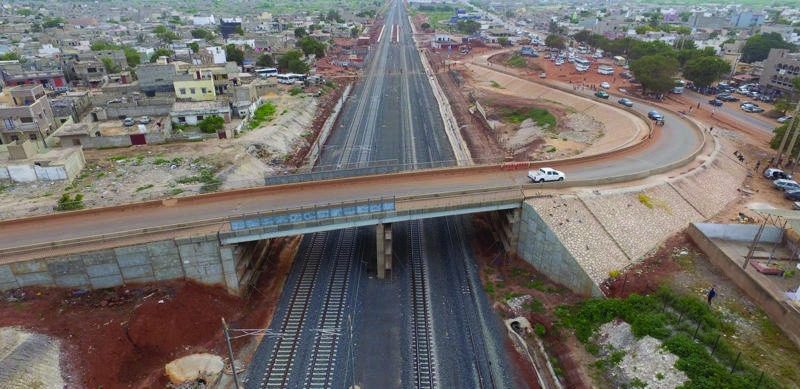
India’s urban expansion has led to complex engineering challenges. Metro tunnels passing beneath heritage structures, or highways traversing flood-prone areas, require more than conventional design thinking. They demand a multi-disciplinary approach where geology, data science, and field engineering converge.Accurate ground modelling helps identify the safest and most cost-effective design solutions. A minor misjudgement in soil bearing capacity or groundwater flow can result in years of repair, escalating costs, and public inconvenience. Precision in subsurface data collection through advanced investigation, instrumentation, and monitoring ensures that infrastructure longevity aligns with India’s long-term growth ambitions.
The Technological Undercurrent
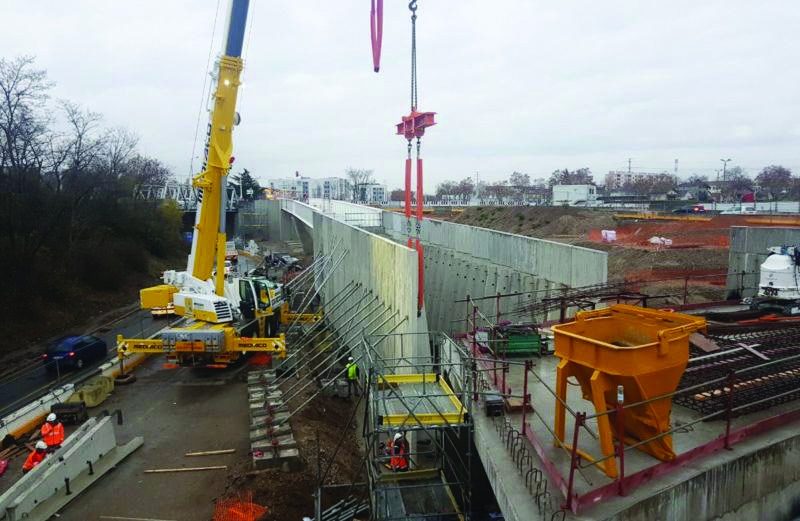
The modern infrastructure ecosystem is increasingly driven by precision and predictability; this is evident in sub-surface engineering. Today, the use of advanced investigation tools, automated instrumentation, and digital monitoring systems has redefined how engineers understand and manage ground behaviour.Continuous monitoring of parameters such as pore water pressure, settlement, and lateral movement now enables engineers to detect deviations early and act before they escalate into safety or cost risks. Combined with modern analytical tools, laboratory innovations, and real-time data interpretation, these systems bring precision to soil characterization, slope stability modelling, and foundation design turning geotechnical engineering into a dynamic, evidence-based discipline where every design decision is measurable, responsive, and performance-driven.
Sustainability Begins Below Ground
The conversation around sustainability often focuses on renewable materials or low-carbon material for construction. Informed geotechnical interventions can prevent groundwater contamination, minimize excavation waste, and preserve ecological balance in sensitive zones.Moreover, when infrastructure is built on solid foundations, it requires less maintenance and rehabilitation over time in turn reducing the carbon footprint associated with repeated reconstruction. In essence, responsible sub-surface engineering is sustainability in its most literal form.
Effective subsurface drainage and ground stabilization are equally critical components of sustainable infrastructure. Proper drainage design ensures that water is channelled safely away from foundations, preventing soil weakening, structural distress, and long-term settlement issues. In India’s diverse climatic conditions where monsoon intensity, groundwater levels, and terrain vary drastically, well-engineered sub-surface drainage systems using geosynthetics - can significantly extend asset life while protecting nearby ecosystems.
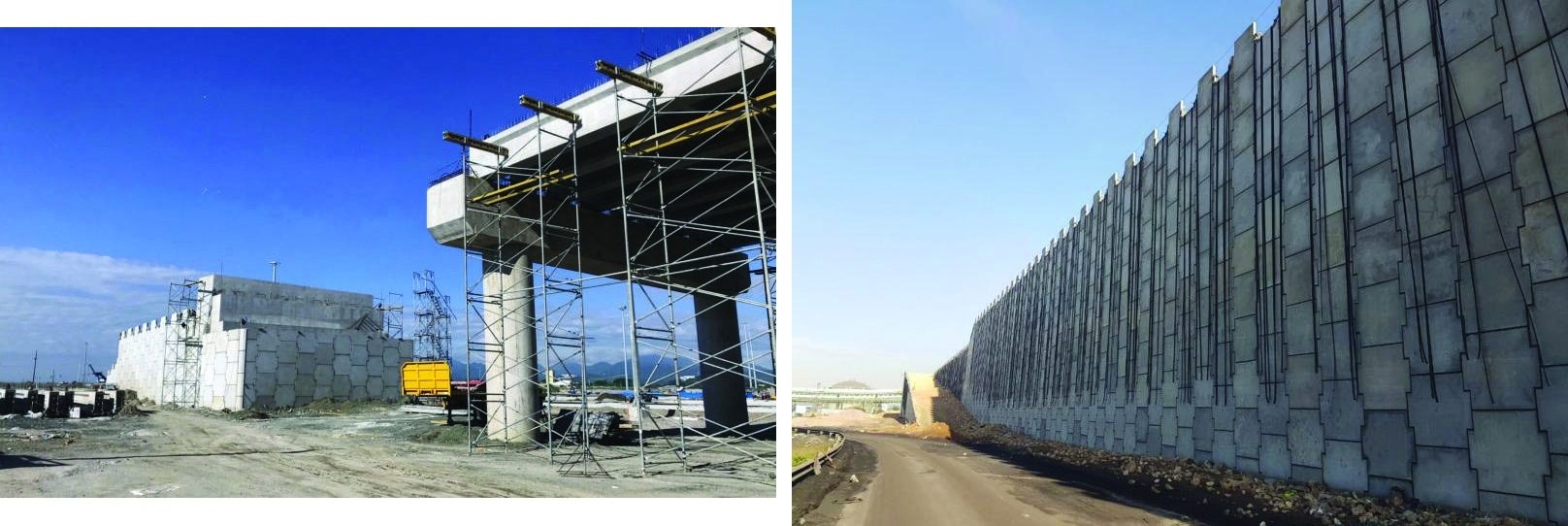
Likewise, techniques such as basal reinforcement, soil nailing, and ground improvement enhance load-bearing capacity and control deformation, ensuring that embankments, retaining walls, and foundations remain stable even under variable loads or seismic conditions. Together, these interventions transform the ground from a passive element into an active system, i.e., one that supports, stabilizes, and sustains infrastructure throughout its lifecycle.
Towards a More Informed Infrastructure Future
As India accelerates towards becoming a $5-trillion economy, infrastructure will remain its strongest lever. However, the success of that infrastructure will not be measured only in kilometres built or megawatts generated but also in how safely, sustainably, and intelligently it is grounded.For policymakers and project developers, this calls for a cultural shift, one that places geotechnical and sub-surface studies at the forefront of planning rather than as a compliance formality. Investing in ground intelligence is not an added cost but also it is an assurance of reliability, safety, public trust, and long-term asset performance.