To build financially viable projects contractors must adopt sustainable construction practices and take initiatives like reducing wastage and CO2 emissions during construction, so that they can achieve reduced total cost of ownership.
Govind Krishnan Muthukumar - MD & Co-Founder, Tridhaatu Realty

In the realm of construction and development, the pursuit of sustainability is no longer just a moral or environmental imperative—it has become a strategic business decision. As developers, our role extends beyond erecting buildings; it encompasses shaping communities and fostering long-term value. Central to achieving this vision is integrating sustainability initiatives that not only reduce environmental impact but also enhance financial viability and operational efficiency.
One of the foremost challenges in construction projects is managing costs while adhering to stringent environmental standards. Traditionally, there has been a perception that sustainable practices inflate project costs. However, modern approaches debunk this myth by demonstrating that sustainability can significantly reduce the total cost of ownership over a building's lifecycle.
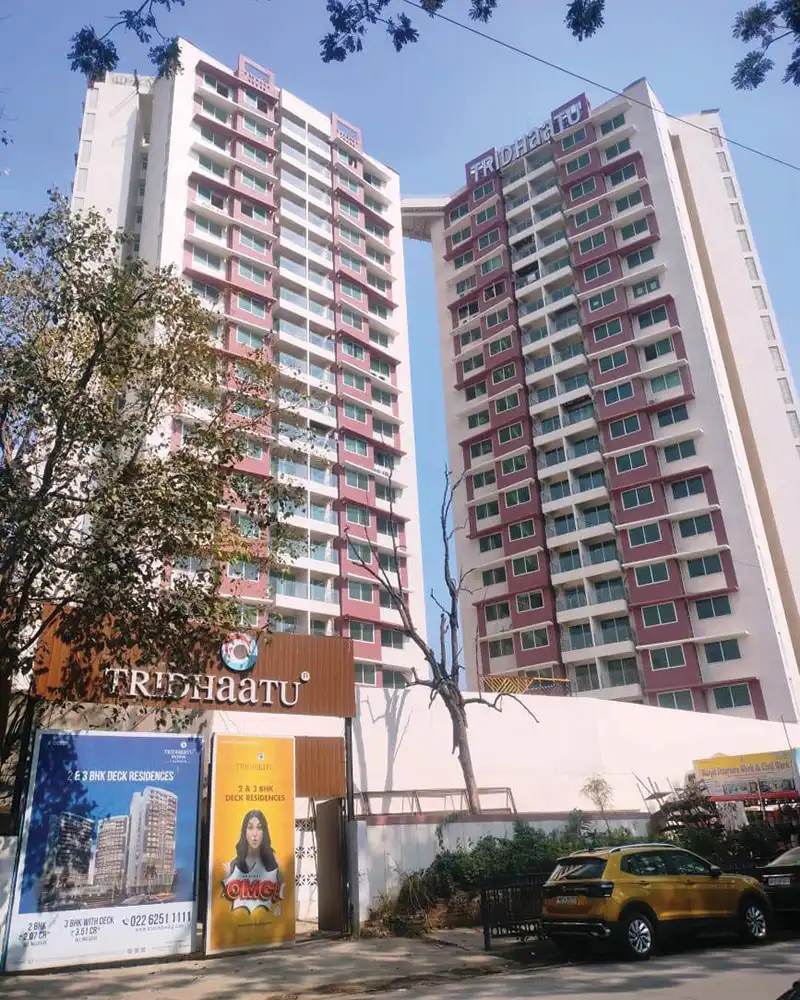
Addressing climate change is a global imperative, and the construction sector plays a pivotal role in mitigating greenhouse gas emissions. Strategies such as using sustainable building materials, adopting energy-efficient designs, and incorporating renewable energy sources are integral to reducing CO2 emissions during construction and operation phases. These initiatives not only align with regulatory frameworks but also position projects as exemplars of environmental stewardship. Furthermore, reducing CO2 emissions translates into tangible financial benefits. Lower energy consumption leads to reduced operational costs over the building's lifespan, enhancing its attractiveness to tenants and investors.
At its core, sustainability in construction is about creating long-term value. By integrating sustainable initiatives from the project's inception, developers can mitigate risks associated with future regulatory changes and operational inefficiencies. Sustainable buildings command higher rental yields, experience lower vacancy rates, and offer enhanced occupant satisfaction—all of which contribute to superior financial performance and investor confidence.
Moreover, sustainable buildings are future-proofed against evolving market demands and consumer preferences. They embody resilience in design, adaptability to technological advancements, and a commitment to community well-being.
In conclusion, sustainable development is not merely a trend but a transformative approach to construction and development. As developers, we can innovate, collaborate, and lead by example. By reducing waste, lowering CO2 emissions, and enhancing financial viability, we not only fulfill our ethical responsibilities but also unlock new opportunities for growth and prosperity.