Competitiveness in the CE Industry will be defined by technology adoption, customer-centric approach, skilling the workforce, and a shift to smart, high-performance equipment.
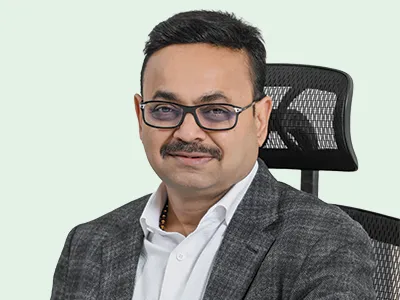
Puneet Vidyarthi, Head - Brand Marketing, APAC & India

How do you see India’s construction equipment market progressing and how can the growth momentum be sustained?
India’s construction equipment market is undergoing a major shift, driven by the government’s strong focus on infrastructure development and regulatory reforms. The industry is growing steadily on the back of projects such as Bharatmala, Gati Shakti, and the National Infrastructure Pipeline.The introduction of CEV Stage V norms from January 2025 marks an important step in aligning India with global emission standards. While these norms push the industry toward cleaner, fuel-efficient machines, they have also driven the use of advanced technologies. This has increased equipment costs by around 12–15 percent, posing short-term challenges for smaller contractors.

Investment in skill development, digital technology, and after-sales service will further strengthen India’s position as a hub for high-quality, reliable, and sustainable construction equipment. At CASE, we believe India has the potential to become a global manufacturing base that drives innovation while supporting the country’s infrastructure ambitions.
How is your company diversifying its product portfolio to meet the needs of contractors, rental companies, and end-users in India?
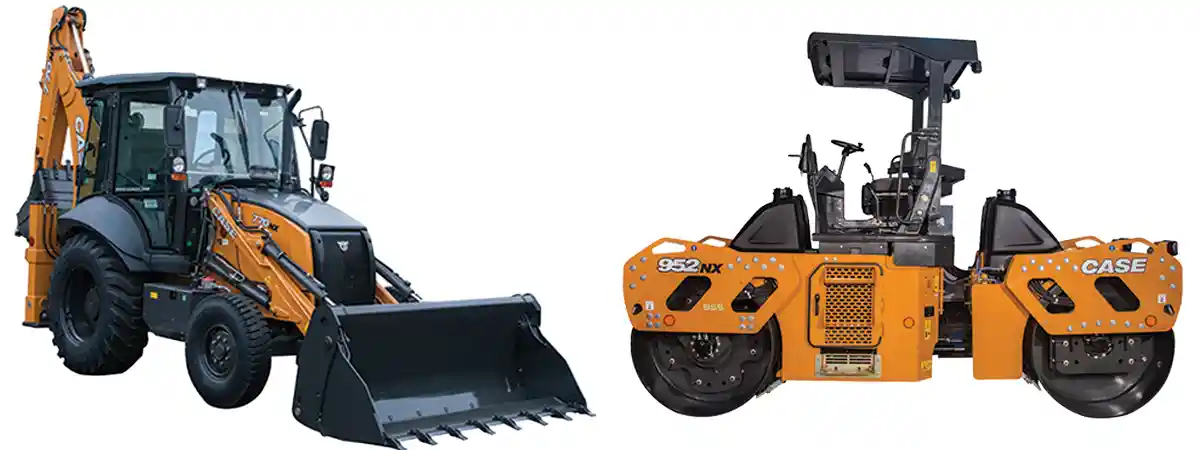
With major developments in roads, railways, and industrial corridors driving demand for versatile and high-performing construction equipment, contractors and rental firms are seeking machines that not only deliver power and precision, but which also support faster project completion and lower operating costs. This shift is also creating a growing need for smart, sustainable, and technology-enabled equipment tailored to Indian conditions.At CASE, we are strengthening our portfolio to address these needs through both product and service innovation. Our new-generation excavators, loader backhoes, and compactors are designed for complex applications. They are equipped with advanced telematics solutions that enable real-time monitoring, predictive maintenance, and better fleet utilization. We are also investing in electric equipment and operator-assist automation to promote sustainability and efficiency. These advancements help our customers achieve higher productivity, reduced downtime, and improved profitability.
How is your company advancing environmentally responsible construction equipment and operations?
India’s push toward a net-zero future is transforming the construction equipment sector, with a clear emphasis on sustainable operations and resource efficiency. The market is set to reach USD 1.21 trillion in 2025, growing over 7%, supported by major infrastructure projects, metro rail expansion, and smart city investments. Government reforms and an allocation of INR 1.4 trillion through the NIP are attracting both domestic and international capital. Meanwhile, rapid adoption of BIM, AI, and modular construction is enhancing operational efficiency and global competitiveness.In this dynamic environment, competitiveness will be defined by innovation, technology adoption, and customer-centric solutions. At CASE India, we are delivering CEV V-compliant, fuel-efficient machines, supported by digital tools like myCASE telematics and FLEET Pro for predictive maintenance and optimized usage. Strengthening local R&D, manufacturing, and after-sales service ensures reliability, cost efficiency, and supports contractors’ transition to sustainable, high-performance equipment.
What are the company’s initiatives for building a long-term relationship with its customers?
As infrastructure projects expand and the demand for advanced machinery grows, customers are now looking for trusted brands that deliver durable products with dependable product performance under local working conditions, backed by support long after the sale.At CASE India, we build long-term relationships through open practices, strong after-sales service, and value-driven solutions. With an extensive network of 65 dealers and 215 touchpoints across the country, we ensure easy access to service centers and genuine spare parts, minimizing downtime for customers. We also invest in training programs to help operators work efficiently and safely. Our BS CEV Stage V-compliant machines reflect our commitment to sustainability and innovation.
What initiatives has your company undertaken to promote skill development, inclusivity, and capacity building within its workforce?
Our CSR initiatives, including Hunar at the Pithampur facility, Project Vijeta, and Project Shilpi, train youth from underprivileged backgrounds, mechanics, and service providers in safe machine operation, basic maintenance, and digital tools, helping them build stable careers and practical skills for the construction industry.Our Made-in-India skid steer loader is manufactured on an all-women production line in Pithampur, combining advanced machinery with diverse workforce participation. Our dealer network across India further drives capacity building by offering expert guidance, timely service, and continuous engagement, creating a skilled and a future-ready construction community.