There is a growing demand for low-clinker cements, alternative binders, precast systems, AAC, recycled aggregates, etc. which is creating a strong commercial runway for low carbon materials in both the public and private space.
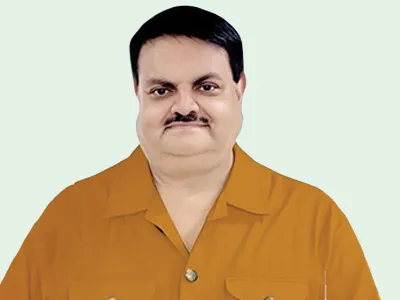
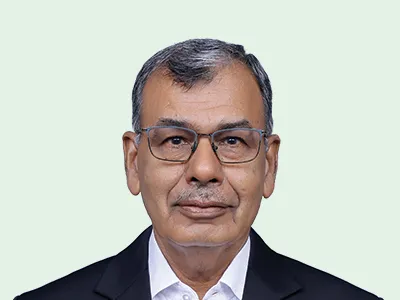
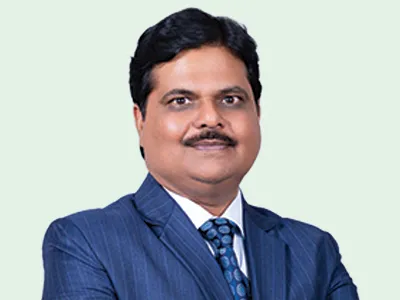
Dr. Ramachandra V, National President

How is ICI fostering research, collaboration, standardization, and large-scale adoption of sustainable material innovations across the industry?
Concrete Technology is undergoing constant changes in terms of materials and methods. Use of multi-blended cements, newer minerals and chemical admixtures, alternate and recycled aggregates, are contributing towards the production of low-carbon concretes.ICI has produced several technical handbooks on topics related to sustainability and durability, precast concrete structures, alternatives to aggregates, water proofing, etc, with the involvement of research institutions, designers, and construction firms. ICI actively takes part in the standardization of Indian Codes, and subject experts from ICI participate in BIS committees on concrete.
What potential do you see for low carbon materials and technologies in the Indian context?
The low carbon material market in India is expanding rapidly and there is a clear ecosystem push for scaling up. Several projects in the public and private space are insisting on low-carbon materials. This creates a strong commercial runway for products like low-clinker cements, alternative binders, precast systems, AAC, recycled aggregates, use of bottom ash as aggregates, etc.The Government of India has laid out a time plan for achieving CO2 net zero targets (2050 for concrete and 2070 for cement), and both the industries are actively working on these timelines. Design engineers are exploring alternate structural designs for buildings and roads to achieve sustainable constructions.
Why is the adoption of advanced & sustainable concrete technologies in India’s construction industry slow or inconsistent?
Regulatory gaps, absence of clear performance-based codes for low carbon concrete, use of recycled and alternate aggregates etc, commercially unviable cost of CCUS (Carbon Capture, Utilisation and Storage), limited awareness of sustainability among contractors (who often prioritise short-term cost savings over life cycle benefits), supply chain constraints, SCMs like fly ash, slag, whose availability and quality are inconsistent across regions., are reasons for the slow implementation of sustainable products and solutions in the construction industry.How do you see the use of BIM, digital twins, IoT-enabled monitoring, and AI-driven predictive systems transforming design, execution, and quality control in concrete construction?
BIM is already being used in many of the projects in India. IoT is helping the construction industry by providing remote sensing, connectivity, and data acquisition. Sensors and smart devices are embedded in roads, water pipelines, buildings, and power grids to collect real time data.Measuring concrete strength, deflections and crack formation/ propagation is now possible. In a pilot white topping project in Kharagpur (in WB), IIT Kharagpur has successfully implemented it. The data collected by IoT is communicated through networks and fed into AI systems, which does an analysis, interpretation, and prediction of performance, failures, and suggests interventions. Going ahead, AI will be able to help the repair/rehabilitation industry in a big way through such interventions.
How does ICI equip both future and practicing engineers with the necessary technical know-how on modern construction, digitalization, and sustainable practices?
Indian Concrete Institute is a professional body with 50 centers across the country and 15,000+ members representing all facets of concrete construction. It trains workmen on good concreting practices, on achieving sustainability through optimum use of materials, efficient concrete mix design, and on alternative methods of structural design, etc.The Institute publishes quarterly journals with articles on concrete and construction by researchers and field professionals in India and abroad, and is closely involved with engineering institutes through 400+ Student Chapters across the country. Our experts work in modifying the syllabus to include the latest materials/ technologies in construction, organizing internships for students with the industry, conducting training & skill building programs, etc. Many institutions have a dedicated subject on sustainable practices, AI & ML (Artificial intelligence and Machine Learning) and data analytics applied to construction industry.
ICI also enables practicing engineers to adopt low-carbon construction practices through its training programs, seminars, and workshops. The ACECON (Asian Conference on Ecstasy in Concrete) 2025, which will be held in Hyderabad during 8-10 Dec 2025 is one such platform where both new and experienced engineers can acquire a lot of knowledge on the latest technologies and sustainable practices.
EXCON is again a very popular platform for knowledge sharing, modernization and global competitiveness in the construction ecosystem. It provides exposure to emerging technologies, innovations in concrete and equipment, and opportunities for industry collaborations amongst material & equipment manufacturers, technology solution providers, and much more.