With supportive policies and continued advancements, the Indian crane industry is well-positioned to play a defining role in India’s infra development goals.
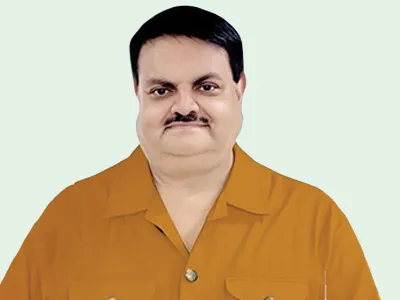
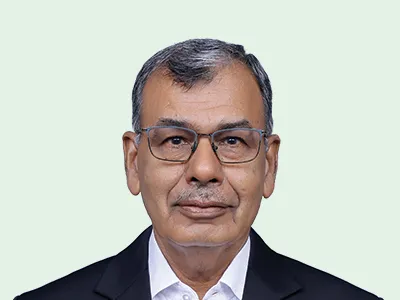
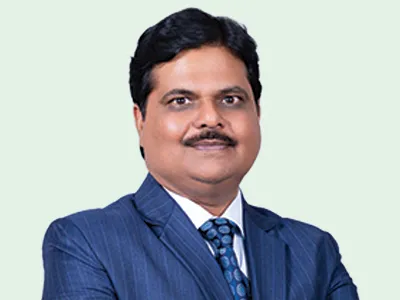
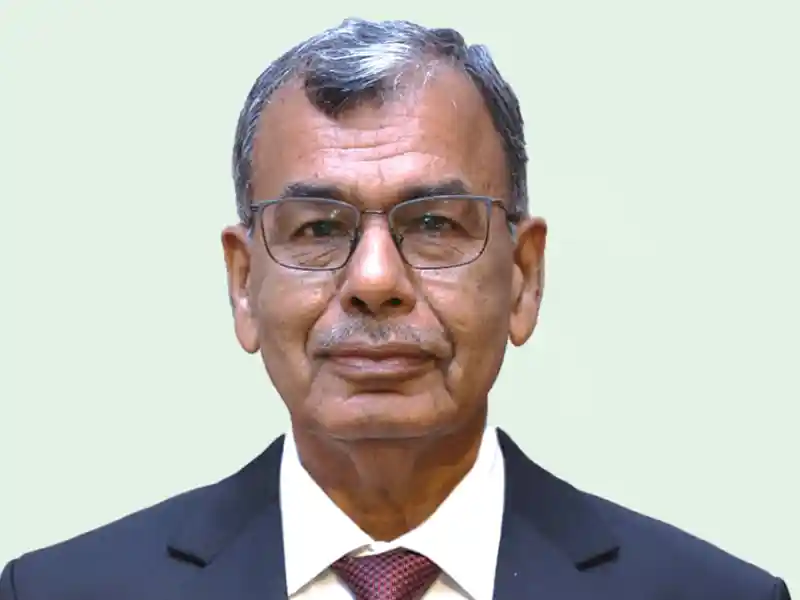
Sh. Bajrang Agarwal, President
Considering India’s infrastructure push and the growing demand for heavy lifting operations, how can crane rental companies meet the rising demand with modern machines and collaborations?
India’s infrastructure drive has significantly increased the demand for modern, reliable lifting equipment. For crane rental companies, the way forward lies in timely fleet modernisation, operational discipline, and stronger collaboration with construction companies and OEMs. Those who invest early in safety, technology, and skilled manpower will be best positioned to benefit from the surge in infrastructure and industrial activity.As President of COAOI, my aim is to ensure that our sector remains future-ready through meaningful advocacy, skill development, and practical operational frameworks that support growth.
How will the recent anti-dumping duties on imported cranes impact crane rental companies in India?
The recently announced anti-dumping duties on imported cranes may lead to higher purchase costs in the near term. However, this shift also opens the door for domestic manufacturing to become stronger and more competitive. Rental companies can offset the impact by improving utilisation, managing assets better, and extending equipment life through preventive maintenance.My personal view is the anti-dumping duty should not be on new machines; however, the government can impose the anti-dumping duty on used and second-hand machines.
With higher prices for new imported cranes, do you foresee an increased demand for second-hand imported cranes?
Demand for second-hand imported cranes has risen as companies search for cost-effective options. But these cranes must not merely be cosmetically refurbished; they must comply with industry-approved safety standards. Rental firms should insist on certified OEM refurbishment, periodic inspections, and operator training. Even in times of cost pressure, safety and performance must always remain non-negotiable.
Having secured crane registration and road-movement rights under the Motor Vehicles Act, what other policy measures or incentives would you recommend?
COAOI has secured the recognition of cranes under the Motor Vehicles Act and related exemptions for road movement. To strengthen the sector further, a uniform national policy for inter-state crane mobility and a centralised online permit system are crucial. Inclusion of cranes under infrastructure-linked incentive schemes, restructuring of GST, and improved financing policies would significantly encourage fleet modernisation.How can inter-state crane movement and logistics be improved to reduce delays and cost burdens?
How do you see technology and modernization of cranes transforming crane operations in India?
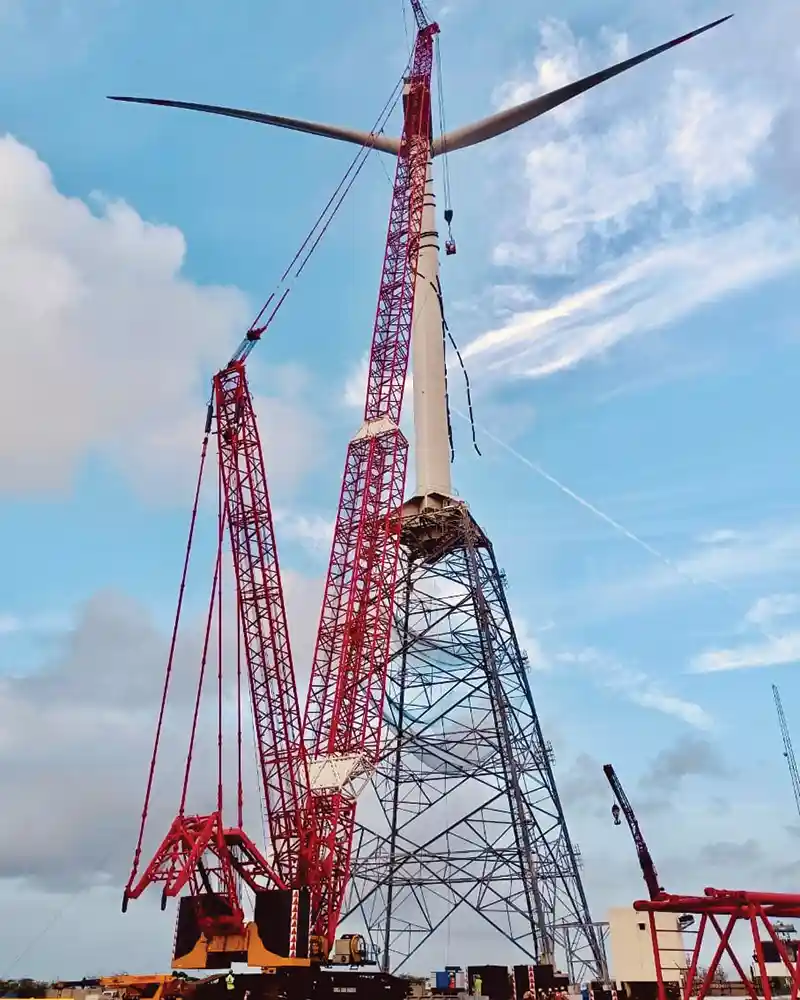
Technology is reshaping crane operations across the world. However, OEMs currently control most digital data access, limiting fleet owners’ ability to monitor and maintain equipment efficiently. Wider access to telematics, load management systems, diagnostics, sensors, cameras, and smart controls will improve performance, safety, and predictive maintenance. In India, adoption has been gradual due to awareness gaps, upfront investments, and limited local support.COAOI will continue to work with OEMs to drive awareness, training, and pilot projects that demonstrate clear cost-benefit outcomes.
How can COAOI and the industry strengthen training, certification, and upskilling programs to ensure operators can safely and efficiently use advanced cranes?
A skilled operator is the backbone of safe and productive crane operations. COAOI is working towards national certification frameworks, OEM-supported training programs, and refresher courses that build competence. Regular safety audits and recognised operator certifications will widen employment opportunities and create a professional workforce for this rapidly growing industry.What best practices should crane owners adopt for optimum asset utilization, and profitability?
Steady utilisation and profitability depend on reliable maintenance. Rental companies must adopt preventive maintenance schedules, strengthen spare part availability, and invest in trained technicians to reduce downtime. Refurbishing older cranes under expert supervision can extend operational life and improve returns. Data-driven utilisation analysis will help companies identify gaps and improve performance across multiple projects.How can digital platforms transform the crane rental industry?
Digital platforms have evolved meaningfully over the years and can benefit both fleet owners and end-users by improving utilisation and project planning efficiency. However, concerns around data security, authenticity of equipment condition, operator availability, and transparency must be openly addressed. COAOI supports responsible digitalisation that improves operations while maintaining credibility in the ecosystem.How can crane rental companies make the transition to energy-efficient and low carbon models to make their fleet operations more sustainable?
Sustainability goals are gradually reshaping the crane sector. Emission-compliant engines have already become the new norm. In the future, cranes powered by electric systems, biofuels, hydrogen, and other alternative technologies will form part of mainstream operations.The challenge lies in balancing environmental targets with economic feasibility. Policy incentives, enabling local R&D, and structured pilot projects will play a decisive role in enabling carbon-neutral equipment within India’s crane industry.
What collaborations between crane rental firms, OEMs, construction companies, and associations like COAOI can drive innovation, standardization, and operational efficiencies?
COAOI brings together crane owners across India as a unified voice committed to professionalism, safety, and technology. Collaboration across the entire ecosystem: rental firms, OEMs, construction companies, and government bodies, is essential for progress. COAOI continues to engage actively with stakeholders to promote standardisation, safety, and sustainable growth.Industry events like EXCON provide important platforms for collaboration, knowledge exchange, and showcasing innovation.
The collective goal must be to build a professional, efficient, and technologically advanced crane industry that supports India’s infrastructure ambitions responsibly and safely.