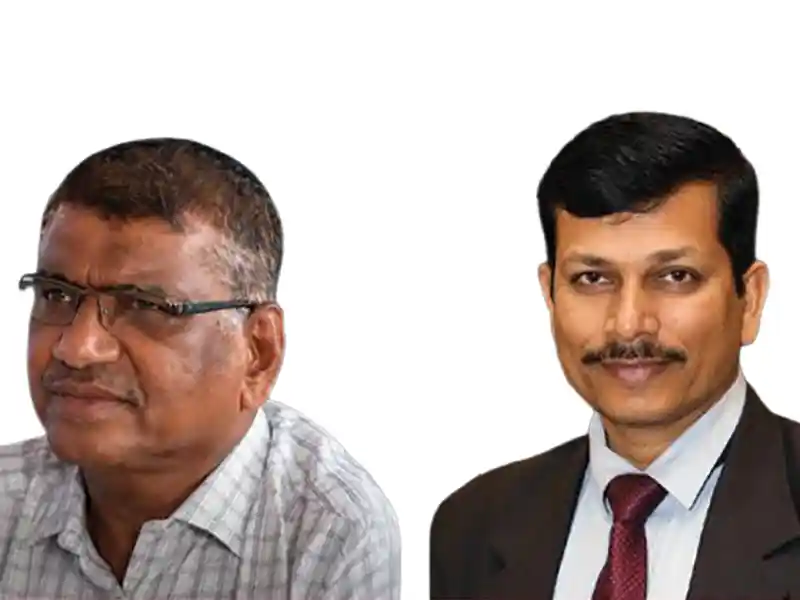
The Mumbai Coastal Road Project (South) stands as a transformative example of sustainable urban infrastructure in one of the world’s most densely populated coastal cities. M. Swami, Chief Engineer, Coastal Road, BMC, and Dr. Vishal Thombare, Dy. Chief Engineer, BMC, highlight how innovative engineering, tunnel construction, coastal protection systems, and environmentally responsible practices are redefining urban mobility in Mumbai. From zero displacement and large-scale material reuse to climate resilience and public waterfront development, the project sets a new benchmark for integrated and future-ready infrastructure.
Introduction
Rapid urbanisation, increasing motorisation, and limited land availability have placed extraordinary pressure on transportation networks in global megacities. Mumbai, India’s financial capital and one of the world’s most densely populated metropolitan regions, faces acute challenges in urban mobility due to constrained right-of-way, legacy infrastructure, and ever-increasing travel demand. Addressing these challenges required a bold, innovative, and sustainable intervention that could enhance mobility without compromising environmental and social priorities.The Mumbai Coastal Road Project (South) represents such a transformational response. Conceived as a high-capacity, access-controlled urban arterial corridor along the western coastline, the project aims to decongest existing north–south corridors, reduce travel times, improve road safety, and enhance the quality of urban life. At the same time, it has been designed and executed with strong emphasis on environmental sustainability, resource optimisation, social sensitivity, and climate resilience.
The project stands as a landmark example of how large-scale urban transport infrastructure can be successfully delivered in a densely built coastal city while balancing engineering excellence, ecological responsibility, and public value. Its scale, complexity, and multi-dimensional impact make it highly aligned with the objectives of the Sustainable Development.
Project Overview
The Mumbai Coastal Road Project (South) extends 10.58 km along Mumbai’s western seafront, connecting Princess Street Flyover to Worli end of Bandra Worli Sea Link. The corridor integrates multiple infrastructure elements including:- Access-controlled elevated and at-grade road sections
- Twin underground tunnels passing beneath densely populated urban precincts
- Interchanges providing seamless connectivity with the existing arterial road network
- Reclaimed land designed not only for roadway infrastructure but also for public amenities and open spaces
Urban Mobility Challenges
Mumbai’s traditional north–south traffic movement is heavily dependent on arterial roads such as the Western Express Highway and internal city roads that were never designed for current traffic volumes. Peak-hour congestion results in:- Excessive travel times
- Increased fuel consumption and vehicular emissions
- Reduced economic productivity
- Elevated stress levels and reduced quality of life for commuters
Strategic Importance of the Coastal Corridor
The western coastline offered a unique opportunity to introduce a high-capacity mobility corridor without extensive land acquisition or displacement. By utilising offshore alignment and underground tunnelling, the project avoids intrusion into dense residential and commercial areas.Alignment with National and Urban Goals
The project aligns with:- India’s vision for sustainable infrastructure development
- Urban transport policies promoting efficient, low-carbon mobility
- Global Sustainable Development Goals (SDGs), particularly those related to sustainable cities, climate action, and resilient infrastructure
Integrated Infrastructure Approach
The Mumbai Coastal Road Project (South) is not merely a road but an integrated urban infrastructure system combining:- Tunnels beneath sensitive urban zones
- Reclaimed land engineered to meet stringent geotechnical and marine conditions
- Advanced traffic management and safety features
Tunnel Engineering
Twin tunnels constructed using advanced methods pass beneath Malabar Hill and other sensitive areas. Excavated material was scientifically characterised and reused, demonstrating circular economy principles in infrastructure development.Seawall and Coastal Protection
The seawall has been designed using natural rock armour, ensuring robustness against wave action while supporting marine life growth. The design balances coastal protection with ecological considerations, a critical requirement for coastal megacities worldwide.Environmental Sustainability and Climate Responsibility
Environmental stewardship is one of the defining pillars of the Mumbai Coastal Road Project (South).- Approximately 14 million metric tonnes of reclamation material and armour rocks were sourced from hill flattening activities of the Navi Mumbai International Airport Project
- This strategic sourcing significantly reduced:
- Disposal of excavated material
- Fuel consumption and associated greenhouse gas emissions
Low-Carbon Construction Practices
- In-situ batching plants and casting yards were established, minimising transport of concrete and precast elements
- Extensive use of Ground Granulated Blast Furnace Slag (GGBS) replaced 50–60% of cement in concrete
- This substitution substantially reduced embodied carbon and promoted industrial by-product utilization
Reuse of Excavated Material
- Approximately 3 lakh cubic meter of tunnelling muck generated from Malabar Hill was reused for reclamation purposes
- This approach exemplifies waste-to-resource conversion and minimises environmental footprint
Water Conservation and Recycling
- About 1.30 crore litres of water were recycled and reused from a Sewage Treatment Plant for slurry and construction activities
- Ready Mix Concrete (RMC) wastewater underwent primary treatment and was reused for water sprinkling and dust control
- Use of curing compounds for 13,000 tetrapods and precast segments saved approximately 4 crore litres of water
Energy Efficiency and Pollution Control
- 100% LED lighting implemented at project sites and offices
- Covered sheds provided for RMC plants, casting yards, and grout plants to control dust emissions
- Continuous environmental monitoring of ambient air quality and noise levels conducted by authorised agencies
Marine Life Support
The use of natural rock armour for the seawall facilitates marine organism colonisation, supporting biodiversity along the coastline.Artificial Reef Development
In collaboration with the Mangrove Foundation Cell (Forest Department) & National Institute of Ocenagraphy, an artificial reef has been established along the seawall using funds deposited specifically for ecological enhancement. This initiative contributes to habitat regeneration and strengthens coastal resilience.Social Sustainability, Public Value, and Zero Displacement
A major achievement of the Mumbai Coastal Road Project (South) is that it involved:- No displacement of residents
- Nil rehabilitation and resettlement cost
Employment Generation
The project generated substantial direct and indirect employment opportunities across construction, logistics, engineering, and ancillary services.Creation of Public Open Spaces
Beyond mobility, the project delivers over 70 hectares of landscaped areas, including:- Public promenades
- Jogging and cycling tracks
- Children’s play areas
- Butterfly gardens and recreational spaces
Transport Efficiency and Impact
The coastal corridor significantly reduces travel time between South Mumbai and western suburbs, easing congestion on internal roads.Emission Reduction
Reduced idling, smoother traffic flow, and shorter travel distances lead to:- Lower fuel consumption
- Reduced vehicular emissions
- Improved air quality
Public Transport Integration
Provision of dedicated bus lanes encourages mass transit use and supports modal shift, aligning with sustainable mobility principles.Governance, Execution, and Monitoring
The project demonstrates strong coordination between:- Municipal authorities
- Environmental agencies
- Contractors and consultants
- State and regulatory bodies
Compliance and Transparency
All statutory clearances and environmental safeguards have been adhered to, with continuous monitoring and reporting mechanisms in place.Benchmarking and Replicability
The Mumbai Coastal Road Project (South) sets a benchmark for:- Coastal urban transport infrastructure
- Sustainable construction practices in dense cities
- Integration of mobility infrastructure with public spaces
Impact of Coastal Road Project (South)
- Measurable improvements in urban mobility
- Significant reduction in carbon footprint
- Zero social displacement
- Long-term environmental and economic benefits
Relevance to International Infrastructure Forums
At an international level, the Mumbai Coastal Road Project (South) contributes to global discourse on:- Sustainable urban transport solutions
- Climate-resilient coastal infrastructure
- Circular economy practices in construction
- Inclusive infrastructure development