The construction industry is undergoing one of the most significant transformations in its history. While engineering principles remain fundamentally unchanged, the environment within which projects are conceived, financed, delivered, and operated has evolved dramatically. Modern construction projects are no longer isolated engineering exercises. They have become complex ecosystems that integrate supply chains, environmental systems, digital infrastructure, regulatory frameworks, communities, and global capital.Yashavanth Anantharaj, Founder–Director, SYConE, discusses how rapid urbanisation, sustainability imperatives, digital transformation, and globalized project delivery are reshaping the role of construction leadership. Highlighting the growing need to manage interconnected systems rather than isolated projects, he presents a compelling perspective on how future-ready construction organizations must integrate technology, supply chains, environmental responsibility, and multidisciplinary collaboration to successfully deliver increasingly complex infrastructure projects.


Traditionally, construction leadership focused on supervising activities on site, managing contractors, monitoring schedules, and ensuring quality compliance. While these responsibilities remain important, they are no longer sufficient. Today's projects require leaders to operate across multiple interconnected systems. The challenge is no longer merely technical execution; it is the orchestration of complexity.
This reality becomes evident when one examines the diversity of modern projects. A geothermal power plant operates at the intersection of engineering and geological systems. A high-rise tower in a dense urban environment becomes an exercise in logistics management as much as structural engineering. Large urban redevelopment initiatives such as Dharavi involve social transformation, economic integration, and community engagement on a massive scale. Renewable energy parks stretch across hundreds of square kilometres and function more like industrial production systems than traditional construction sites. Defence infrastructure introduces security architecture and information controls as critical project constraints. Hyperscale data centers demand unprecedented levels of reliability, redundancy, and digital integration.
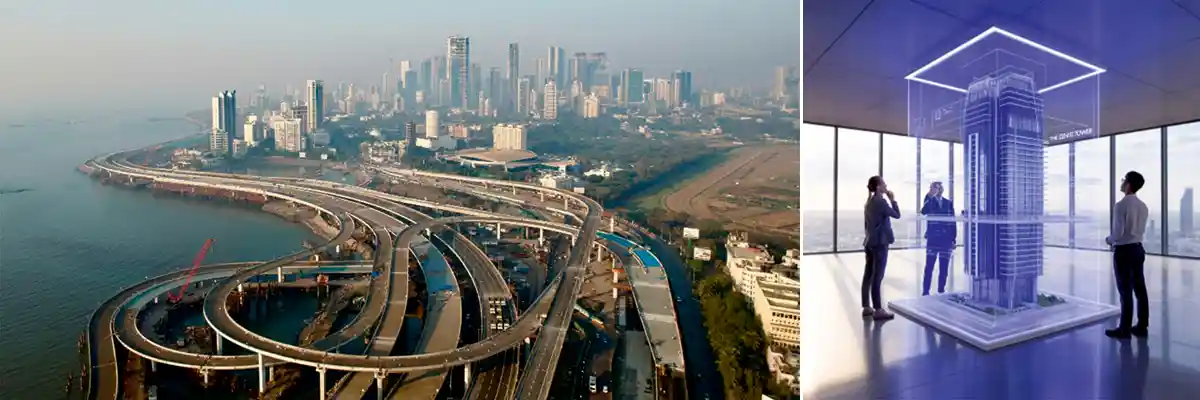
Despite their differences, these projects reveal a common truth: project success depends on the alignment of multiple systems rather than the performance of any single discipline.
One of the defining characteristics of modern construction is the globalization of project delivery. Design teams collaborate across continents. Materials are sourced from international supply chains. Equipment is manufactured in multiple countries. Financing often originates from global capital markets. Regulatory requirements frequently involve compliance with multiple standards and certification systems. As a result, construction projects today operate within distributed networks rather than localized environments.
Sustainability introduces another dimension of complexity. Historically, sustainability discussions focused primarily on operational performance. Today, the industry is increasingly recognizing the importance of lifecycle impacts. Renewable energy projects, for example, deliver significant environmental benefits during operation, yet they also depend upon mining, manufacturing, transportation, and land-use transformations that carry their own environmental consequences. This broader perspective requires construction professionals to evaluate sustainability across entire value chains rather than within project boundaries alone.
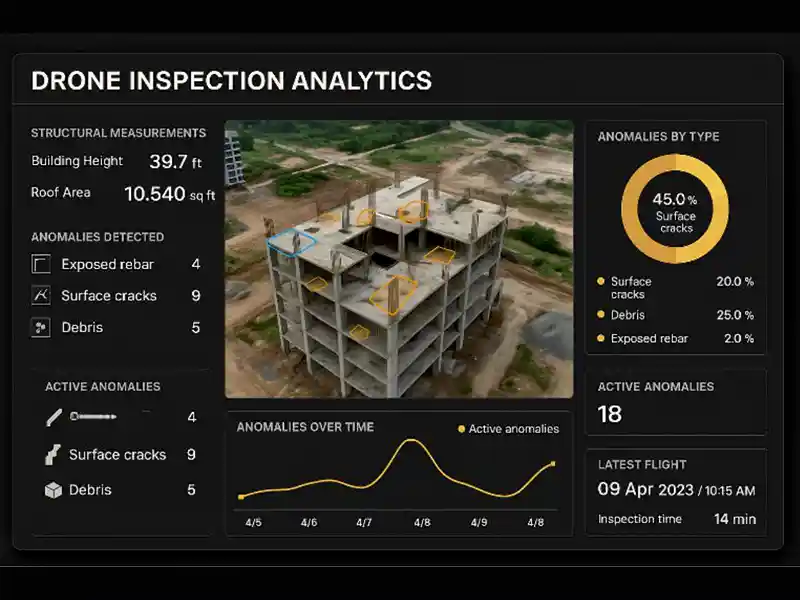
Technology is emerging as a critical enabler in managing this growing complexity. Modern projects generate enormous volumes of information through schedules, design models, inspections, procurement systems, financial controls, sensors, and field operations. The challenge is no longer a lack of data; it is the ability to convert data into actionable insight.
Digital technologies such as Building Information Modelling (BIM), Digital Twins, AI-driven quality systems, predictive analytics, and integrated project information platforms are increasingly becoming essential management tools. These technologies allow project teams to identify risks earlier, improve coordination, enhance transparency, and support more informed decision-making. In essence, technology is transforming complexity into visibility.
The leadership implications are profound. Construction leaders of the future will require a broader perspective than ever before. They must understand engineering, but also appreciate economics, environmental systems, stakeholder dynamics, supply chains, technology platforms, and public policy. The role is evolving from managing individual projects to orchestrating interconnected systems.
The industry is entering an era where the scale of projects, the pace of development, and the expectations of society demand a new leadership model. Success will increasingly depend on the ability to align diverse systems toward a common objective while balancing performance, sustainability, resilience, and long-term value creation.
Construction is no longer simply about building structures. It is about designing and managing the systems that make those structures possible. Understanding this reality may well define the next generation of construction leadership.