
Ramneek Sehgal from Ceigall India shares views on L1 Bidding System
DPRs are only as reliable as the expertise and effort behind them. Without proper surveys, risk mitigation, and stakeholder engagement, chasing the lowest price leads to delays, disputes, and higher lifecycle costs.
Ramneek Sehgal
Chairman & Managing Director
Ceigall India

Risks and Limitations of Low-bid
The L1 bidding system is widely used in public procurement and infrastructure projects. While it ensures cost competitiveness and transparency, it introduces significant risks to planning, quality, and delivery timelines. A short-term mindset and inadequate due diligence can compromise planning.Quality is often affected through the use of cheaper materials, unskilled labor, and design optimizations that reduce durability. Delivery timelines are impacted when resource deployment is insufficient, leading to delays, disputes, and cost escalations. Prioritizing the lowest bid may reduce initial costs but often results in compromised construction quality, increased maintenance, cost overruns, and loss of public trust due to design and structural failures.
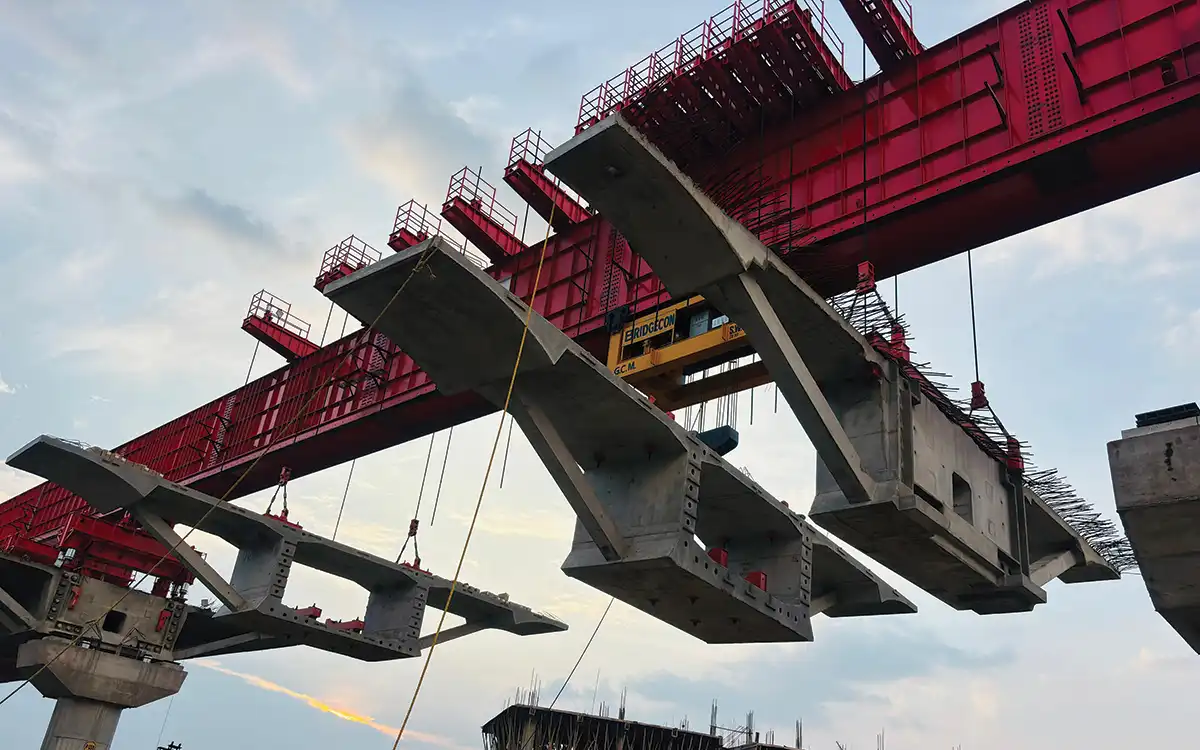
Balancing Cost and Long-term Goals
A more sustainable approach involves balancing technical competence with financial capacity to ensure competition among equals and mitigate risks associated with low bids. Introducing a quality-and-cost-based selection (QCBS) framework, with weightage given to technical soundness and competence, can strengthen project outcomes. Stricter pre-qualification criteria, including available bid capacity and funding provisions, help ensure contractors can execute the works effectively. Linking operation and maintenance responsibilities to quality of construction, tying payments to milestones and performance measures, and implementing regular audits and monitoring can further reduce deviations, safeguard long-term value, and improve efficiency for profitable growth.Strengthening DPRs for Reliable Project Execution
Detailed Project Reports (DPRs) form the foundation of infrastructure projects, yet their reliability depends on the quality of consultancy, data sources, stakeholder engagement, and governance framework. DPRs must include baseline data, risk mitigation plans, and sufficient preparation timelines. Consultants should be technically qualified and accountable for their work during execution, ideally serving as the design consultant throughout.Accurate site surveys and investigations are essential to anticipate execution challenges and minimize risks. Data collection, geotechnical studies, stakeholder consultations, and adoption of new-age technologies like LiDAR and Primavera improve accuracy. Feedback from ongoing and completed projects should inform regular updates of DPRs.
Moving from conservative planning to technology-driven, comprehensive systems will ensure transparency, safeguard public investment, and build trust in infrastructure delivery. Pilot procurement models such as QCBS and PBMC can further reduce the risk of financial loss while promoting quality-driven execution.
Published on:
10 October 2025
Share:
We Value Your Comment