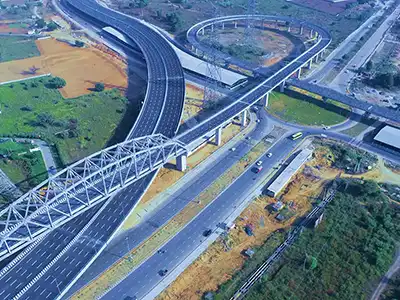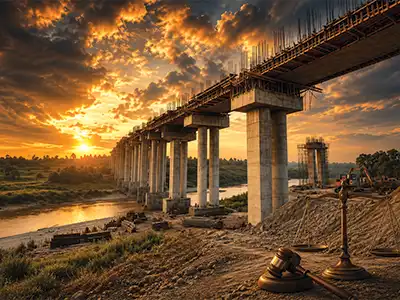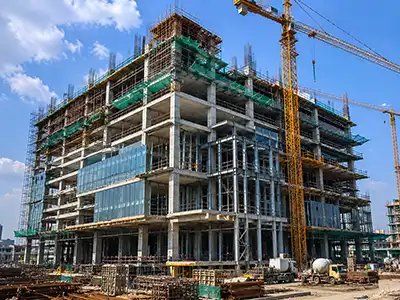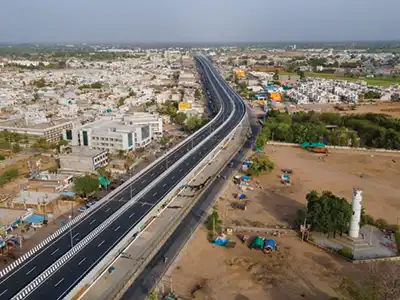
While DPRs are foundational to infrastructure success, their reliability in India is inconsistent; this necessitates transforming DPRs from formal compliance documents into practical, actionable guides for execution.
Atasi Das
Assistant Vice President
G R Infraprojects Limited

Reliability and Comprehensiveness of DPRs
DPRs form the backbone of infrastructure planning, providing a blueprint for design, cost estimation, and project execution. Well-prepared DPRs contain topographical surveys, geotechnical analysis, environmental impact assessments, traffic and load projections, cost estimations, and implementation timelines. In ideal scenarios, they are created by multi-disciplinary teams combining civil engineers, urban planners, and financial analysts. Projects such as the Delhi-Meerut Expressway benefited from highly detailed DPRs, which accounted for land acquisition challenges, soil stabilization, and phased construction logistics, allowing smoother execution.However, many DPRs fall short in capturing ground realities. They may rely on outdated surveys, overlook local stakeholder concerns, or underestimate environmental constraints. In numerous state-level road projects, for instance, DPRs failed to account for seasonal flooding, requiring design revisions mid-construction, inflating costs, and delaying completion.
Why Inadequte, Inaccurate DPRs?
A 2022 report by the CAG highlighted that 35% of central infrastructure projects faced execution challenges linked to inadequate DPRs. The gap often arises from systemic issues: limited field verification, compressed timelines for report preparation, and a lack of accountability for inaccuracies. Some DPRs focus heavily on technical compliance with government templates rather than practical constructability or local socio-economic impacts. Consequently, contractors frequently encounter unanticipated challenges, ranging from utility relocation to soil instability, which can result in cost escalations exceeding 10–15% of initial estimates.Nonetheless, DPRs remain indispensable. They serve as legal, financial, and technical references, and when properly executed, they significantly reduce project risks. Reliability improves when DPRs integrate advanced surveying technologies—such as LiDAR, drone-based terrain mapping, and geospatial analysis—and undergo independent peer review to validate assumptions.
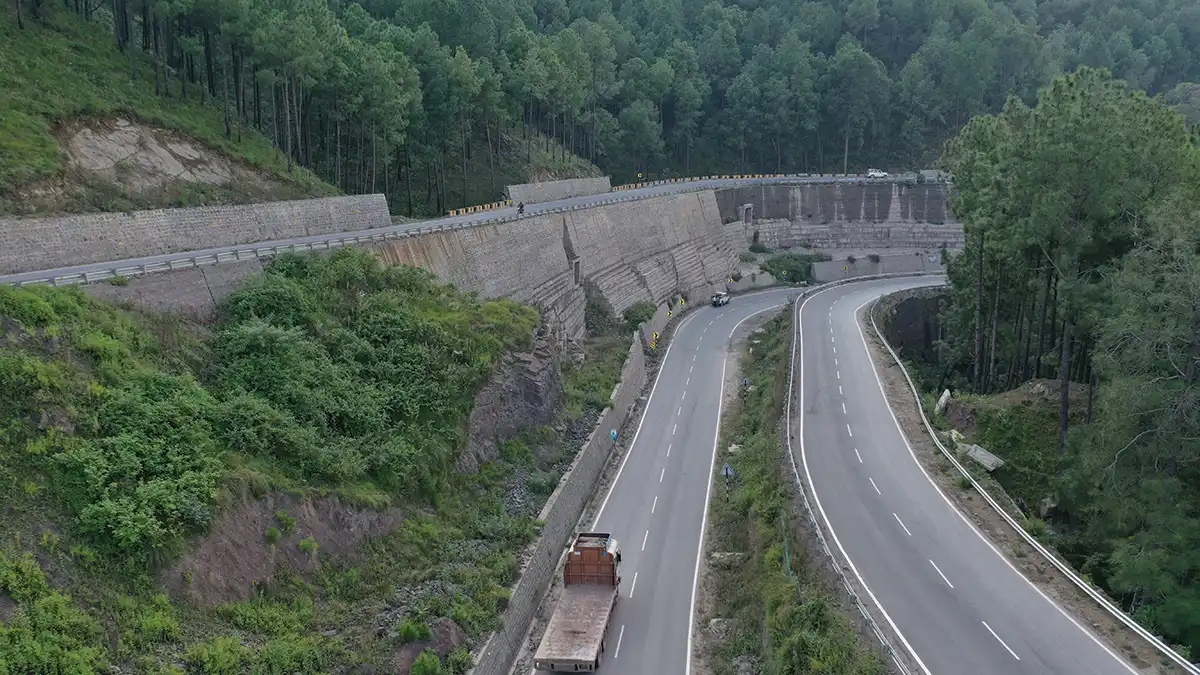
In conclusion, while DPRs are foundational to infrastructure success, their reliability in India is inconsistent. Bridging the gap between report assumptions and on-ground realities requires systemic reforms, technological adoption, and rigorous quality checks, transforming DPRs from formal compliance documents into practical, actionable guides for execution.
Strengthening DPRs For Accuracy and Practicality
Enhancing the quality of DPRs is pivotal to minimizing project delays, cost overruns, and construction challenges. Several strategies can make these reports more robust and reflective of on-ground realities.First, integration of advanced survey technologies is essential. Drone-based topography, GIS mapping, and 3D LiDAR scanning provide precise data on terrain, hydrology, and existing infrastructure. This reduces discrepancies between design assumptions and actual field conditions, which is often the root cause of mid-project revisions.
Independent panels of experienced engineers and contractors can evaluate whether proposed materials, techniques, and timelines are feasible within the local context. For example, metro projects in Bengaluru now undergo a pre-DPR workshop with multiple stakeholders to assess construction constraints, reducing surprises during execution.
Third, cost estimation must include lifecycle and contingency analyses. DPRs should move beyond initial construction costs to account for maintenance, inflation, and risk factors. A more sophisticated financial model can prevent under-budgeting and unrealistic L1 bids, aligning project viability with long-term sustainability.
Fourth, stakeholder engagement should be mandatory during DPR preparation. Input from local authorities, residents, environmental experts, and utility companies uncovers hidden challenges—such as land acquisition issues, traffic disruptions, or ecological constraints—early in the planning stage. This proactive approach reduces project variations and legal disputes.
Finally, standardization of DPR templates with flexibility for local adaptation can improve clarity. Government agencies can mandate minimum technical, financial, and environmental parameters while allowing project-specific customization. Additionally, periodic audits and independent verification ensure compliance and accuracy, creating accountability for errors.
Examples from Mumbai’s coastal road project, which utilized BIM-integrated DPRs, demonstrate reduced design revisions and accelerated timelines, underscoring the value of robust DPRs.
Policy Reforms For a Fair and Transparent Bidding Process
Reforming policies and procedures is essential to create a level playing field and incentivize long-term project excellence. One critical measure is implementing QCBS as the standard evaluation method. This approach balances price competitiveness with technical capability, prior performance, and financial stability, reducing the overemphasis on low bids. Karnataka and Maharashtra have piloted QCBS in certain metro and highway projects, reporting improved execution quality and fewer disputes.Second, digital tendering platforms with real-time tracking can enhance transparency. Public dashboards showing bid submissions, evaluation criteria, and scoring reduce discretionary decision-making and corruption risks. Blockchain-based tendering is an emerging solution that can further secure bid integrity.
Third, stricter pre-qualification criteria for contractors can prevent under-capitalized firms from participating purely to win on price. By assessing financial health, past project performance, and workforce competence, authorities can ensure that only capable contractors handle complex infrastructure projects.
Fourth, standardized post-bid evaluation mechanisms can hold contractors accountable. Performance-based incentives for timely completion, adherence to specifications, and safety compliance encourage high-quality execution. Penalties for substandard work must be enforceable without political or administrative delays.
Finally, integrating lifecycle costing in bid evaluation, including maintenance and operational efficiency, shifts focus from short-term savings to long-term value. This change discourages aggressive low bids that compromise durability and safety, aligning infrastructure outcomes with public interest.
In essence, a fair, transparent, and quality-focused bidding framework requires systemic reforms, digital integration, and robust accountability. Such measures not only protect contractor interests but also safeguard public investments, paving the way for infrastructure projects that are cost-effective, sustainable, and resilient.
“Reforming the bidding ecosystem is as much about policy as cultivating mutual respect between stakeholders.”
In summary, India’s infrastructure sector moved from being basic demand-driven to visionary and futuristic is at a transformative stage moving forward large-scale technology advancement, and sustainable development path. While the L1 system has helped contain costs, the hidden risks and long-term inefficiencies it introduces cannot be ignored. By combining technological adoption, value-focused procurement, high-quality DPRs, and transparent procedures, the country can ensure that its infrastructure investments deliver not just immediate savings but enduring societal and economic benefits.
Whie L1 Bidder ensures;
- Cost competitiveness,
- Balancing price with quality, safety, and durability essential to avoid long-term hidden cost,
- Robust DPRs, grounded in accurate site data, stakeholder insights, and modern technologies, are critical for reducing execution risks and variations,
- Enhancing transparency, standardizing evaluation criteria, and adopting value-based procurement can foster fairer bidding, encourage innovation, and deliver projects that are efficient, safe and durable.