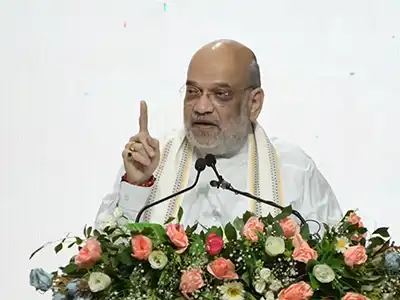
The initiatives include Mission Shikshit Arunachal – Phase II, with an outlay of Rs 1,500 crore; the Chief Minister’s Comprehensive State Power Development Programme, worth Rs 2,000 crore; and the Chief Minister’s Comprehensive State Rural Road Development Programme, also worth Rs 2,000 crore. In addition, 199 projects under the Vibrant Villages Programme across 11 border districts, involving an investment of Rs 110.95 crore, and Mission SURAKSHA were launched.
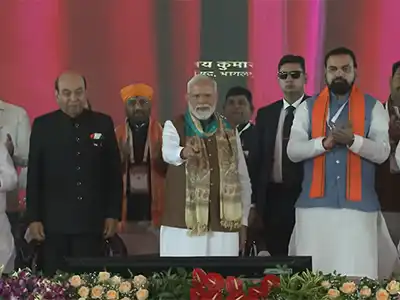
The event, held at the Dorjee Khandu State Convention Centre, also saw the launch of an e-commerce webpage for products made by women’s Self-Help Groups (SHGs) under the Arunachal State Rural Livelihoods Mission (ArSRLM). A foodgrain storage warehouse at Raga LAMPS was virtually inaugurated under the Grain Storage Scheme to strengthen storage infrastructure for cooperative institutions.
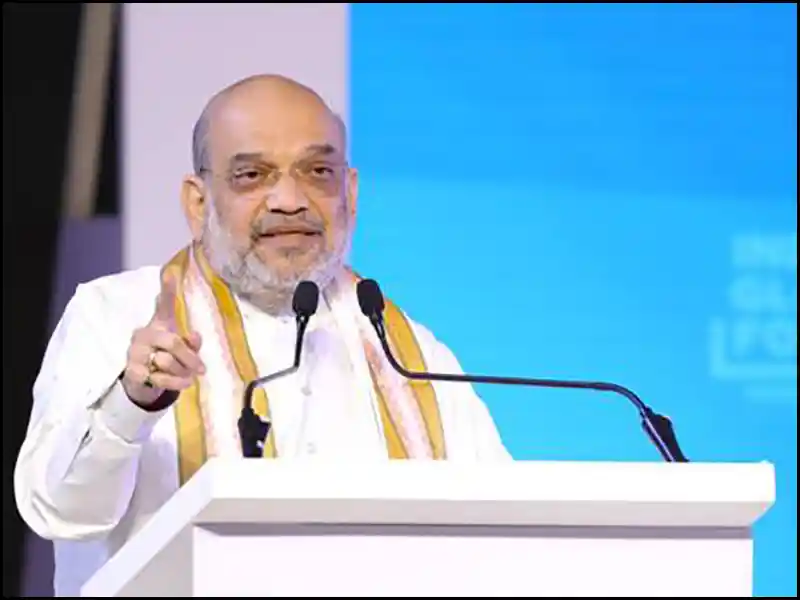
Shah said the cooperative movement could play a key role in strengthening the State’s rural economy and called for greater self-reliance in milk, eggs, meat and fish production. He said achieving self-sufficiency in these sectors could make at least 32,000 families economically self-reliant.
He noted that more than 56,000 people in Arunachal Pradesh are associated with the cooperative movement through 185 Primary Agricultural Credit Societies (PACS), 52 dairy cooperative societies and 43 fisheries cooperative societies. He also said that Amul and the National Dairy Development Board (NDDB) would support the procurement of milk produced in the State, while efforts would be made to establish milk-processing facilities. Representatives from both organisations are expected to visit the State to prepare a district-level roadmap for dairy development.
Highlighting infrastructure development, Shah said the 1,500-km Frontier Highway has been approved at a cost of Rs 44,000 crore, while the 2,880 MW Dibang Hydropower Project is being developed at an estimated cost of Rs 32,000 crore. Work has also commenced on eight packages covering 266 km of National Highway-913, involving an investment of Rs 6,600 crore.
Other projects highlighted included the approximately 300-km Balipara–Charduar–Tawang road, the Nechiphu Tunnel and the bridge over the Sisiri River in Dibang Valley. He also noted that the airports at Likabali, Hollongi and Tezu were built during the tenure of the present Central Government.
Under the Vibrant Villages Programme, 199 projects worth Rs 110.95 crore have been launched across 11 border districts. Shah said the programme was aimed at strengthening infrastructure and livelihoods in border villages, where improved access to electricity, education, healthcare, employment and drinking water was encouraging residents to return.
The event also featured initiatives to strengthen cooperative institutions and support rural livelihoods. Four societies were recognised for their performance: Namsai Dairy Cooperative Society, Lower Subansiri Fish Farmers Cooperative Society, Kemli LAMPS and Jang LAMPS. NCDC, NABARD and other cooperative institutions extended support through loan certificates, vegetable seed kits and a micro-ATM.
Shah also flagged off solar-powered mobile medical units for villages in 11 border districts. Equipped with telemedicine, AI-based portable TB screening, digital X-ray, ECG and laboratory facilities, the units will provide healthcare services in remote areas. The SARAS Mela, inaugurated during the event, showcased products and traditional crafts made by women’s SHGs, providing them with opportunities to reach wider markets.
Addressing the gathering, Shah said the Central Government had increased its financial support to Arunachal Pradesh, with transfers rising from Rs 33,530 crore during 2004–14 to Rs 1,49,664 crore during 2014–24. He added that the State’s budget had increased from approximately Rs 12,000 crore to Rs 36,000 crore over the last 12 years.