Grooving Runways for Improved Performance And Safety of Aircrafts

Runway-Safety
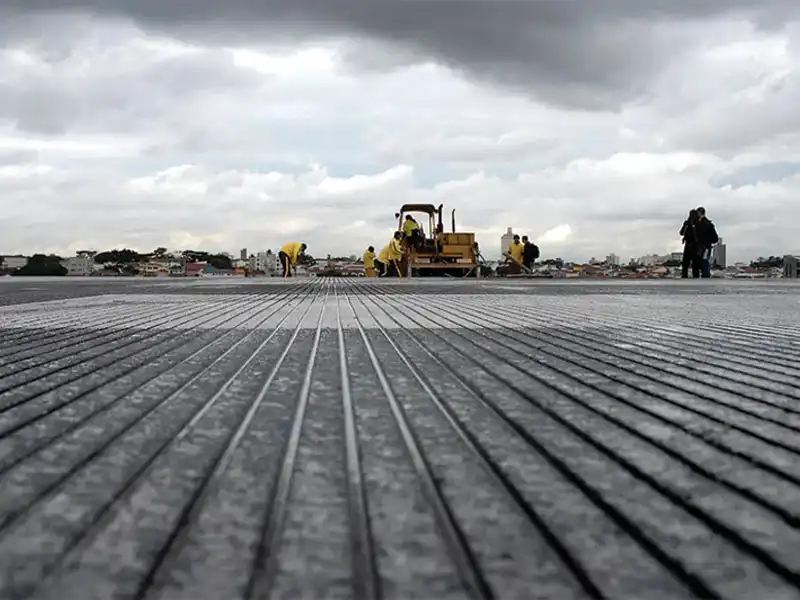
With India’s aviation infrastructure expanding rapidly, maintaining optimal runway safety and performance has become increasingly critical. Nick Davis, Director of Technical Services at the International Grooving & Grinding Association (IGGA), explains how runway grooving technology enhances wet-weather traction, minimises hydroplaning risk, and supports safer aircraft operations.

Although it may not be intuitive, air travel is safest once an aircraft is in the air. Statistics compiled by Boeing indicate that nearly half of all worldwide commercial jet airplane accidents occur during the final approach or landing phases of flight. Reasons for this range from the slower speed of the aircraft to the amount of maneuvering that is required. One factor that can contribute to loss of control on the runway is hydroplaning, a situation in which the presence of water or wet snow causes the aircraft tires to lose contact with the pavement, which in turn causes a loss of braking and directional control. Even a thin film of water can lead to hydroplaning.
📅 Published on: 13 May 2026
📖 Published in: NBM&CW MAY 2026
🔗 Share:
We Value Your Comment
How useful is this information?

NBM Media

30+ years of reporting on infrastructure, construction, architecture, & real estate across print, digital, and social media.