Urban Excavation & Environmental Stewardship Lessons from the Mumbai Station of HSR Project

This paper by Rajneesh Saroj, Chief Project Manager, Mumbai, NHSRCL, details the methodologies and technologies applied to manage environmental impacts and ensure structural integrity during the excavation and construction phases at Bandra Kurla Complex (BKC). The integration of rigorous monitoring and innovative engineering solutions highlights the project's commitment to safety, sustainability, and adherence to regulatory standards, setting a precedent for future infrastructure projects in metropolitan settings.

The Mumbai-Ahmedabad High-Speed Rail project represents a pioneering effort by the Ministry of Railways to introduce high-speed trains in India. Central to this monumental initiative is the construction of the underground station at BKC, a project marked by significant engineering and environmental challenges.

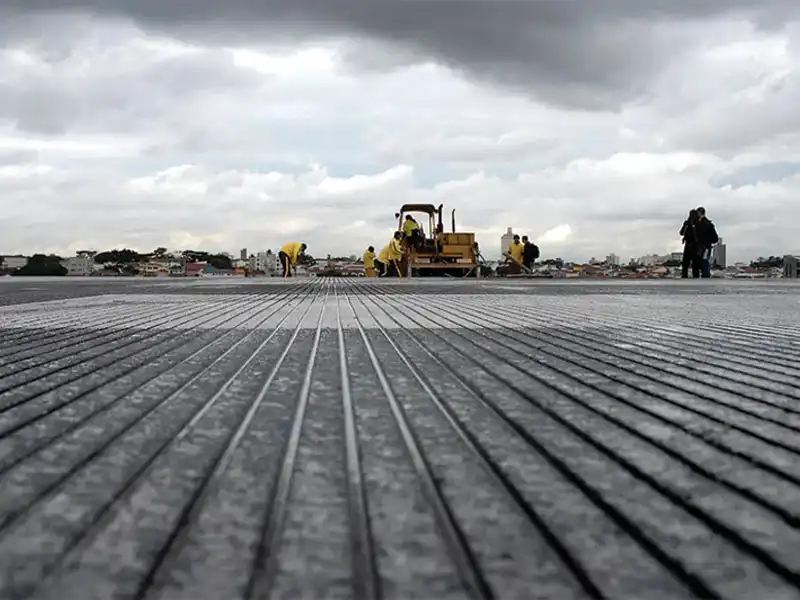
The excavation activities at BKC, located in the heart of the city, necessitate adherence to stringent environmental norms due to the substantial air and noise pollution generated. Innovative solutions included deployment of mist guns for dust suppression, barriers to reduce noise pollution from piling and excavation work, and monitoring of air quality, reflecting a commitment to environmental management.
📅 Published on: 11 February 2026
📖 Published in: NBM&CW FEBRUARY 2026
🔗 Share:
We Value Your Comment
How useful is this information?

NBM Media

30+ years of reporting on infrastructure, construction, architecture, & real estate across print, digital, and social media.