Sachin Gowda, Senior Scientist, CSIR–Central Road Research Institute (CRRI), New Delhi, examines the urgent need to shift India’s road sector from reactive maintenance to data-driven asset management amid a rapidly expanding network. He outlines the importance of scaling Road Asset Management Systems (RAMS), key implementation challenges, and the technological and policy measures needed to enable long-term, performance-driven and sustainable infrastructure management.

Indian Roads: A Story of Scale and Strain
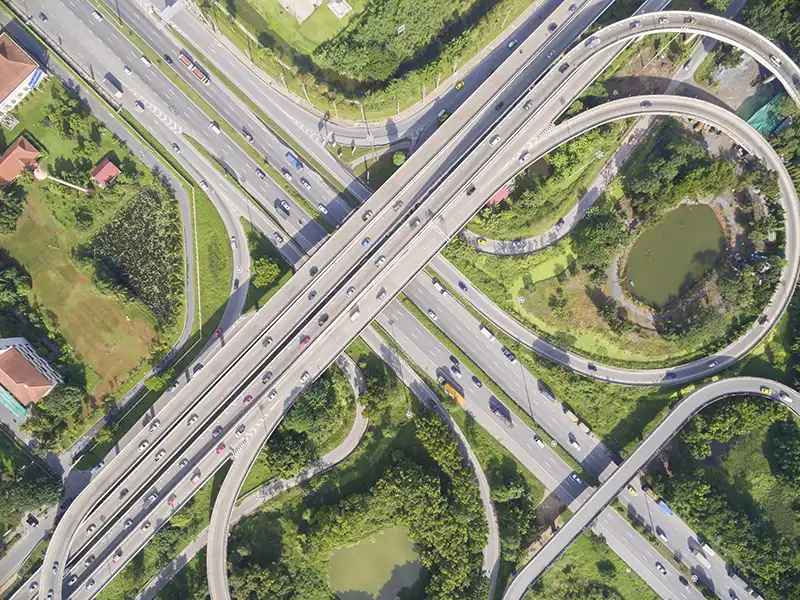
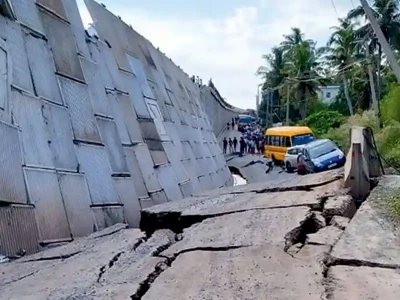
However, beneath this impressive scale lies a growing challenge: rapid motorization, increasing axle loads, and climate-induced stresses such as heavy rainfall, flooding, and temperature variations which are accelerating pavement deterioration. At the same time, maintenance funding remains limited and often reactive. As a result, roads frequently experience premature distress, inconsistent service levels, and escalating repair costs. This situation highlights a critical concern: while India continues to expand its road network, the management of existing assets has not kept pace with the demands placed upon them.