Project Models in National Highway Development Opportunities and Risks

Sanjay-Kumar
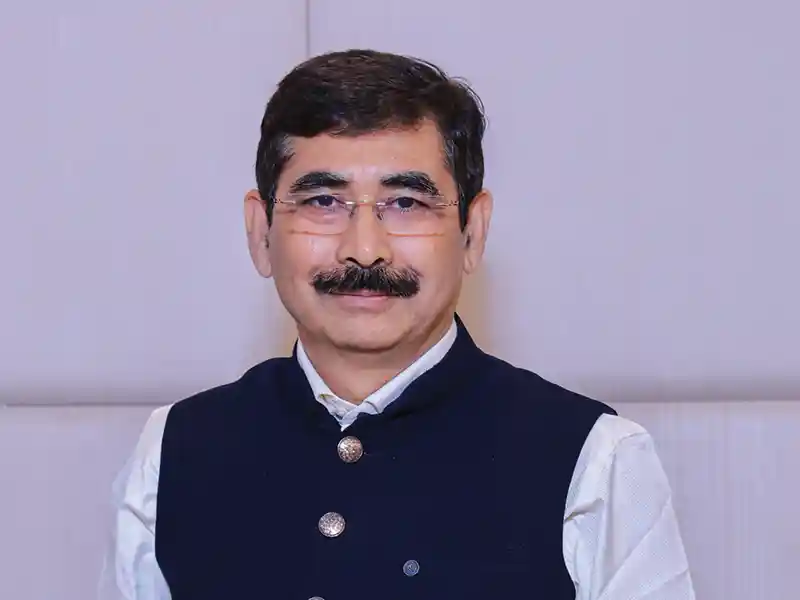
Sanjay Kumar Sinha, Founder & Managing Director, Chaitanya Project Consultancy, analyses the evolving mix of EPC, PPP, HAM, and TOT models, explaining how project structuring, risk allocation, and execution discipline will shape long-term asset performance, and outlines the opportunities and challenges in building a resilient national highway network.
Chaitanya-Road-Project-Models
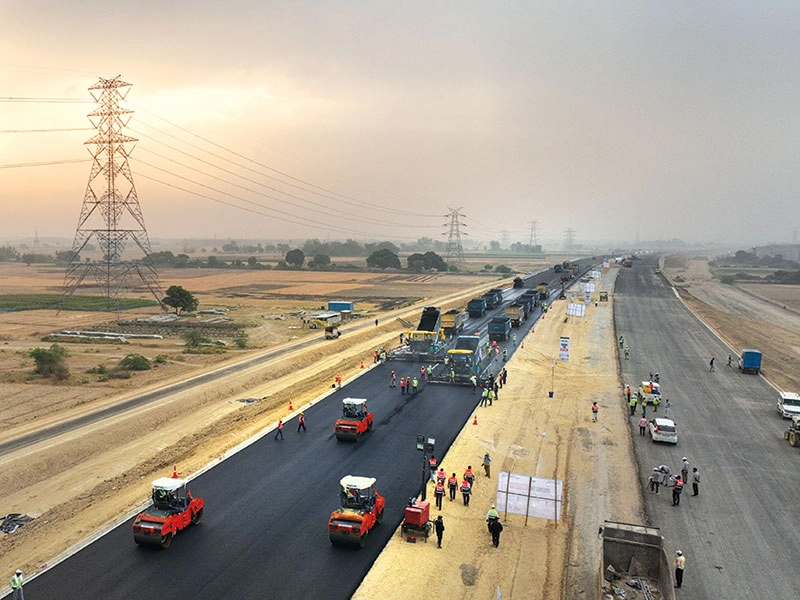
India’s road infrastructure push is entering one of its most decisive phases. Over the last decade, programmes such as the National Highway Development Programme and Bharatmala Pariyojana have shifted the focus from isolated highway stretches to building a connected, high-capacity national network. This ambition is reflected in the government’s plan to bid out 124 highway projects worth nearly Rs 3.4 lakh crore in FY26. Delivering projects at this scale is not simply a matter of allocating budgets or awarding contracts. It depends on how efficiently projects are structured, how risks are distributed, and how execution is managed from design to operations. This is where project delivery models become critical. The choice between EPC, PPP, HAM, or TOT directly influences construction speed, financing comfort, risk exposure, and the long term performance of highways and expressways that form the backbone of India’s mobility and logistics ecosystem.
📅 Published on: 16 March 2026
📖 Published in: NBM&CW MARCH 2026
🔗 Share:
We Value Your Comment
How useful is this information?

NBM Media

30+ years of reporting on infrastructure, construction, architecture, & real estate across print, digital, and social media.