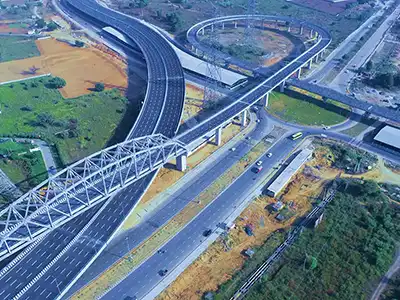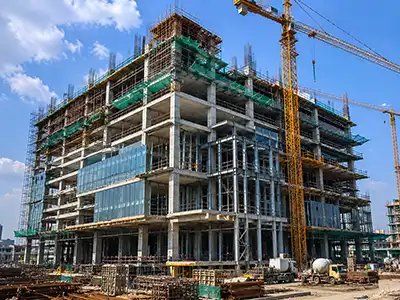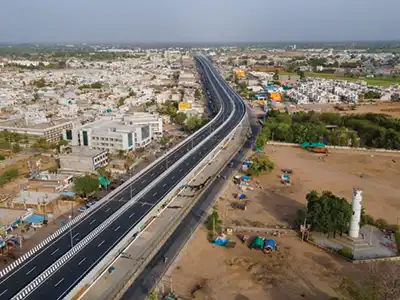
Repeated underestimation of land and utility shifts in the DPRs has caused significant delays in highway and rail projects, while water schemes often overlook seasonal availability challenges.
Sanjay Kumar Sinha
Founder & MD
Chaitanya Projects Consultancy

Why the Lowest Bid Isn’t Always the Best
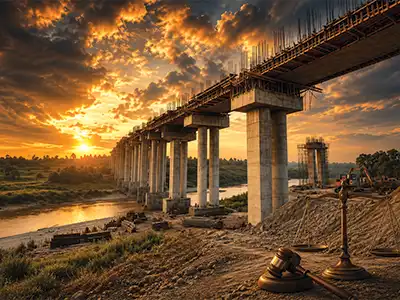
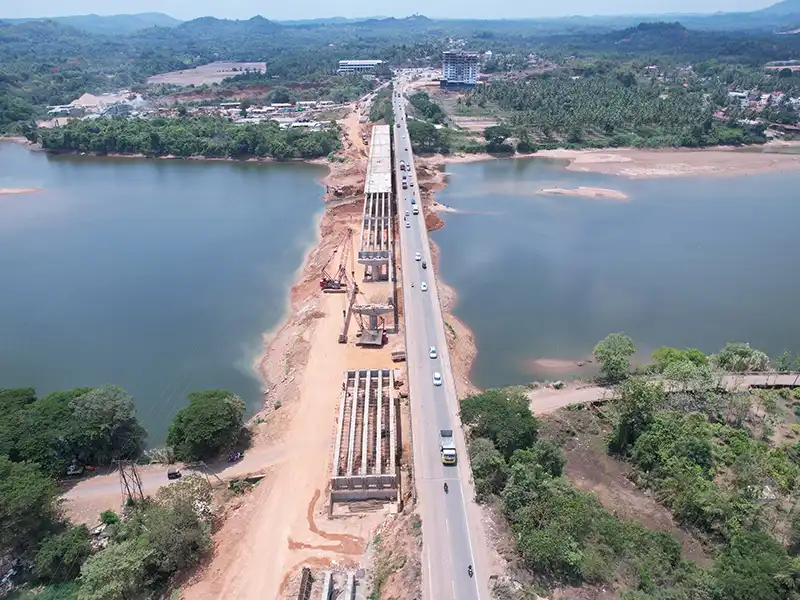
The L1 bidding system often forces contractors to quote unrealistically low bids. This pressure compromises planning, execution, and quality. Many highway projects from 2017–18 faced delays or re-bidding when contractors could not manage rising land and material costs. The Mumbai–Goa highway widening, for example, has suffered repeated setbacks due to the financial strain on the L1 contractor and poor execution, pushing the completion deadline to March 2026.Rail projects such as the Dedicated Freight Corridors also faced defaults and schedule slippages, with contractors struggling under aggressive low bids. In some cases, completed structures had to be demolished and rebuilt, illustrating the true cost of underbidding. This pattern reveals a critical truth: while L1 may reduce upfront costs; it jeopardizes timelines and the durability of infrastructure assets.
Hidden Costs and Wider Economic Impact
Chasing the lowest bid upfront often leads to hidden costs later in the form of rework, litigation, and cost overruns. Cash flow challenges faced by underquoting contractors stall projects and erode the initial savings. Infrastructure delays also ripple across the economy, with incomplete freight and express corridors driving up logistics costs and slowing GDP growth.Quality compromises are another consequence. Contractors may resort to cheaper materials or minimal maintenance, leading to higher lifecycle expenses. Independent studies have repeatedly recommended stricter financial and technical qualifications to ensure only capable firms handle high-risk projects.
Shifting from Cheap to Smart Bidding
India must move from picking the cheapest bid to selecting the most advantageous one. Internationally recognised approaches such as the Most Advantageous Bid (MAB) framework balance cost with technical expertise, risk management, sustainability, and delivery capability. Approaches like Quality and Cost-Based Selection (QCBS), life-cycle cost assessments, and performance-linked contracts have proven effective. Metros in Nagpur and Pune, which prioritised technical capacity alongside pricing, achieved faster and more integrated completion. Similarly, AMRUT 2.0 assesses bids by sustainability metrics, rewarding wastewater treatment efficiency rather than just low prices.Reforms such as performance-linked contracts, where payments are tied to service outcomes like road uptime or train punctuality, improve accountability. Design-Build-Operate (DBO) models also align incentives, as one party is responsible for design, construction, and operation, ensuring long-term quality. Integrating KPIs, independent inspections, and fast-track dispute resolution strengthens oversight. Enhanced transparency through e-procurement portals and independent audits reduces discretion and builds bidder confidence. Collectively, these reforms align financial incentives with performance, fostering high-quality and sustainable infrastructure.
Stronger DPRs, Smoother Projects
Detailed Project Reports (DPRs) are the foundation of infrastructure planning, but their quality often varies. Tight deadlines and budget constraints mean essential fieldwork, such as soil testing, traffic analysis, and community consultations, is sometimes skipped, resulting in unrealistic forecasts around costs, timelines, and land acquisition. For instance, repeated underestimation of land and utility shifts has caused significant delays in highway and rail projects, while water schemes often overlook seasonal availability challenges.Reliable DPRs, on the other hand, are based on comprehensive surveys, GIS mapping, LiDAR, drone topography, and hydrological modelling. Multilateral-funded projects that undergo independent peer review tend to anticipate challenges better, including climate resilience and social impacts. Strengthening DPRs further requires adequate budgets for detailed surveys, specialist inputs on land acquisition and safeguards, independent third-party reviews, and “living DPRs” with dynamic risk registers that can be updated as challenges evolve. These steps ensure realistic planning and smoother project delivery.