One of the biggest challenges with L1 is that contractors sometimes bid unrealistically low just to keep their resources engaged, even when the project is not financially viable. This raises questions on execution and sustainability.
Anurag Sinha
Executive Director
EIL

Market Pressure Behind Unsustainable Bids
The L1 bidding system has been prevalent for long now, and while it does not always go against the intended requirement, we are increasingly seeing bids that are extremely low. Even consultants often wonder how such contractors will perform at that cost. In many cases, bidders may not have fully understood the project scope or they are participating simply to keep their resources engaged, even if the job is not financially viable. Such practices raise concerns about execution and sustainability.To counter this, the industry has introduced pre-tender meetings before floating the NIT. Apart from scope, other salient features viz Schedule, Draft qualification criteria are discussed with participants so that contractor can understand the scope and at the same time owners and consultants understand market conditions and can tweak criteria upfront. During Covid, for example, the requirement of past five years’ experience was relaxed to seven or eight years to account for the disruption. These adjustments ensured good bidders were not excluded and that projects had healthy competition.
Moving Beyond Pure L1
Recent updates from the Department of Expenditure, GoI, have introduced alternatives to the pure L1 system. For quality oriented procurement, QCBS method balances technical and commercial evaluation, with ratios ranging from 50:50 to 80:20 depending on the project. This ensures that technically strong organization's can take leeway of their expertise.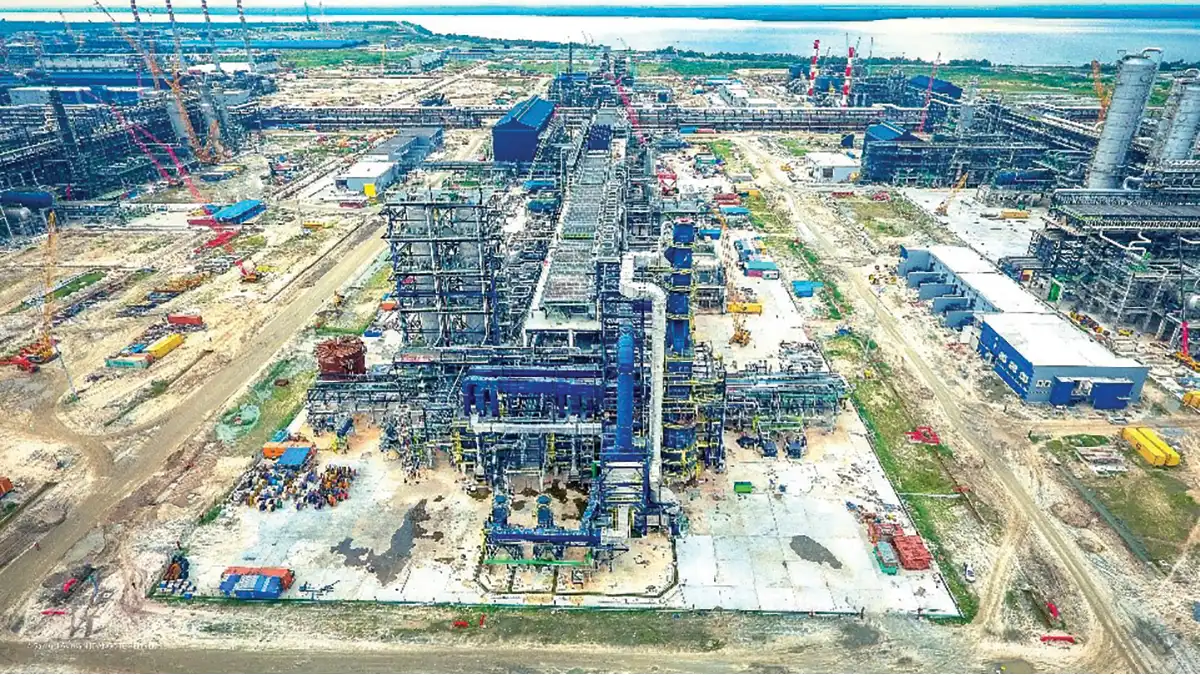
Reverse auctions are also being adopted, where prefilled rates eliminate abnormally high or low pricing on individual line items. Limited inquiries provide another option, especially for projects of national importance or stringent deadlines. In such cases, inquiries can be floated only to a prequalified list of reliable agencies. Where no such list exists, an Expression of Interest (EOI) is invited, ensuring openness and fairness while still applying filters.
There are also cases of nomination or single-agency selection. For highly sensitive projects, or where original equipment manufacturers (OEMs) or licensors specify certain agencies, work may be directly awarded to one entity. Such awards still require price negotiations, due diligence, and adherence to approval protocols, but allow flexibility when quality and reliability are critical.
Policy Evolution and Future Direction
Problems are part of life, but policymakers under the leadership of the Honorable Prime Minister are showing greater sensitivity to industry concerns. They actively issue guidelines, seek feedback, and make amendments as required. This responsiveness has led to faster communication and implementation of policy updates.As India works towards the vision of Viksit Bharat 2047, procurement practices are being refined to adopt best global standards. Earlier priorities focused on providing basic needs, but today the built environment demands another phase of development and redevelopment. Manuals may not change drastically overnight, but amendments continue to evolve.
Emerging technologies like AI are also being explored to fast-track procurement cycles, reducing timelines from six months to as little as one month for urgent projects. Ultimately, the key lies in knowing the available options, technical, financial, and commercial, and applying them in line with government guidelines.